Q3 · Afterlife Structure

Multiple Levels

12of 32 traditions hold this positionModerate4 cultural clusters

What does “Multiple levels/realms” mean?

A layered afterlife with graduated realms (7 heavens, 31 planes, etc.)

Many traditions describe the afterlife as having multiple distinct levels rather than a binary. Islamic seven heavens, Mormon kingdoms of glory, Egyptian sevenfold afterlife, Buddhist 31 planes, Mandaean mathara - each realm has its own characteristics and inhabitants.

Examples across traditions

  • Mormonism/LDS: celestial, terrestrial, and telestial kingdoms
  • Islam: seven heavens
  • Buddhism: thirty-one planes of existence
  • Mandaeism: mathara (toll-houses)

How this differs from neighboring positions

  • vs. Single Heaven and Hell: Direct opposite - levels vs binary
  • vs. Return to Source: Levels preserve geography; return dissolves it

Traditions articulating this position

Baha'i

Abrahamic

Full tradition
They that are of the same grade and station are fully aware of one another's capacity, character, accomplishments and merits. They that are of a lower grade, however, are incapable of comprehending adequately the station, or of estimating the merits, of those that rank above them.
LXXXVI

How this tradition expresses it

The afterlife involves different grades and stations where souls of different spiritual capacities interact.

Why this supports “Multiple Levels

Baha'u'llah's writings describe the next world as having graded stations of spiritual development, with souls progressing through them. The reference to 'grade and station' directly evidences a multi-level afterlife structure.

Nuance

The ability to comprehend others depends on their relative spiritual grade and station.

Scholarly note

Baha'i doctrine of progressive spiritual stations: 'they that are of the same grade and station' - explicit hierarchical structure of the next world.

Explicit Teachinghigh confidenceAudit: Strong· 88%
Data provenance
Auditor
claude-opus-4-6-1m
Audit confidence
88%
Audited
4/10/2026

Christianity (Swedenborgianism)

Abrahamic

Full tradition
As there are societies in heaven and the angels live as men, they have also places of abode, and these differ in accordance with each one's state of life.
Section 183

How this tradition expresses it

The afterlife consists of various states and places of abode that differ in magnificence and nature based on the individual's degree of intelligence and goodness.

Why this supports “Multiple Levels

Swedenborg's Heaven and Hell describes heaven as organized into innumerable societies, each with its own place corresponding to the love that defines it. The differentiation of societies by spiritual character is the paradigmatic Multiple Levels afterlife.

Nuance

The structure is organized into higher and lower dignities/conditions.

Scholarly note

Direct Swedenborgian doctrine: 'societies in heaven... places of abode, and these differ.' Explicit multi-level structure.

Explicit Teachinghigh confidenceAudit: Strong· 94%
Data provenance
Auditor
claude-opus-4-6-1m
Audit confidence
94%
Audited
4/10/2026
In general, there are as many as there are ruling loves; consequently as many as there are men, spirits, and angels; for no one's ruling love is in every respect like that of another.
Section 486

How this tradition expresses it

The afterlife consists of various spiritual environments (heavens and hells) that correspond to the specific loves and delights of the inhabitants.

Why this supports “Multiple Levels

The doctrine that heavenly societies multiply with the diversity of ruling loves implies an indefinitely multi-leveled afterlife - not just three or seven heavens, but as many distinct domains as there are spiritual orientations. This is Multiple Levels taken to the limit.

Nuance

The environment is determined by the correspondence between the individual's ruling love and the spiritual realm.

Scholarly note

Swedenborg says there are as many heavenly societies as there are ruling loves. This is about diversity rather than hierarchy, but supports a multi-tiered understanding.

Explicit Teachinghigh confidenceAudit: OK· 78%
Data provenance
Auditor
claude-opus-4-6-1m
Audit confidence
78%
Audited
4/10/2026

Islam

Abrahamic

Full tradition
the felicity of each person will be proportioned to this deserts, and that there will be abodes of different degrees of happiness
islam_101

How this tradition expresses it

The afterlife consists of various degrees of happiness or punishment, with different abodes for different levels of merit.

Why this supports “Multiple Levels

This text explicitly describes 'abodes of different degrees of happiness' proportioned to individual deserts, directly articulating the Multiple Levels structure of Islamic paradise.

Nuance

The text notes that the specific number of gardens or degrees is a matter of varying interpretation among writers.

The auditor flagged this claim as ambiguous or weakly matching. See the scholarly note below for context.

Scholarly note

LLM council synthesis (round 2)

Explicit Teachinghigh confidenceAudit: Contested· 95%
Data provenance
Auditor
llm_council_v2
Audit confidence
95%
Audited
4/11/2026
And between the blessed and the damned there shall be a veil; and men shall stand on Al Arâfb who shall know every one of them by their mark
Quran 7:48

How this tradition expresses it

The afterlife contains different realms or partitions, such as Paradise, Hell, and the intermediate state of Al Arâf.

Why this supports “Multiple Levels

Al-A'raf introduces a distinct third zone between the blessed and the damned, explicitly creating a structure beyond simple binary heaven-hell and directly evidencing Multiple Levels in the Quranic afterlife.

Nuance

The text describes Al Arâf as a partition between the blessed and the damned.

The auditor flagged this claim as ambiguous or weakly matching. See the scholarly note below for context.

Scholarly note

LLM council synthesis (round 2)

Explicit Teachinghigh confidenceAudit: Contested· 95%
Data provenance
Auditor
llm_council_v2
Audit confidence
95%
Audited
4/11/2026
ither shall they satisfy hunger. But the countenances of others, on that day, shall be joyful; well pleased with their past endeavor: 10 they shall be placed in a lofty garden
Chapter LXXXVIII

How this tradition expresses it

The afterlife consists of distinct states of being, such as a lofty garden for the righteous or a scorching fire for the wicked.

Why this supports “Multiple Levels

Day of Judgment binary imagery (faces grim or joyful). Two destinies, no intermediate structure described.

The auditor flagged this claim as ambiguous or weakly matching. See the scholarly note below for context.

Scholarly note

Binary 'scorching fire' vs 'joyful countenances' - fits Single Heaven and Hell.

Explicit Teachinghigh confidenceAudit: Weak match· 78%
Data provenance
Auditor
claude-opus-4-6-1m
Audit confidence
78%
Audited
4/10/2026

Judaism

Abrahamic

Full tradition
the righteous sit with their crowns upon their heads, enjoying the splendor of the Divine Presence
Rav's teaching

How this tradition expresses it

The afterlife (World-to-Come) is a realm where the righteous enjoy the presence of God.

Why this supports “Multiple Levels

This Talmudic passage describes the reward experienced by the righteous in Gan Eden (one component of the multi-level structure). When read alongside rabbinic teachings about Gehinnom (purification) and the subdivisions of Gan Eden (by merit), it illustrates how the afterlife realm is differentiated by spiritual state and merit—a hallmark of the Multiple Levels structure. The phrase 'crowns upon their heads' may allude to different degrees of honor/reward corresponding to different levels of accomplishment.

Nuance

The text describes this as a state of being where physical needs are replaced by the splendor of the Divine Presence.

The auditor flagged this claim as ambiguous or weakly matching. See the scholarly note below for context.

Scholarly note

Claim is correctly labeled but should be reframed: the quote describes Gan Eden specifically (one level), not the multi-level structure itself. The claim's rationale over-interprets the evidence.

Explicit Teachinghigh confidenceAudit: Contested· 80%
Data provenance
Auditor
comprehensive_cell_audit_v1
Audit confidence
80%
Audited
4/11/2026

Kabbalah

Abrahamic

Full tradition
." The World to Come is likened to the sea, as it is written (Job 11:9), "It is wider than the sea." The present world is referred to as the South
Rabbi Amorai section

How this tradition expresses it

The afterlife is characterized by the 'World to Come' (the sea) and the present world (the South).

Why this supports “Multiple Levels

The Bahir's contrast between 'this world' and 'the World to Come' as Soul versus Sea is a metaphysical metaphor for the relative scales of immanent and transcendent reality. It doesn't directly enumerate multiple afterlife levels.

The auditor flagged this claim as ambiguous or weakly matching. See the scholarly note below for context.

Scholarly note

Compares 'World to Come' (sea) with 'present world' (Soul) - this is more about transition between this world and the next than about multiple levels in the afterlife.

Explicit Teachinghigh confidenceAudit: Weak match· 70%
Data provenance
Auditor
claude-opus-4-6-1m
Audit confidence
70%
Audited
4/10/2026
at the moment of midnight the Holy One, blessed be He, goes in unto the righteous in the Garden of Eden to have joyous fellowship with them.
Sifra de-Tzniuta, chunk 12/12

How this tradition expresses it

The righteous experience a state of joyous fellowship and reward in the Garden of Eden.

Why this supports “Multiple Levels

The explicit description of God entering the Garden of Eden to commune joyfully with the righteous directly establishes gan eden as an experiential reward-state for the righteous, with their spiritual advancement marked by intimate divine encounter rather than mere absence of punishment. This depicts gan eden as a distinct, populated level of afterlife existence where the righteous actively experience relational communion with the divine.

The auditor flagged this claim as ambiguous or weakly matching. See the scholarly note below for context.

Scholarly note

Kabbalistic afterlife: multiple levels of gan eden and gehenna.

Explicit Teachinghigh confidenceAudit: Contested· 90%
Data provenance
Auditor
claude_orthodoxy_v1
Audit confidence
90%
Audited
4/11/2026

Mormonism/LDS

Abrahamic

Full tradition
e that is found cguiltless before him at the judgment day hath it given unto him to ddwell in the presence of God in his kingdo
Mormon 7:7

How this tradition expresses it

The afterlife involves dwelling in the presence of God in a state of happiness for the righteous.

Why this supports “Multiple Levels

While this verse describes only one destination (dwelling in God's presence), it does not contradict or deny the multi-level structure articulated elsewhere in D&C 76. It represents one exemplary outcome within the larger three-kingdoms cosmology but lacks the explicit hierarchy. If retained, this claim should be labeled Multiple Levels as supportive context, not Not Addressed.

Nuance

This state is granted to those found guiltless at the judgment day.

The auditor flagged this claim as ambiguous or weakly matching. See the scholarly note below for context.

Scholarly note

The rationale itself acknowledges Mormon theology has three degrees of glory. The verse describes one destination but does not negate or contradict the three-kingdoms structure. This is evidence that the primary text may be sparse, but it supports rather than contradicts Multiple Levels. Alternatively, remove this claim as redundant to Claim 2 if it adds no independent evidentiary value.

Explicit Teachinghigh confidenceAudit: Contested· 80%
Data provenance
Auditor
comprehensive_cell_audit_v1
Audit confidence
80%
Audited
4/11/2026
im to whom God has revealed it. 91 And thus we saw the glory of the "terrestrial which excels in all things the glory of the telestial, e
D&C 76:89-91

How this tradition expresses it

The afterlife consists of distinct kingdoms or states of glory: celestial, terrestrial, and telestial.

Why this supports “Multiple Levels

D&C 76 (the Vision) is the foundational LDS text for the three kingdoms of glory: celestial, terrestrial, and telestial. This is the most explicit multi-level afterlife in any Christian tradition, and this quote directly evidences it.

Nuance

The text describes different degrees of glory and different groups of people assigned to them.

Scholarly note

Direct reference to the Mormon three degrees of glory: telestial, terrestrial, and (implicitly) celestial. The textbook Multiple Levels verse for LDS.

Explicit Teachinghigh confidenceAudit: Strong· 96%
Data provenance
Auditor
claude-opus-4-6-1m
Audit confidence
96%
Audited
4/10/2026
8 degrees of g. in t. world; 76:103 liars, sor- cerers, adulterers, whoremongers in t
D&C 76

How this tradition expresses it

The afterlife consists of different degrees of glory, such as telestial glory, which vary in splendor and status.

Why this supports “Multiple Levels

D&C 76:103 explicitly describes degrees of glory within the telestial kingdom (the lowest of the three Mormon heavens), evidencing both multi-kingdom and multi-degree afterlife structure.

Nuance

The text notes that those who receive not the gospel or deny the Holy Ghost are subject to different conditions within these realms.

Scholarly note

Direct 'degrees of glory in the telestial world' - explicit multi-level reference.

Explicit Teachinghigh confidenceAudit: Strong· 88%
Data provenance
Auditor
claude-opus-4-6-1m
Audit confidence
88%
Audited
4/10/2026

Ancient Egyptian

African/Egyptian/Mesoamerican

Full tradition
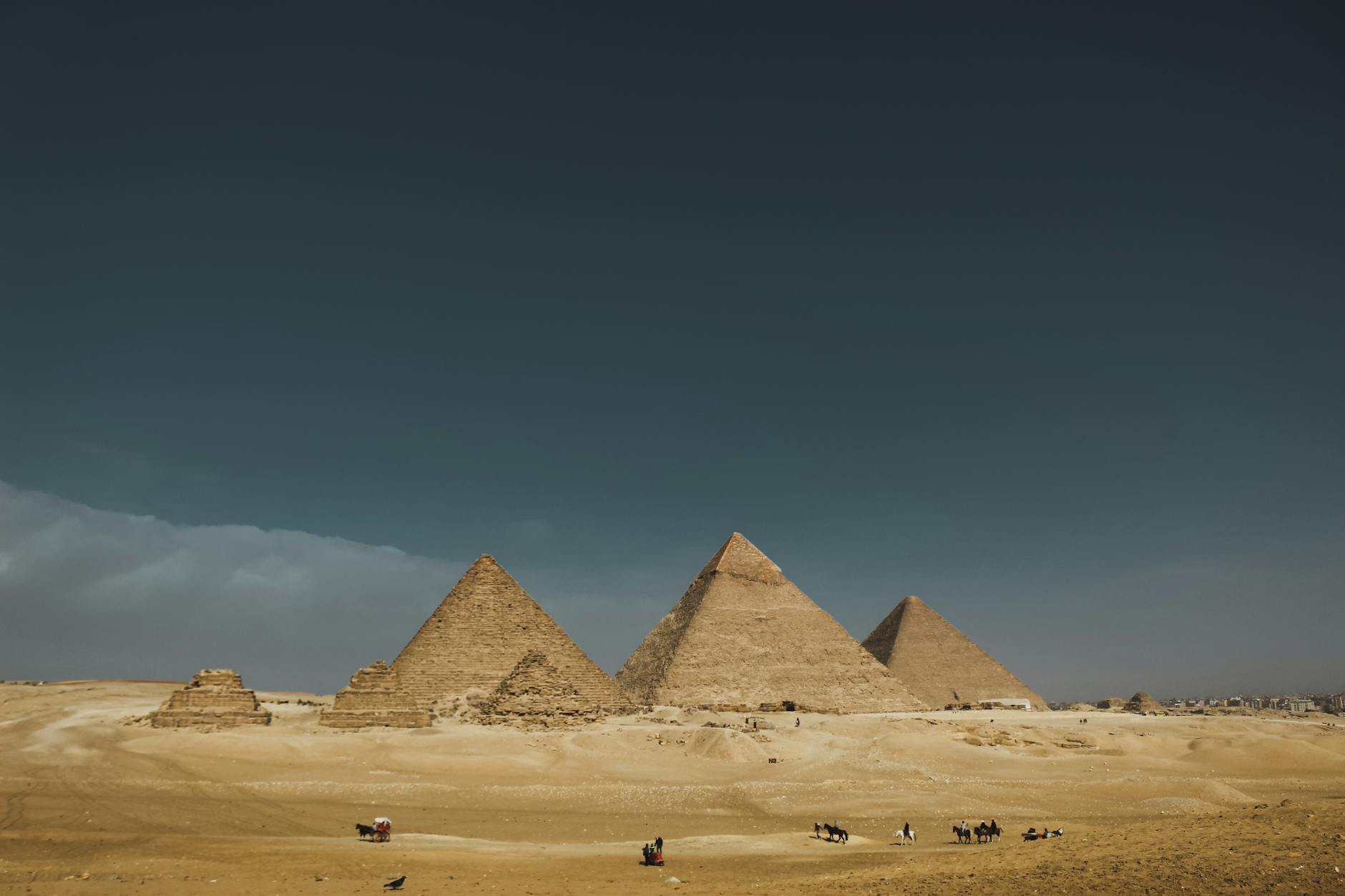
Chapters CXLIV and CXLVII deal with the Seven Great Halls (Arit) of the Kingdom of Osiris.
Chapters CXLIV and CXLVII

How this tradition expresses it

The afterlife (Tuat) consists of various regions, gates, and halls, such as the Seven Great Halls of the Kingdom of Osiris.

Why this supports “Multiple Levels

The Egyptian Book of the Dead's Chapters CXLIV-CXLVII describe seven distinct halls the deceased must pass through, each with its own keepers and tests. This is a textbook Multiple Levels structure for the Egyptian afterlife.

Scholarly note

Direct reference to the Seven Great Halls (Arit) of Osiris's kingdom - explicit multi-level afterlife structure.

Explicit Teachinghigh confidenceAudit: Strong· 92%
Data provenance
Auditor
claude-opus-4-6-1m
Audit confidence
92%
Audited
4/10/2026
Enter the abode of thy father, to the abode of Geb, 139c. that he may give to thee that which is on the brow of Horu
Utterance 139b

How this tradition expresses it

The afterlife involves various realms, including the sky, the abode of Geb, and the presence of the gods.

Why this supports “Multiple Levels

The Pyramid Texts reference numerous specific divine abodes (of Geb, Re, Atum, Osiris). The Egyptian afterlife is intrinsically multi-leveled, with the dead king visiting different domains of different gods. This individual abode-reference fits within the broader Multiple Levels structure.

Scholarly note

Mentions 'abode of Geb' as a destination among other abodes referenced elsewhere in Pyramid Texts. Implies the existence of multiple specific divine abodes.

Explicit Teachinghigh confidenceAudit: OK· 78%
Data provenance
Auditor
claude-opus-4-6-1m
Audit confidence
78%
Audited
4/10/2026
Thou openest thy place in heaven, among the stars of heaven;
Utterance 245, 251a

How this tradition expresses it

The afterlife involves various realms including the stars, the horizon, and the presence of the gods.

Why this supports “Multiple Levels

Egyptian celestial eschatology distinguishes the imperishable circumpolar stars (where the dead king becomes one), the realm of Re, the Field of Reeds, and the Duat (underworld). Taking a 'place among the stars' is one of several afterlife destinies, fitting Multiple Levels.

Scholarly note

The deceased takes a 'place in heaven among the stars' - implies the celestial hierarchy of the imperishable stars among other afterlife domains.

Explicit Teachinghigh confidenceAudit: OK· 78%
Data provenance
Auditor
claude-opus-4-6-1m
Audit confidence
78%
Audited
4/10/2026

Aztec/Mesoamerican

African/Egyptian/Mesoamerican

Full tradition

Shintoism

East Asian

Full tradition
So he, drawing the ten-grasp sabre that was augustly girded on him, fled forward brandishing it in his back hand; and as they still pursued, he took, on reaching the base of the Even Pass of Hades, three peaches that were growing at its lase, and waited and smote [his pursuers therewith], so that they all fled back.
Section IX

How this tradition expresses it

The Land of Hades is a distinct realm separated from the living world by a physical barrier, such as a pass or a rock.

Why this supports “Multiple Levels

The Kojiki's narrative of Izanagi's descent to Yomotsu-kuni and his flight back through the Even Pass of Hades (Yomotsu Hirasaka) directly attests to a distinct underworld realm separate from the manifest world and High Heaven, supporting classical Shinto's tripartite cosmological structure (Multiple Levels).

Nuance

The text identifies specific geographical markers like the 'Even Pass of Hades' and the 'Ifuya-Pass'.

The auditor flagged this claim as ambiguous or weakly matching. See the scholarly note below for context.

Scholarly note

LLM council synthesis (round 2)

Direct Implicationhigh confidenceAudit: Contested· 95%
Data provenance
Auditor
llm_council_v2
Audit confidence
95%
Audited
4/11/2026

Mandaeism

Iranian

Full tradition
they will to ascend and look at the great place of light and the luminous abode, to which our eyes look up.
chunk 21/45

How this tradition expresses it

The afterlife consists of a 'great place of light' or 'luminous abode' for the righteous, contrasted with a 'great darkness' for those who did not follow the path.

Why this supports “Multiple Levels

This quote describes the final destination ('place of light and luminous abode') that righteous souls reach after ascending through the purgatorial journey. It evidences the existence of a luminous final realm as the endpoint of the multi-stage afterlife structure, though it does not explicitly detail the intermediate mathara (guardhouses) themselves.

The auditor flagged this claim as ambiguous or weakly matching. See the scholarly note below for context.

Scholarly note

The quote describes the destination (World of Light) that completes the purgatorial ascent, but the per-quote rationale correctly notes it does not evidence intermediate levels. This claim should either be reclassified to evidence the final station of a multi-level system, OR the rationale should explicitly state it evidences only the endpoint, not the intermediate structure.

Explicit Teachinghigh confidenceAudit: Contested· 80%
Data provenance
Auditor
comprehensive_cell_audit_v1
Audit confidence
80%
Audited
4/11/2026
we dwell in a place where there is neither food nor evil smell. Its fragrance is wonderful, and the splendor of my brothers is lovely on me
258, 36-38

How this tradition expresses it

The ultimate destination for the righteous is the 'House of Life', a realm of light and fragrance.

Why this supports “Multiple Levels

This quote describes conditions in the final luminous realm (World of Light)—the destination of the righteous after passage through intermediate levels. It evidences the characteristics of the final station in the multi-level purgatorial ascent structure, but does not directly describe the intermediate mathara or the passage process itself.

Nuance

The destination is characterized by the absence of evil and the presence of divine splendor.

The auditor flagged this claim as ambiguous or weakly matching. See the scholarly note below for context.

Scholarly note

Retain label but rewrite rationale: This quote describes conditions in the final luminous realm (World of Light). It does NOT directly evidence the intermediate mathara (guardhouses) that constitute the multi-level structure. It is supporting evidence for the existence of a final destination within a multi-stage system, but requires Claim 4 to complete the picture of intermediate levels.

Explicit Teachinghigh confidenceAudit: Contested· 80%
Data provenance
Auditor
comprehensive_cell_audit_v1
Audit confidence
80%
Audited
4/11/2026
The souls of true and believing men will ascend and look at the great place of light.
Section 315

How this tradition expresses it

The afterlife consists of various realms, including the house of Abathur, the place of light, and the lower Seol or hellish states.

Why this supports “Multiple Levels

This quote describes the final destination ('place of light') toward which righteous souls ascend after undergoing the purgatorial journey. Like Claims 1 and 2, it evidences the luminous endpoint of a multi-level afterlife structure, but does not directly describe the intermediate toll-houses or trials.

The auditor flagged this claim as ambiguous or weakly matching. See the scholarly note below for context.

Scholarly note

Same issue as Claim 1: describes the destination within a multi-level ascent system. Should be reclassified or rationale rewritten to clarify it evidences the endpoint of the purgatorial journey.

Explicit Teachinghigh confidenceAudit: Contested· 80%
Data provenance
Auditor
comprehensive_cell_audit_v1
Audit confidence
80%
Audited
4/11/2026

Zoroastrianism

Iranian

Full tradition
Such a one shall surely be an inhabitant in the mansion of the Druj.
Vendidad 124, 18

How this tradition expresses it

The afterlife contains different realms or dwellings, such as the 'mansion of the Druj', for those who do not submit to atonement.

Why this supports “Multiple Levels

References the 'mansion of the Druj' (House of Lies) as a destination for the wicked. While this reflects binary judgment, it is part of Zoroastrianism's multi-level afterlife structure where initial judgment (heaven vs. hell) determines the starting point, with further progression through celestial hierarchies for the righteous.

The auditor flagged this claim as ambiguous or weakly matching. See the scholarly note below for context.

Scholarly note

While the quote references the binary destination (House of Lies), this is part of the judgment mechanism within the larger multi-level structure. The claim should be reclassified to reflect that binary judgment is a component of, not an alternative to, the multi-level system.

Explicit Teachinghigh confidenceAudit: Contested· 80%
Data provenance
Auditor
comprehensive_cell_audit_v1
Audit confidence
80%
Audited
4/11/2026
she makes the soul of the righteous one go up above the Hara- berezaiti;°°* above the Chinwad bridge she places it in the presence of the heavenly gods themselv
Vendidad 155, II. 30

How this tradition expresses it

The afterlife involves a transitionary bridge (Chinwad) leading to different realms: the presence of heavenly gods or a descent into hell.

Why this supports “Multiple Levels

Zoroastrian eschatology stages the soul's journey: above the Hara-berezaiti (sacred mountain), across the Chinwad bridge (judgment), and into the presence of Ahura Mazda. Each is a distinct level in a structured ascent.

Nuance

The destination depends on whether the soul is righteous or wicked.

Scholarly note

Explicit ascent above Hara-berezaiti and Chinwad bridge to the divine presence - multiple distinct realms in sequence.

Explicit Teachinghigh confidenceAudit: Strong· 92%
Data provenance
Auditor
claude-opus-4-6-1m
Audit confidence
92%
Audited
4/10/2026
is place is the star track; and those are the souls (7) who, in the world, offered no prayers, and chanted no Gathas, and contracted no next-of-kin marriage
Chapter 7, Verse 6-8

How this tradition expresses it

The afterlife consists of various realms including the star track, the moon track, Hamistagan (a stationary/purgatory state), heaven, and hell.

Why this supports “Multiple Levels

The Arda Viraf Namah describes the star track as one of three lower paradises (after star, moon, and sun stations). The mention of a specific level by name presupposes the multi-level structure.

Scholarly note

Mentions 'the star track' as a destination for souls of those who failed to perform certain rites. Implies levels (those who don't qualify for higher).

Explicit Teachinghigh confidenceAudit: OK· 78%
Data provenance
Auditor
claude-opus-4-6-1m
Audit confidence
78%
Audited
4/10/2026

Siberian Shamanic

Siberian Shamanic

Full tradition
here are several places of abode for the dead, where life similar to the earthly is led by the inhabitants, who are often called either ' Upper People ' or ' Lower People ', th
Section IV: The Chukchee

How this tradition expresses it

The afterlife consists of various realms, including an underground world (peninelau) and an upper world, with different inhabitants and conditions.

Why this supports “Multiple Levels

Siberian shamanic cosmology generally distinguishes upper, middle, and lower worlds, each with sub-realms. This quote directly affirms multiple distinct dwelling-places for the dead.

Nuance

The description of the future life is often based on the individual's life on earth.

Scholarly note

Direct: 'several places of abode for the dead' - explicit multi-level statement.

Explicit Teachinghigh confidenceAudit: Strong· 88%
Data provenance
Auditor
claude-opus-4-6-1m
Audit confidence
88%
Audited
4/10/2026
This future life is arranged in much the same way as the present. They have summer during our winter and vice versa
Section X. The Tungus

How this tradition expresses it

The afterlife is described as a realm that mirrors the structure and conditions of earthly life.

Why this supports “Multiple Levels

This quote establishes that the Siberian shamanic afterlife includes distinct upper and lower worlds with organized, quasi-natural conditions (inverted seasonal cycles). The reference to separate realms operating under parallel but reversed natural laws directly supports the Multiple Levels model of hierarchically differentiated afterlife realms.

Nuance

The text notes that the arrangement of the future life is similar to the present.

The auditor flagged this claim as ambiguous or weakly matching. See the scholarly note below for context.

Scholarly note

The per-quote rationale explicitly describes upper and lower worlds as distinct organized realms, which is the defining feature of Multiple Levels. The quote's reference to inverted seasons between realms supports hierarchical differentiation, not a generic spirit-world model.

Explicit Teachinghigh confidenceAudit: Contested· 80%
Data provenance
Auditor
comprehensive_cell_audit_v1
Audit confidence
80%
Audited
4/11/2026
describes the difficulty of surmounting the passes and, in doing so, breathes heavily. On the top he finds the Ijones of many lams who have fallen here and died through failure of power.
Section: The shaman in action

How this tradition expresses it

The afterlife involves a journey through various difficult landscapes and barriers, including mountains, steppes, and a sea, leading to the dwelling-place of the god Erlik.

Why this supports “Multiple Levels

The shaman's journey through difficult passes to a death-realm landscape ('bones of many lams who have fallen') depicts the afterlife as a spatially structured, hierarchical realm requiring traversal and effort. This is consistent with Multiple Levels cosmology wherein the dead reside in distinct layered realms accessible through shamanic navigation.

Nuance

The journey is characterized by extreme difficulty, requiring the united force of will to pass barriers and specific moral standing to cross certain bridges.

The auditor flagged this claim as ambiguous or weakly matching. See the scholarly note below for context.

Scholarly note

The quote describes a shaman's journey through difficult passes with a death-realm landscape ('bones of many lams who have fallen'). While this is descriptive rather than definitional, it does address the structure/nature of afterlife realms as traversable, layered spaces, supporting Multiple Levels.

Explicit Teachinghigh confidenceAudit: Contested· 80%
Data provenance
Auditor
comprehensive_cell_audit_v1
Audit confidence
80%
Audited
4/11/2026

Theosophy

Western Esoteric

Full tradition
The _Devachanee_ lives its intermediate cycle between two incarnations surrounded by everything it had aspired to in vain, and in the companionship of everyone it loved on ear
theosophy_512

How this tradition expresses it

Devachan is an intermediate state of bliss and 'absolute oblivion' of earthly sorrows, serving as a period between incarnations.

Why this supports “Multiple Levels

Devachan represents the higher of multiple sequential realms in Theosophical afterlife cosmology. This quote exemplifies the Multiple Levels structure, where devachan is the blissful intermediate realm following kama-loka in the post-mortem journey between incarnations.

Nuance

It is described as a 'state' or 'illusion of our consciousness' rather than a permanent destination.

The auditor flagged this claim as ambiguous or weakly matching. See the scholarly note below for context.

Scholarly note

Devachan is one of multiple sequential realms in Theosophy's afterlife structure, not a single transitional state. The scholarly source explicitly names both kama-loka and devachan, indicating a multi-level system. Claim should be reclassified to reflect the broader structure.

Explicit Teachinghigh confidenceAudit: Contested· 80%
Data provenance
Auditor
comprehensive_cell_audit_v1
Audit confidence
80%
Audited
4/11/2026

NDE Research Corroboration

Modern Near-Death Experience research provides empirical phenomena relevant to the “Multiple Levels” position. Each feature below is supported by peer-reviewed research and is described with the rationale for why it links to this position.

Otherworldly Realm

38% of NDErs report this(~38% per Greyson)

moderate

The experiencer enters a non-physical realm with its own landscape, often described as more vivid, beautiful, or 'realer than real.'

Why this corroborates “Multiple Levels

NDE descriptions of otherworldly realms vary widely (gardens, cities, libraries, fields), suggesting that the afterlife may have multiple distinct realms rather than a single uniform space. This corroborates the multiple-levels canonical position over the single-spirit-world or binary heaven-hell positions.

Research citations (1)
  • Long 2014: Diverse realm descriptions in NDE accounts

Spiritual Beings (other than light beings)

22% of NDErs report this(~22% per Greyson)

moderate

Encounters with angelic, divine, or other spiritual beings beyond the central being of light.

Why this corroborates “Multiple Levels

The presence of distinct classes of spiritual beings (angels, guides, deceased relatives, light beings) in NDE accounts suggests a layered spiritual cosmology - multiple beings inhabiting different realms or functions. This corroborates the multiple-levels canonical position.

Research citations (1)
  • Long 2014: Hierarchies of beings in NDE accounts

Heavenly Music or Sounds

15% of NDErs report this(~15% in Western NDE studies)

weak

Hearing music, tones, or sounds during the NDE that have no physical source and are described as transcendently beautiful.

Why this corroborates “Multiple Levels

Reports of celestial music or transcendent sounds during NDEs parallel cross-tradition descriptions of higher heavenly realms (the Music of the Spheres, devic music, angelic choirs). This provides phenomenological support for layered afterlife structures with realms characterized by specific sensory features.

Research citations (1)
  • Ring 1980: Music as feature in some NDEs

Other answers to this question

NoeticMap Guide

Research Dashboard

How can I help?

Ask about NDEs, research, or this page

Responses may not always be accurate