Q3 · Afterlife Structure

Single Heaven and Hell

2of 32 traditions hold this positionInsufficient data1 cultural clusters

What does “Heaven and hell (binary)” mean?

Two destinations: reward or punishment, with no intermediate states

The strict Abrahamic framework: heaven for the righteous, hell for the wicked, and nothing else. No purgatory, no levels, no intermediate state - the soul goes one of two places forever. This is the classic Protestant Christian and Sunni Islamic view.

Examples across traditions

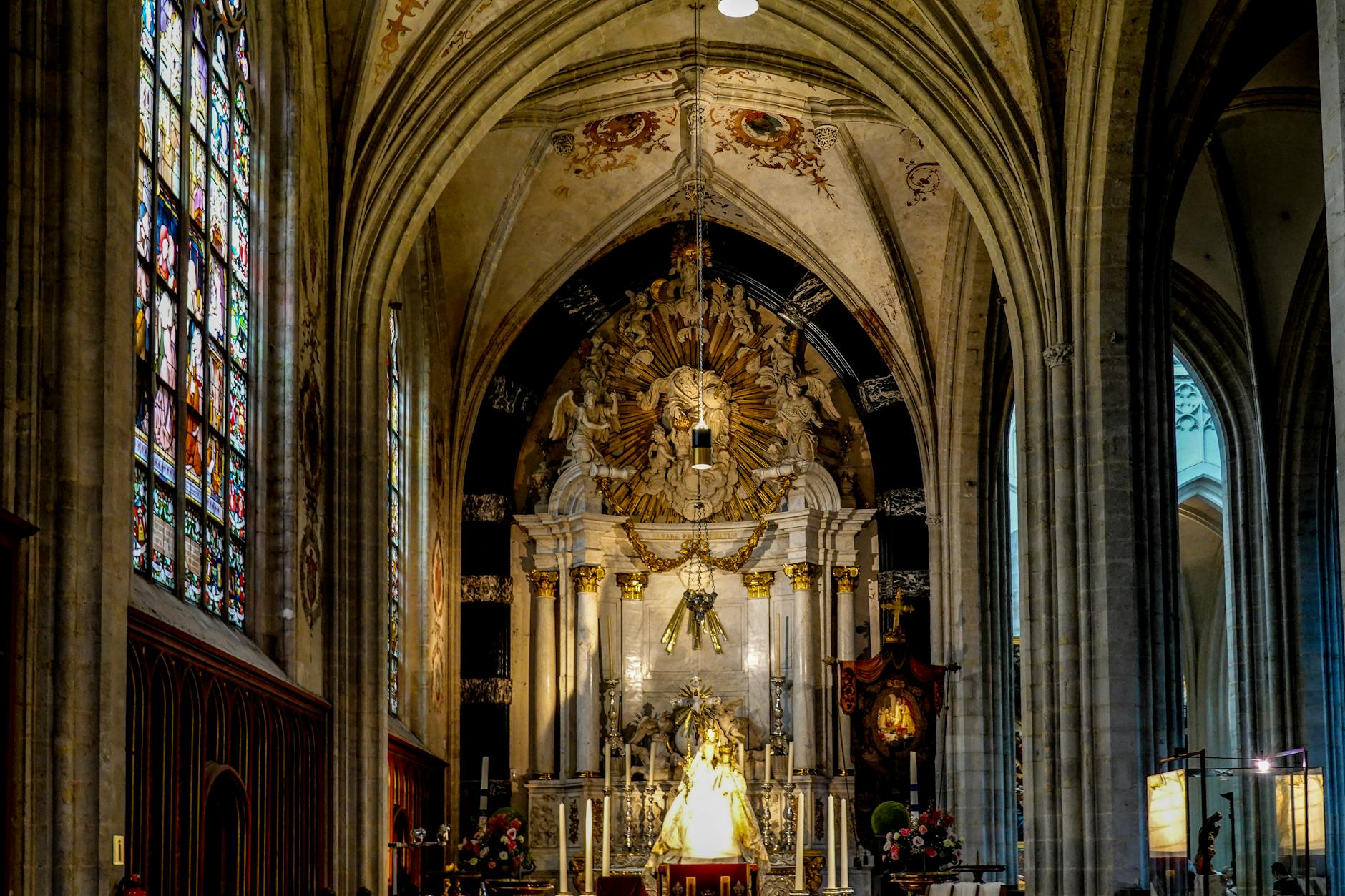
  • Protestant Christianity: heaven and hell binary
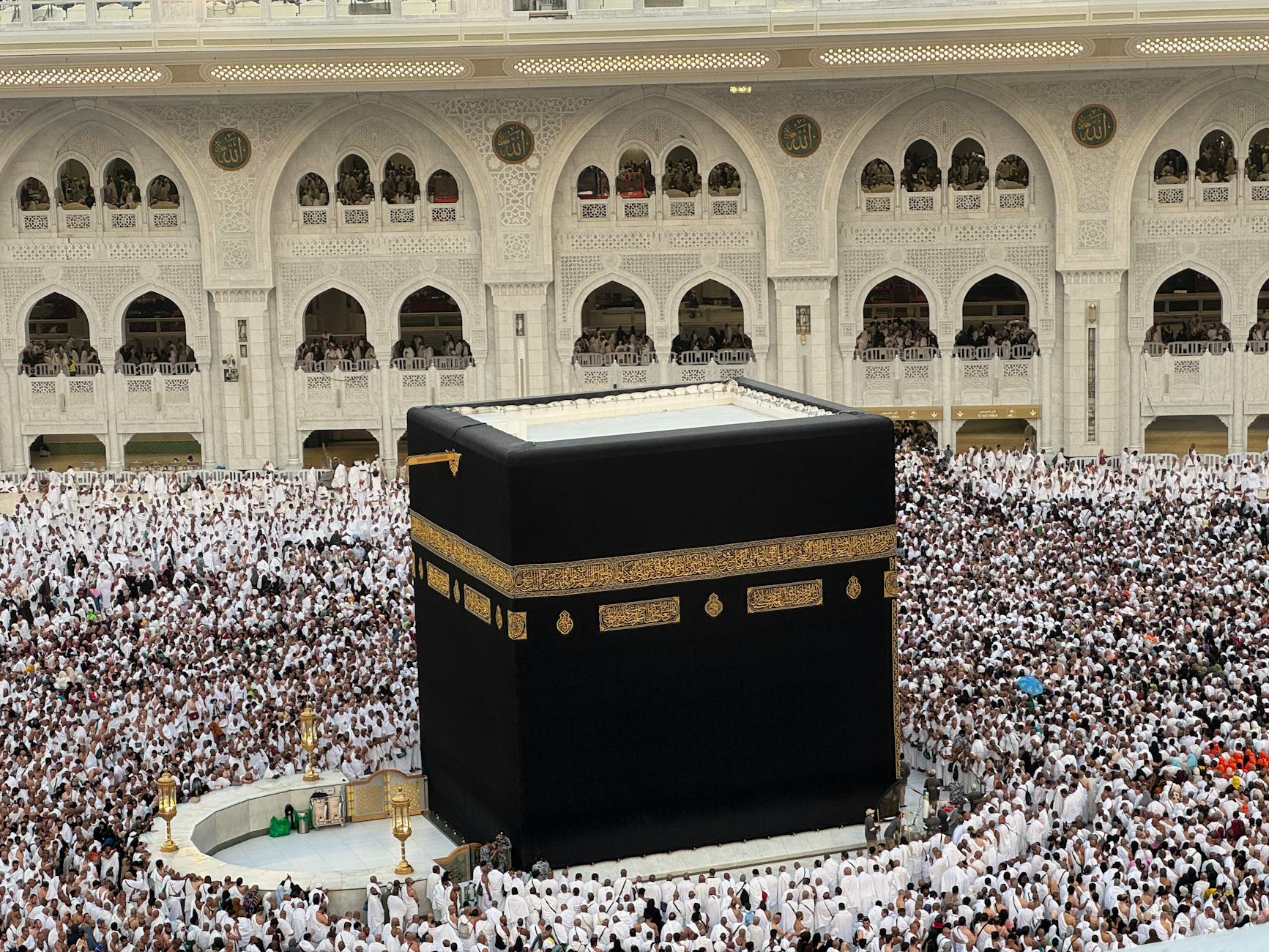
  • Sunni Islam: Jannah and Jahannam

How this differs from neighboring positions

  • vs. Multiple Levels: Direct opposite - binary vs multi-tiered
  • vs. Transitional Realm: Binary has no intermediate state; transitional requires one

Traditions articulating this position

Christianity

Abrahamic

Full tradition
nd he shall separate them one from another, as a shepherd divideth his sheep from the goats: 40:025:033 And he shall set the sheep on his right hand, but the goats on the lef
Matthew 25:32-33

How this tradition expresses it

The afterlife involves a separation of people into different states, such as the kingdom of heaven or outer darkness/everlasting punishment.

Why this supports “Single Heaven and Hell

Matthew 25:32–33 presents the definitive New Testament image of final judgment as a strict binary separation—sheep to eternal life, goats to eternal punishment—with no intermediate states, levels, or gradations mentioned. This is the primary biblical proof-text for the Single Heaven and Hell structure across virtually all Christian denominations.

The auditor flagged this claim as ambiguous or weakly matching. See the scholarly note below for context.

Scholarly note

LLM council synthesis (round 2)

Explicit Teachinghigh confidenceAudit: Contested· 95%
Data provenance
Auditor
llm_council_v2
Audit confidence
95%
Audited
4/11/2026

Islam

Abrahamic

Full tradition
The receptacle of these shall be hell, they shall find no refuge from it. But they who believe, and do good works, we will surely lead them into gardens, through which rivers flow, they shall continue therein forever
Quran 4:119-120

How this tradition expresses it

The afterlife consists of different states, such as paradise (gardens) and hell (fire), based on one's faith and deeds.

Why this supports “Single Heaven and Hell

This verse contrasts only two final destinations—hell for disbelief and gardens for belief and good works—without mentioning graded ranks, barzakh, or any third realm. It reflects the Quran's common binary rhetorical framing of the afterlife at the textual surface level.

Nuance

The destination is determined by belief and righteousness.

The auditor flagged this claim as ambiguous or weakly matching. See the scholarly note below for context.

Scholarly note

LLM council synthesis (round 2)

Explicit Teachinghigh confidenceAudit: Contested· 95%
Data provenance
Auditor
llm_council_v2
Audit confidence
95%
Audited
4/11/2026
hast appointed us. God will say, Hell fire shall be your habitation, therein shall ye remain forever; unless as GOD shall please to mitigate your pai
Section 128

How this tradition expresses it

The afterlife is characterized by a dwelling of peace for the righteous and hellfire for the wicked.

Why this supports “Single Heaven and Hell

The verse presents a straightforward dual structure: a 'dwelling of peace' for the righteous and 'hell fire' for the condemned. While the clause 'unless God shall please to mitigate' hints at variability, the primary framing is binary, fitting Single Heaven and Hell at the textual level.

Nuance

The text mentions a possible mitigation of pain for some in hell.

The auditor flagged this claim as ambiguous or weakly matching. See the scholarly note below for context.

Scholarly note

LLM council synthesis (round 2)

Explicit Teachinghigh confidenceAudit: Contested· 95%
Data provenance
Auditor
llm_council_v2
Audit confidence
95%
Audited
4/11/2026
GOD promiseth unto the true believers, both men and women, gardens through which rivers flow, wherein they shall remain forever
Section 71

How this tradition expresses it

The afterlife consists of distinct realms such as gardens of perpetual abode for the faithful and hell for the unbelievers.

Why this supports “Single Heaven and Hell

This verse promises believers 'gardens through which rivers flow' as a unitary reward without internal differentiation. As a standalone textual excerpt, it reflects the binary saved/damned framework rather than the fuller multi-level theological elaboration.

The auditor flagged this claim as ambiguous or weakly matching. See the scholarly note below for context.

Scholarly note

LLM council synthesis (round 2)

Explicit Teachinghigh confidenceAudit: Contested· 95%
Data provenance
Auditor
llm_council_v2
Audit confidence
95%
Audited
4/11/2026

NDE Research Corroboration

Modern Near-Death Experience research provides empirical phenomena relevant to the “Single Heaven and Hell” position. Each feature below is supported by peer-reviewed research and is described with the rationale for why it links to this position.

Hellish or Distressing Elements

9% of NDErs report this(~9-23% per Greyson & Bush 1992; likely under-reported)

moderate

Negative or frightening experiences during an NDE, including darkness, fear, judgment, or hellish realms.

Why this corroborates “Single Heaven and Hell

Distressing NDEs that include hellish landscapes, darkness, isolation, or demonic encounters provide phenomenological evidence for the binary heaven-hell canonical position. While positive NDEs are far more common, the existence of hellish reports establishes the empirical reality of negative post-death possibilities.

Research citations (2)
  • Greyson & Bush 1992: Distressing NDEs documented
  • Bush 2009: Hellish elements in Western NDEs

Other answers to this question

NoeticMap Guide

Research Dashboard

How can I help?

Ask about NDEs, research, or this page

Responses may not always be accurate