Q3 · Afterlife Structure

Return to Source

2of 32 traditions hold this positionPreliminary2 cultural clusters

What does “Return to source” mean?

No separate afterlife realm; consciousness returns to the divine/cosmic origin

Vedantic, Daoist, and mystical traditions teach that there is no separate afterlife realm - consciousness simply returns to its divine source, dissolving into the original unity from which it came. There is no 'where' to go; there is only the cessation of the appearance of separation.

Examples across traditions

  • Hinduism (Advaita): atman merging into Brahman
  • Mandaeism: return to the World of Light
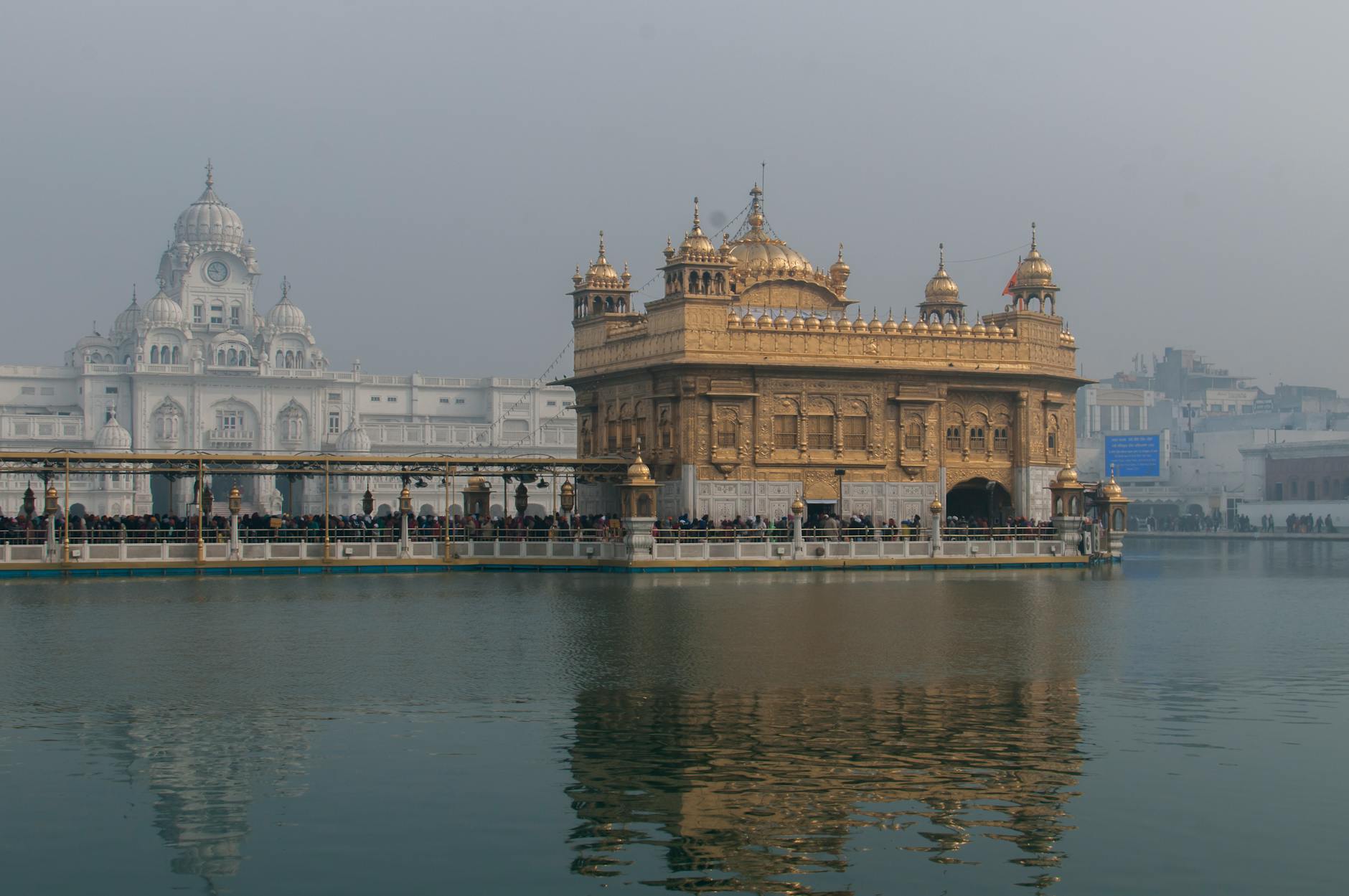
  • Sikhism: absorption in the Divine Light

How this differs from neighboring positions

  • vs. Multiple Levels: Return has no levels; levels has many
  • vs. Spirit World: Return dissolves; spirit world preserves

Traditions articulating this position

Sikhism

South Asian

Full tradition
Through the Preceptor's Word alone comes union. (2) Those that have sought possessions*® in the worid, have at jast been effaced
Raga Wadhans

How this tradition expresses it

The ultimate structure of the afterlife involves the soul's absorption into the Divine or suffering due to attachment to duality.

Why this supports “Return to Source

Sikh soteriology centers on union (sahaj/sahaja) with the divine through the Guru's word, with the soul returning to its source in Akal Purakh. The contrast with worldly possession-seekers reinforces the spiritual return motif.

Scholarly note

Sikh teaching about union through the Guru's word - the soul returning to its divine source. Defensible Return to Source fit.

Direct Implicationmedium confidenceAudit: OK· 78%
Data provenance
Auditor
claude-opus-4-6-1m
Audit confidence
78%
Audited
4/10/2026

Other answers to this question

NoeticMap Guide

Research Dashboard

How can I help?

Ask about NDEs, research, or this page

Responses may not always be accurate