
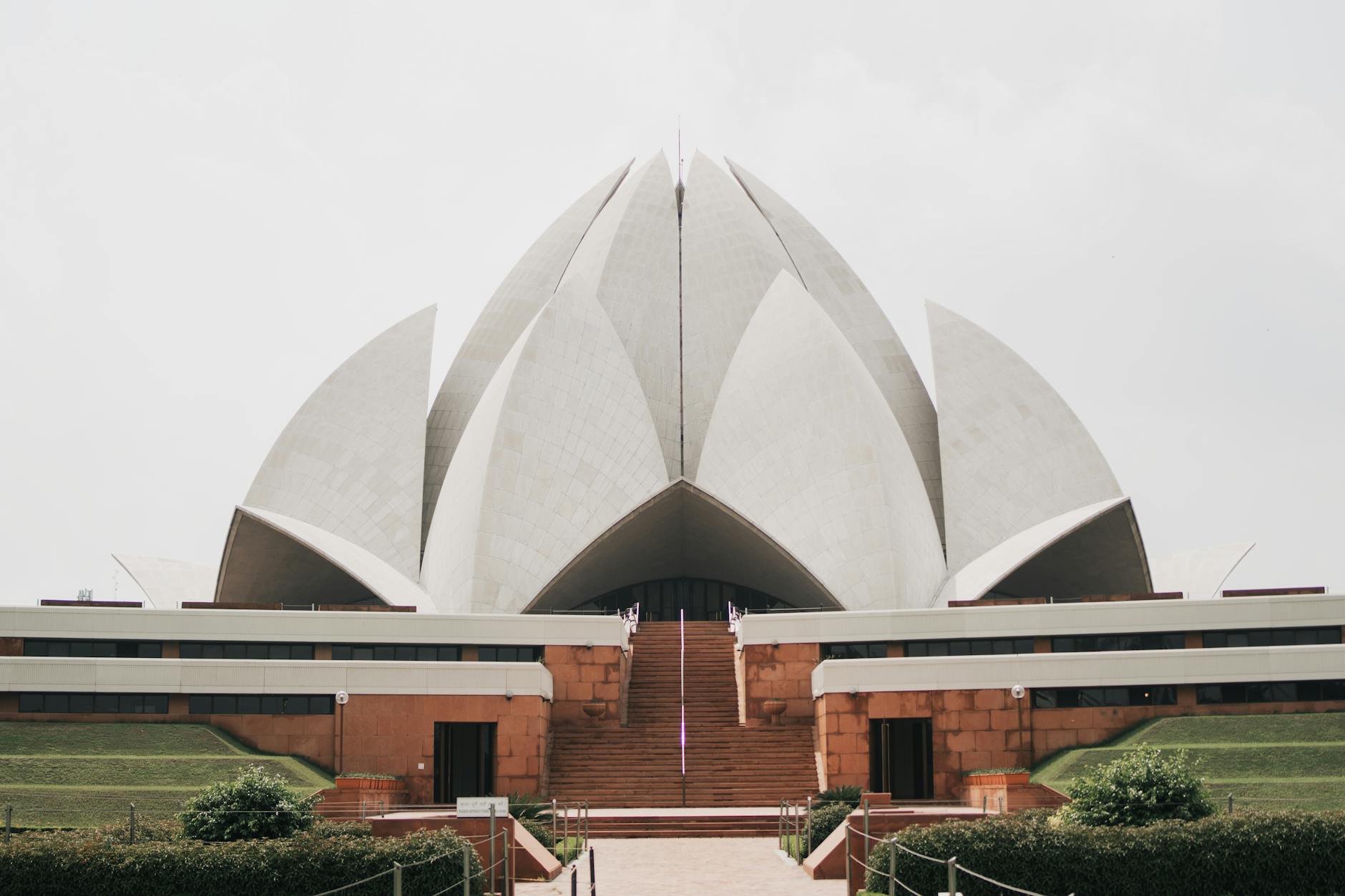
Baha'i
Abrahamic
Q3 · Afterlife Structure
What does “Spirit world” mean?
A single non-physical realm where all souls go, without strict division
Mandaean, Spiritist, and many indigenous traditions describe the afterlife as a single spirit world - non-physical, but not strictly divided into reward/punishment. All souls go there, where they continue existing in some form.
Examples across traditions
How this differs from neighboring positions
Abrahamic
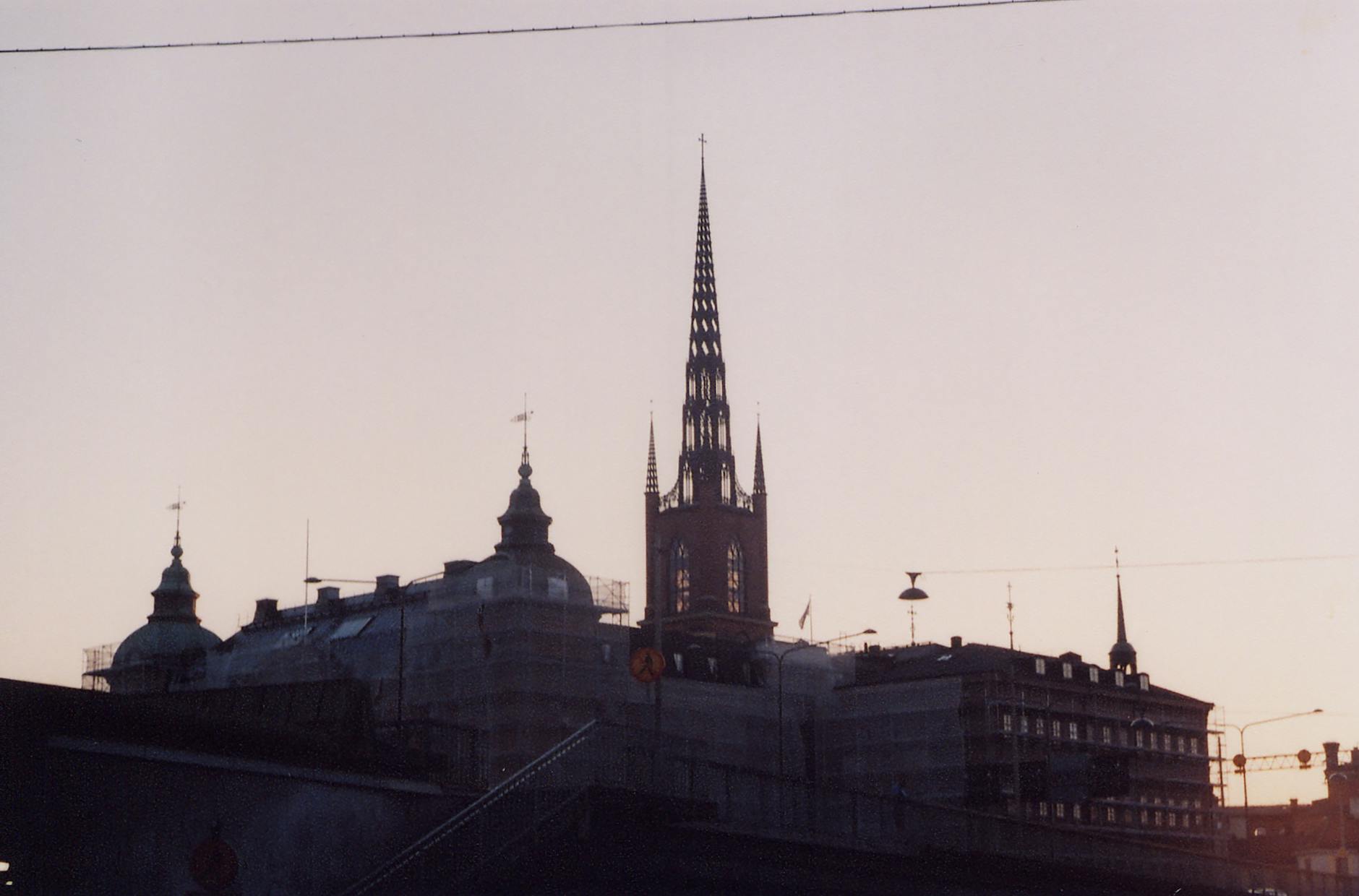
Abrahamic
in the spiritual world there is a complete sharing of affections and their thoughts, and in consequence a spirit is conveyed to his like as if of himself
How this tradition expresses it
The afterlife consists of a spiritual realm where individuals are drawn to and reside with those who share their own loves and character.
Why this supports “Spirit World”
Swedenborg's spiritual world has spirits drawn together by 'sharing of affections and thoughts' - a non-physical realm organized by affinity. This is Spirit World as distinct from multi-tiered heaven/hell.
Nuance
The structure is governed by the law of correspondence: spirits turn toward their own likes and inhabit societies based on shared affections.
Swedenborg describes spirits in the spiritual world being conveyed by their affinities. Describes the operating principle of the spirit world.
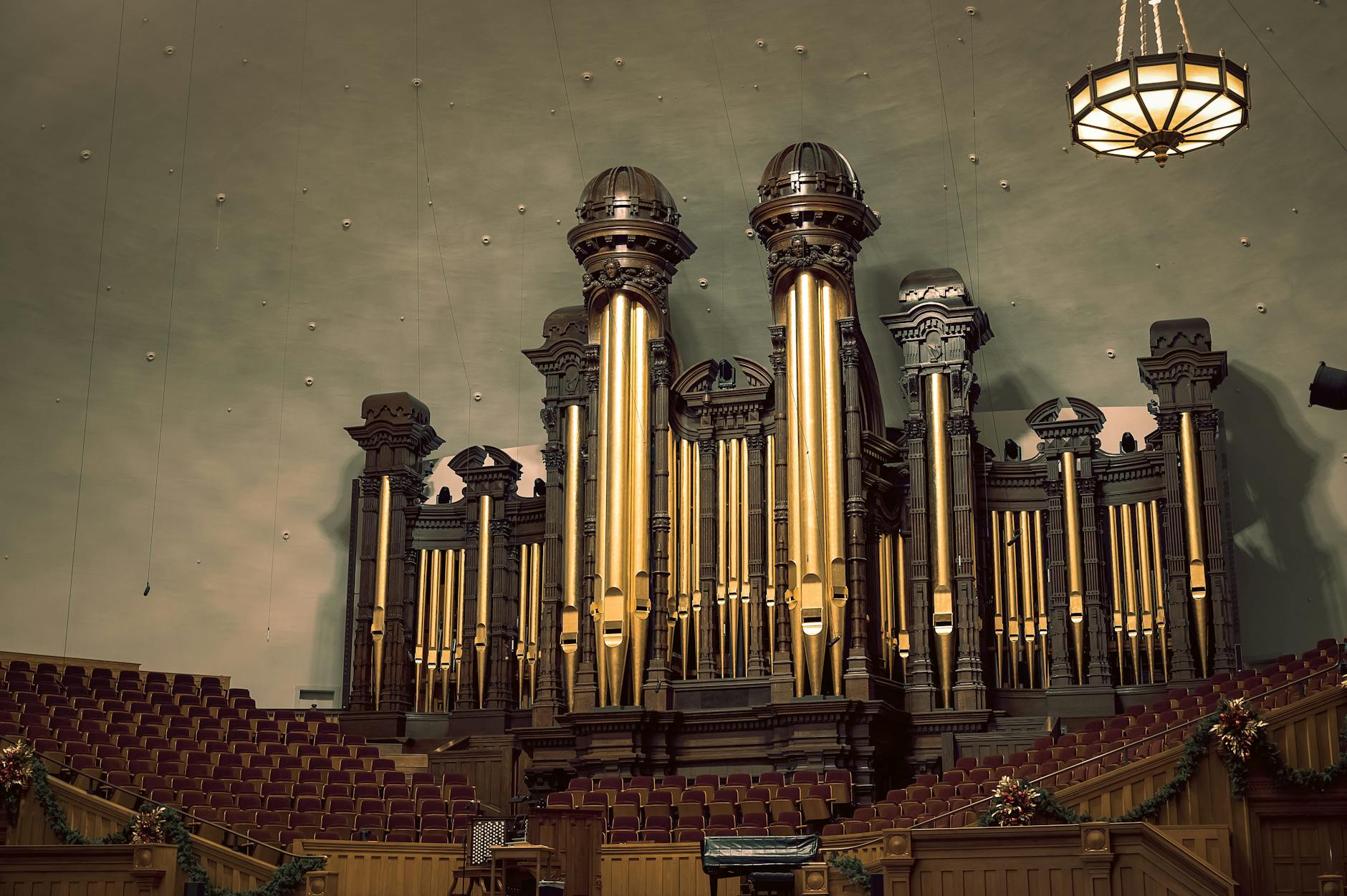
Abrahamic
The righteous dead of this day continue their labors in the world of spirits.
How this tradition expresses it
The afterlife involves a realm of spirits where the righteous and unrighteous are gathered.
Why this supports “Spirit World”
Mormon theology has a clear 'spirit world' (or 'world of spirits') concept - the intermediate state between death and resurrection, divided into paradise and prison, where the righteous preach and continue their labors. Direct fit for Spirit World.
Nuance
The text distinguishes between the righteous gathered in paradise and the wicked in darkness.
The auditor flagged this claim as ambiguous or weakly matching. See the scholarly note below for context.
This claim describes the intermediate spirit world (where righteous continue labors), not the final post-resurrection kingdoms. It should be reclassified as Spirit World, which is a distinct component of Mormon afterlife theology.
spirits of righteous are received in state of happi- ness, paradise; 40:13-14 spirits of wicked are cast into outer darkness.
How this tradition expresses it
The afterlife consists of different states of happiness or darkness based on the righteousness of the spirit.
Why this supports “Spirit World”
This Alma 40 reference describes only two intermediate states (paradise vs outer darkness), the spirit-world binary that precedes resurrection. The full multi-level Mormon afterlife is in D&C 76, not here.
The auditor flagged this claim as ambiguous or weakly matching. See the scholarly note below for context.
The claim's own rationale identifies it as describing the spirit-world binary (paradise vs outer darkness), not the three kingdoms of glory. It should be reclassified as Spirit World.
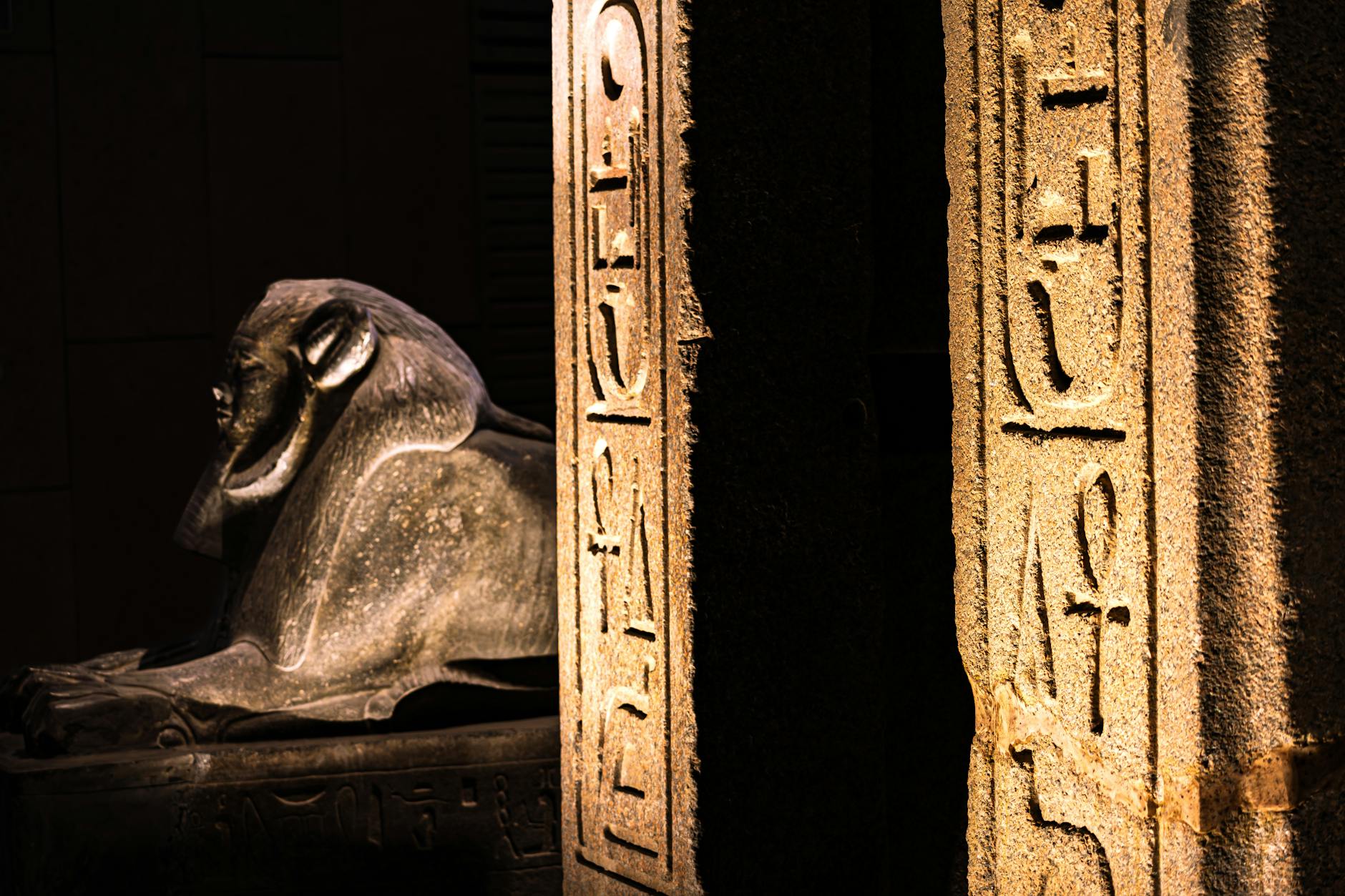
African/Egyptian/Mesoamerican
that he may ascend and purify himself in the Marsh of Reeds.
How this tradition expresses it
The afterlife involves a realm of purification and existence among the gods, such as the Marsh of Reeds.
Why this supports “Spirit World”
The Field of Reeds is the Egyptian spirit world realm where the deceased farms eternally. Spirit World is defensible (it is a non-physical realm where souls go), though the more specific Multiple Levels Egyptian system is also applicable.
'Ascend and purify himself in the Marsh of Reeds' - a destination realm in the spirit world, but more specifically the Field of Reeds rather than a generic spirit world.
N. rests at home, on the under (side) of the body of the sky, like a nfr.t-star, 2061c. at the meanderings of the Winding Watercourse
How this tradition expresses it
The afterlife is a celestial realm involving the sky, stars, and the company of the gods.
Why this supports “Spirit World”
The deceased becomes a star-being at the meanderings of the Winding Watercourse (the Milky Way). This is a star-soul becoming part of the celestial spirit world.
Deceased rests as a star-being on the 'under side of the body of the sky' - star-like dwelling in the Egyptian spirit cosmos.
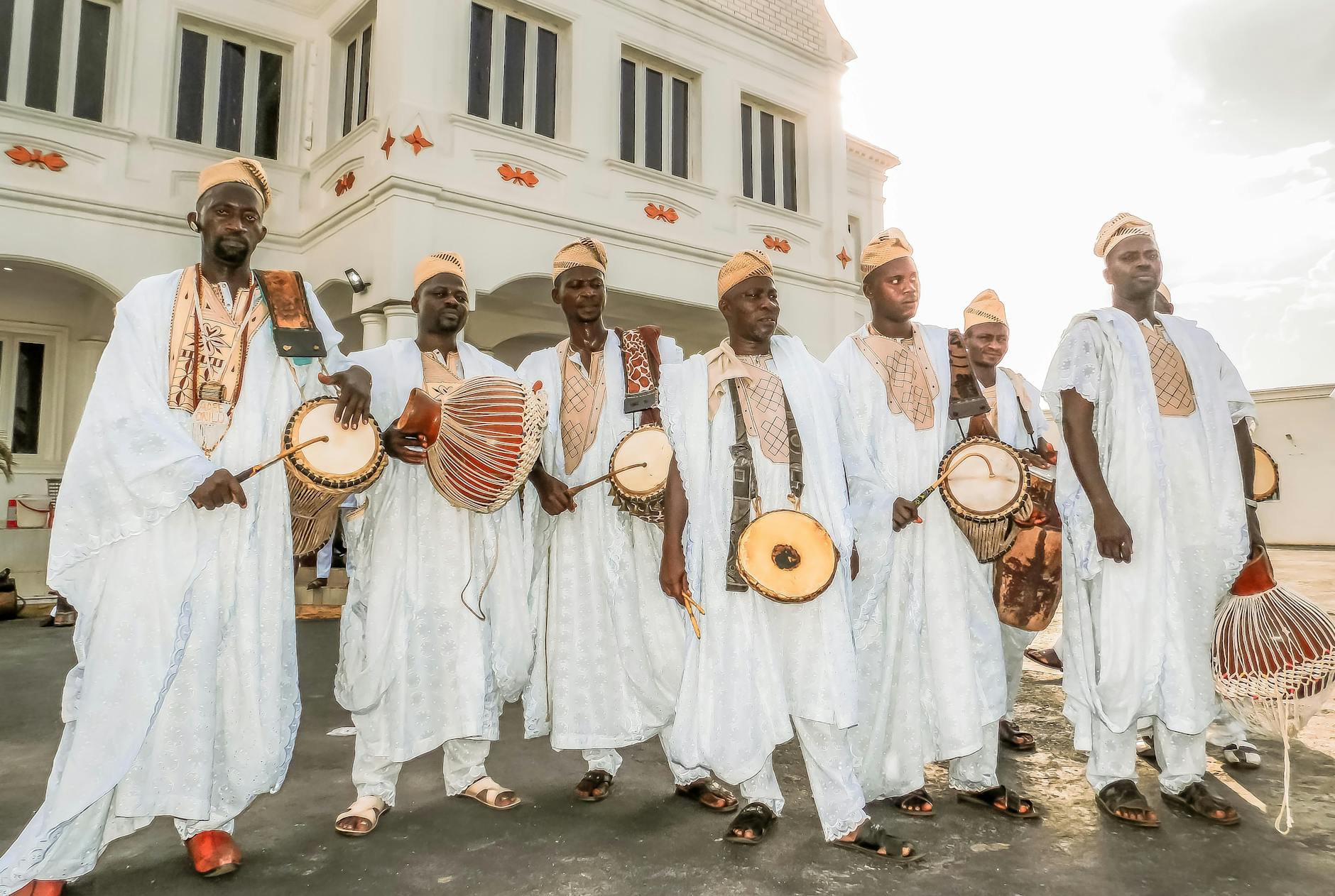
African/Egyptian/Mesoamerican
Then they walked on again, a long, long way; and at last they arrived at the land of dead people.
How this tradition expresses it
The afterlife is described as a specific realm or 'land of dead people' where individuals reside after death.
Why this supports “Spirit World”
Narrative evidence confirming the existence of a discrete, non-physical realm ('the land of dead people') as the destination for souls. Directly supports Spirit World; does not address internal stratification or multiple levels.
The auditor flagged this claim as ambiguous or weakly matching. See the scholarly note below for context.
Retain label but clarify: this claim correctly supports Spirit World (existence of a discrete spirit realm), not Multiple Levels. The narrative describes arrival at 'the land of dead people' as a singular destination.
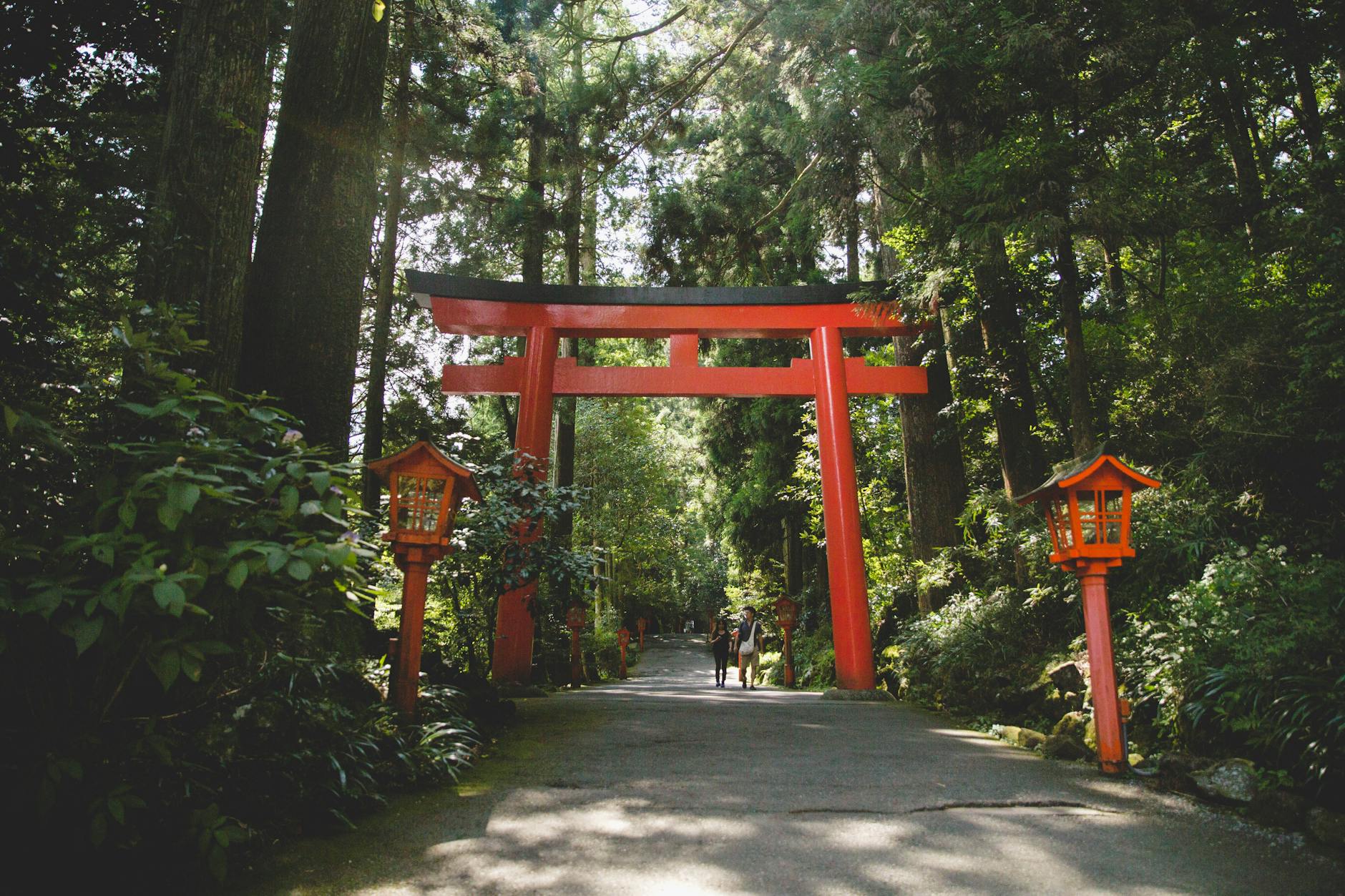
East Asian
Thereupon [the dead prince], turning into a white dotterel eight fathoms [long], and soaring up to Heaven, flew off towards the shore.
How this tradition expresses it
The afterlife involves a realm in the heavens to which the transformed spirit ascends.
Why this supports “Spirit World”
The deceased prince's transformation into a white dotterel and ascension to Heaven illustrates Shinto belief in post-mortem spirit transformation and departure to an otherworldly realm. While consistent with the broader multi-level cosmology, the emphasis on spirit continuation and transformation supports Spirit World as a legitimate alternative characterization of afterlife belief, distinct from the structural cosmological model.
The auditor flagged this claim as ambiguous or weakly matching. See the scholarly note below for context.
LLM council synthesis (round 2)

East Asian
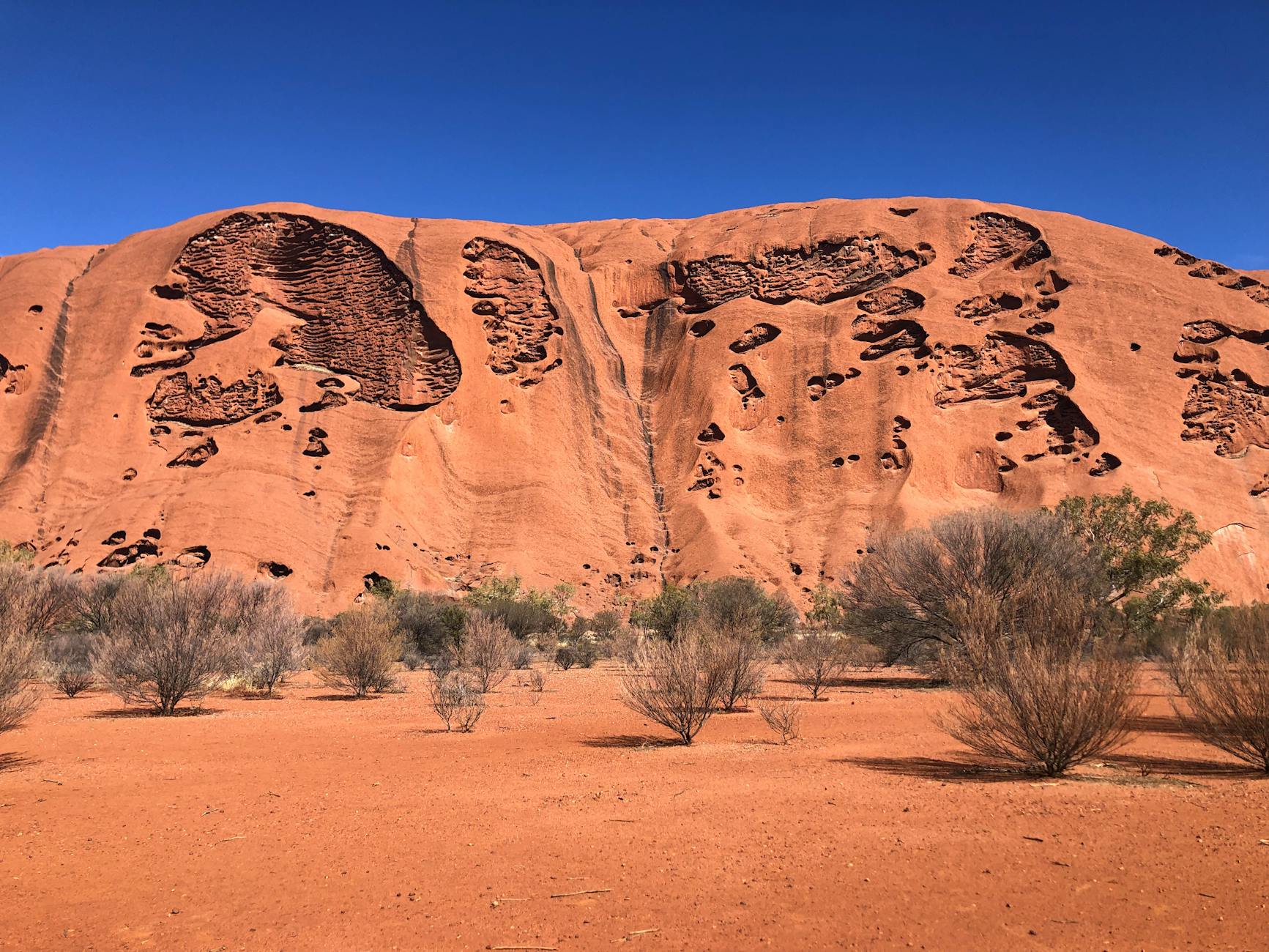
Indigenous Australian
The name of the cave, of which the natives have a superstitious dread, is Okalparra, and in it the Iruntarinia are supposed to live in perpetual sunshine and amongst streams of running water — a state of affairs which we may regard as the paradise of the Arunta native.
How this tradition expresses it
The 'paradise' of the Arunta is described as a realm of perpetual sunshine and running water where the Iruntarinia live.
Why this supports “Spirit World”
Aranda cosmology locates the Iruntarinia (ancestor/totemic spirits) in specific sacred caves like Okalparra. The dead enter this localized spirit-world dimension that overlaps with the physical landscape.
Nuance
The text describes this as a state of affairs regarded as paradise by the natives.
The Iruntarinia (spirit beings) live in the cave Okalparra - a localized spirit-world for the Aboriginal Australian dead.
l went into the ground, where the Churinga with their associated spirits ever after remained, so that at this place there is a large and important Okiianikilla
How this tradition expresses it
The afterlife or post-death state involves entering the earth or becoming part of the landscape (stones, trees, or local centers).
Why this supports “Spirit World”
In Arrernte cosmology, ancestral spirits are permanently bound to sacred sites (Okiianikilla) where churinga objects are kept. These localized spirit-world locations in the physical landscape represent the afterlife residence of the dead, accessible through rebirth into descendant lineages.
Nuance
The text links these transitions to specific geographic locations and totemic markers.
The auditor flagged this claim as ambiguous or weakly matching. See the scholarly note below for context.
The churinga sites represent permanent localized spirit-world residence (overlapping sacred landscape), not a temporary transitional state. The 'storage' language is potentially misleading; the spirits reside there perpetually and are accessed via rebirth cycles.
Modern Empirical
the spirit-communications of the present day are revealing to us the existence of an invisible world that surrounds us on all sides, that is incessantly in contact with us, and that takes part, unknown to us, in everything we do.
How this tradition expresses it
The afterlife is described as an invisible world that is in constant contact with the physical world.
Why this supports “Spirit World”
Spiritist cosmology holds that the spirit world is not a remote heaven but an invisible realm interpenetrating our world. Spirit communications evidence this proximate, non-physical Spirit World.
Spiritism's 'invisible world' that surrounds us - direct spirit-world doctrine.
Modern Near-Death Experience research provides empirical phenomena relevant to the “Spirit World” position. Each feature below is supported by peer-reviewed research and is described with the rationale for why it links to this position.
32% of NDErs report this(~32% per Greyson; Peak-in-Darien cases ~5%)
The experiencer is met by deceased relatives or friends, often those who had died before the NDE occurred.
Why this corroborates “Spirit World”
Encountering deceased relatives in a non-physical realm where they continue to exist directly corroborates the spirit world canonical position - that all souls dwell in a single non-physical realm where they remain identifiable as themselves.
38% of NDErs report this(~38% per Greyson)
The experiencer enters a non-physical realm with its own landscape, often described as more vivid, beautiful, or 'realer than real.'
Why this corroborates “Spirit World”
Some NDE realm descriptions are unified - a single non-physical place rather than a layered structure. This corroborates the spirit-world canonical position where all souls go to one realm without strict division.
Research Dashboard
How can I help?
Ask about NDEs, research, or this page