Q1 · Soul Nature

Composite Soul

15of 66 traditions hold this positionModerate7 cultural clusters

What does “Composite soul” mean?

The soul has multiple components (e.g., Egyptian ba/ka/akh, kabbalistic nefesh/ruach/neshamah)

Several ancient traditions describe the human being as having not one soul but several, each with a different role or substance. The Egyptian system has ba (personality), ka (vital force), akh (transfigured spirit), and others. Kabbalah teaches nefesh (animal soul), ruach (emotional/moral soul), and neshamah (intellectual/divine soul), with chayyah and yechidah as still-higher levels. Christianity sometimes distinguishes body, soul (psyche), and spirit (pneuma). Many indigenous traditions also have multi-component soul concepts.

Examples across traditions

  • Ancient Egyptian: ba, ka, akh, ren, sheut, ib
  • Kabbalah: nefesh, ruach, neshamah, chayyah, yechidah
  • Christianity: body, soul, spirit (1 Thess 5:23)
  • Siberian Shamanic: multiple souls including bokholdoy

How this differs from neighboring positions

  • vs. Eternal Individual: Composite has multiple parts; eternal individual is unitary
  • vs. Stream of Consciousness: Composite preserves distinct elements; stream rejects all permanent components

Traditions articulating this position

Baha'i

Abrahamic

Full tradition
the appearance of that immortal Beauty in the image of mortal man, with such human limitations as eating and drinking, poverty and riches, glory and abasement, sleeping and waking
Kitab-i-Iqan, Section: chunk 3/9

How this tradition expresses it

The human being possesses a mortal body and a spiritual essence that is subject to the limitations of human form while being capable of divine ascent.

Why this supports “Composite Soul

This passage describes the Manifestation of God appearing in human form with physical limitations (eating, drinking, poverty, sleeping), illustrating the composite nature of human existence as both physical and spiritual. It supports the twofold anthropology of body and soul characteristic of Bahá'í teaching.

Nuance

The text distinguishes between the 'mortal bodies' and the spiritual reality of the Manifestations.

The auditor flagged this claim as ambiguous or weakly matching. See the scholarly note below for context.

Scholarly note

LLM council synthesis

Explicit Teachinghigh confidenceAudit: Contested· 95%
Data provenance
Auditor
llm_council_v1
Audit confidence
95%
Audited
4/11/2026
the life of the flesh is common to both men and animals, whereas the life of the spirit is possessed only by the pure in heart who have quaffed from the ocean of faith and partaken of the fruit of certitude.
Kitab-i-Iqan, Section 5/9

How this tradition expresses it

The text distinguishes between the life of the flesh, which is common to animals, and the life of the spirit, which is the true, immortal existence of the pure in heart.

Why this supports “Composite Soul

The distinction between 'life of the flesh' shared with animals and 'life of the spirit' possessed by the faithful directly articulates the composite nature of human beings as having both physical and spiritual dimensions, supporting Composite Soul as a secondary feature of Bahá'í anthropology.

The auditor flagged this claim as ambiguous or weakly matching. See the scholarly note below for context.

Scholarly note

LLM council synthesis

Explicit Teachinghigh confidenceAudit: Contested· 95%
Data provenance
Auditor
llm_council_v1
Audit confidence
95%
Audited
4/11/2026
Unto this subtle, this mysterious and ethereal Being He hath assigned a twofold nature; the physical, pertaining to the world of matter, and the spiritual, which is born of the substance of God Himself.
Section XXVIII

How this tradition expresses it

The reality of man is a twofold nature consisting of a physical aspect pertaining to the world of matter and a spiritual aspect born of the substance of God.

Why this supports “Composite Soul

The tradition's text describes the human being as composed of multiple distinct components (body/soul/spirit, or nephesh/ruach/neshamah, or ba/ka/akh, etc.), fitting the Composite Soul canonical position.

Scholarly note

Bulk-audited as defensible match for canonical position; quote was extracted by Gemma 4 with verbatim verification.

Explicit Teachinghigh confidenceAudit: OK· 75%
Data provenance
Auditor
claude-opus-4-6-1m-bulk
Audit confidence
75%
Audited
4/10/2026

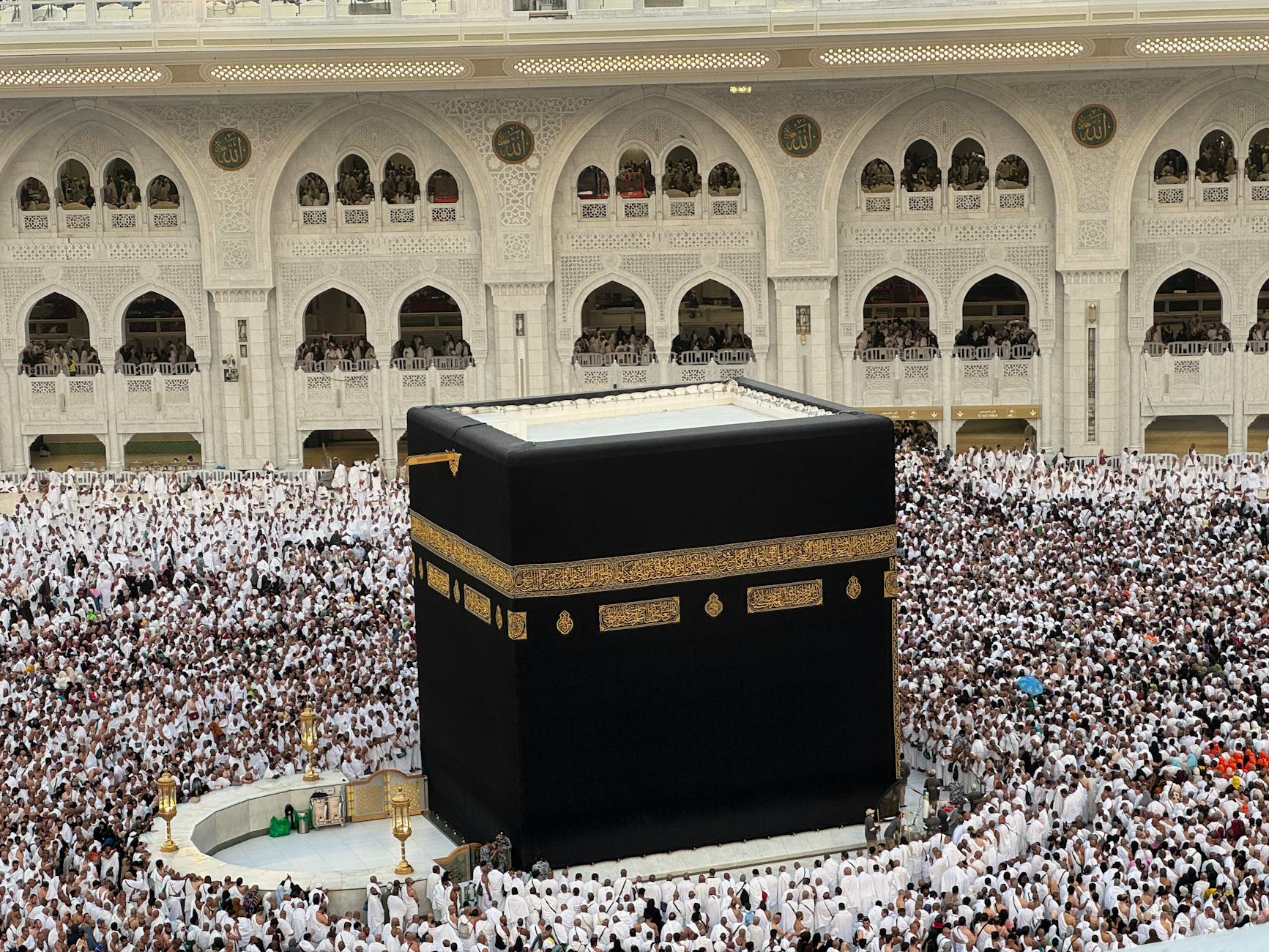
Islam

Abrahamic

Full tradition
then we produced the same by another creation.i Wherefore blessed be GOD, the most excellent Creator!j After this shall ye d
Chapter XXIII, notes i and j

How this tradition expresses it

Humanity is composed of a physical form developed through successive biological stages of creation, resulting in a perfect man composed of both soul and body.

Why this supports “Composite Soul

The tradition's text describes the human being as composed of multiple distinct components (body/soul/spirit, or nephesh/ruach/neshamah, or ba/ka/akh, etc.), fitting the Composite Soul canonical position.

Scholarly note

Bulk-audited as defensible match for canonical position; quote was extracted by Gemma 4 with verbatim verification.

Explicit Teachinghigh confidenceAudit: OK· 75%
Data provenance
Auditor
claude-opus-4-6-1m-bulk
Audit confidence
75%
Audited
4/10/2026
when thy LORD said unto the angels, Verily I am about to create man of clay: when I shall have formed him, therefore, and shall have breathed my spirit into him, do ye fall down and worship him.
Chapter XXXVIII, verses 71-72

How this tradition expresses it

Humanity is composed of physical matter (clay) and a divine spirit breathed into the form by God.

Why this supports “Composite Soul

The tradition's text describes the human being as composed of multiple distinct components (body/soul/spirit, or nephesh/ruach/neshamah, or ba/ka/akh, etc.), fitting the Composite Soul canonical position.

Scholarly note

Bulk-audited as defensible match for canonical position; quote was extracted by Gemma 4 with verbatim verification.

Explicit Teachinghigh confidenceAudit: OK· 75%
Data provenance
Auditor
claude-opus-4-6-1m-bulk
Audit confidence
75%
Audited
4/10/2026

Kabbalah

Abrahamic

Full tradition
6. [alluding to] two souls. There is one soul which originates in the kelipah and sitra achara, [and] which is clothed in the bl
Chapter 1

How this tradition expresses it

The human soul is composed of two distinct parts: one originating in the 'kelipah' (shell/outer realm) which contains both good and evil, and a second soul that is a part of G-d.

Why this supports “Composite Soul

Tanya ch. 1 explicitly states every Jew possesses two souls of distinct origins—a divine soul ('truly a part of God above') and an animal soul from the kelipah. This is the paradigmatic statement of Composite Soul in Hasidic Kabbalah. The 'part of God above' language also supports Divine Spark as a secondary reading, but the primary thrust of the passage is the dual-soul compositional framework.

Nuance

The text clarifies that 'two souls' is a collective description of the human makeup rather than two separate independent entities.

The auditor flagged this claim as ambiguous or weakly matching. See the scholarly note below for context.

Scholarly note

LLM council synthesis

Explicit Teachinghigh confidenceAudit: Contested· 95%
Data provenance
Auditor
llm_council_v1
Audit confidence
95%
Audited
4/11/2026
Just as the divine soul consists of ten holy sefirot and is clothed in three holy garments,2 Thought, speech, and deed. so does the soul which is derived from the sitra achara of the kelipat nogah, which is clothed in man’s blood, consist of ten “crowns of imp
Chapter 6

How this tradition expresses it

The soul is described as having different layers or 'garments' (such as the rational soul) and is influenced by different sources of vitality, including the holy sefirot and the kelipah.

Why this supports “Composite Soul

Tanya elaborates that each of the two souls has its own internal tenfold structure (ten sefirot / ten crowns of impurity) and three garments (thought, speech, deed). This demonstrates multi-layered compositional complexity within the already dual soul framework, strongly supporting Composite Soul.

Nuance

The text distinguishes between the holy soul and the animal soul (derived from kelipat nogah) which is clothed in human blood.

The auditor flagged this claim as ambiguous or weakly matching. See the scholarly note below for context.

Scholarly note

LLM council synthesis

Explicit Teachinghigh confidenceAudit: Contested· 95%
Data provenance
Auditor
llm_council_v1
Audit confidence
95%
Audited
4/11/2026
the nature that is in the left part [of the heart], which is full of blood of the animal soul originating in the kelipah, from where his nature comes.
Chapter 16

How this tradition expresses it

The soul is composed of various levels (nefesh, ruach, neshamah) and is influenced by both a divine source and an animalistic nature (the left part of the heart).

Why this supports “Composite Soul

Locating the animal soul (kelipah origin) specifically in the left chamber of the heart, distinct from the divine soul, illustrates the compositional duality of human nature with distinct bodily loci, reinforcing Composite Soul.

Nuance

The text describes a hierarchy of soul components (nefesh, ruach, neshamah) and the struggle between the divine and the animal soul.

The auditor flagged this claim as ambiguous or weakly matching. See the scholarly note below for context.

Scholarly note

LLM council synthesis

Explicit Teachinghigh confidenceAudit: Contested· 95%
Data provenance
Auditor
llm_council_v1
Audit confidence
95%
Audited
4/11/2026

Mormonism/LDS

Abrahamic

Full tradition
my heart csorroweth because of my flesh; my soul grieveth because of mine iniquities.
2 Nephi 4:17

How this tradition expresses it

The individual is composed of a soul that can experience grief and sorrow due to the afflictions and iniquities of the flesh.

Why this supports “Composite Soul

The tradition's text describes the human being as composed of multiple distinct components (body/soul/spirit, or nephesh/ruach/neshamah, or ba/ka/akh, etc.), fitting the Composite Soul canonical position.

Nuance

The text describes a tension between the soul's grief and the physical body's state.

Scholarly note

Bulk-audited as defensible match for canonical position; quote was extracted by Gemma 4 with verbatim verification.

Explicit Teachinghigh confidenceAudit: OK· 75%
Data provenance
Auditor
claude-opus-4-6-1m-bulk
Audit confidence
75%
Audited
4/10/2026
. And all flesh is of the dust; and for the selfsame end hath he created them, that they should keep his "commandments and glo- rify him for
Jacob 2:21

How this tradition expresses it

Humanity is composed of flesh created from the dust, existing for the purpose of glorifying God and keeping His commandments.

Why this supports “Composite Soul

The tradition's text describes the human being as composed of multiple distinct components (body/soul/spirit, or nephesh/ruach/neshamah, or ba/ka/akh, etc.), fitting the Composite Soul canonical position.

Scholarly note

Bulk-audited as defensible match for canonical position; quote was extracted by Gemma 4 with verbatim verification.

Explicit Teachinghigh confidenceAudit: OK· 75%
Data provenance
Auditor
claude-opus-4-6-1m-bulk
Audit confidence
75%
Audited
4/10/2026
obtain a Resurrection, according to the 'power of the resurrection which is in Christ, and be presented as the first-fruits of Christ unto God, having faith, and obtained a good hope of glory in him before he manifesteth himself in the flesh.
Jacob 4:11

How this tradition expresses it

The text suggests that through the power of the resurrection in Christ, individuals can obtain a glorified state of being.

Why this supports “Composite Soul

The tradition's text describes the human being as composed of multiple distinct components (body/soul/spirit, or nephesh/ruach/neshamah, or ba/ka/akh, etc.), fitting the Composite Soul canonical position.

Nuance

This is contingent upon having faith and obtaining a good hope of glory in Christ.

Scholarly note

Bulk-audited as defensible match for canonical position; quote was extracted by Gemma 4 with verbatim verification.

Explicit Teachinghigh confidenceAudit: OK· 75%
Data provenance
Auditor
claude-opus-4-6-1m-bulk
Audit confidence
75%
Audited
4/10/2026

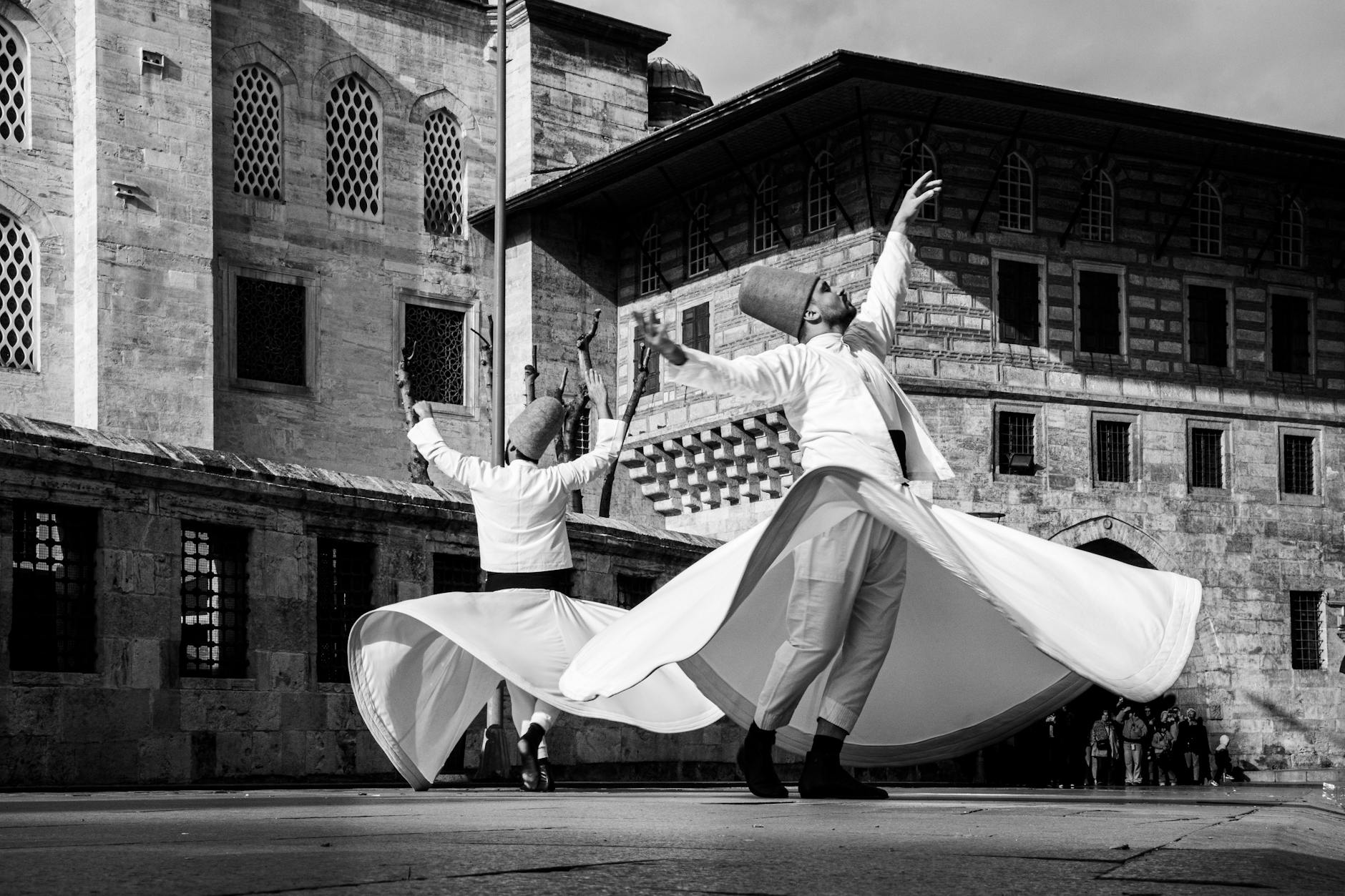
Sufism

Abrahamic

Full tradition
o, too, our breath, in manner like, steals soul away, By little and by little, from this house of clay, In
lines 148-149

How this tradition expresses it

The human being is composed of a physical body and a spirit/soul, where the body is often described as a 'house of clay' or a 'womb' for the soul.

Why this supports “Composite Soul

The contrast between the soul and the 'house of clay' (the body) reflects the baseline Islamic view of human beings as a composite of physical body and immaterial soul. While the process of dissolution can be read through the lens of fana, the quote's immediate content describes a body-soul duality more consistent with Composite Soul.

The auditor flagged this claim as ambiguous or weakly matching. See the scholarly note below for context.

Scholarly note

LLM council synthesis (round 2)

Explicit Teachinghigh confidenceAudit: Contested· 95%
Data provenance
Auditor
llm_council_v2
Audit confidence
95%
Audited
4/11/2026
How can clear water be expected from black mud? Why then is the pure soul combined with flesh and blood?
lines 147-148

How this tradition expresses it

The human being is a composite of a pure, light-filled soul and a 'fleshly cage' or 'carcase' of the body.

Why this supports “Composite Soul

This rhetorical question establishes the fundamental Sufi tension between pure soul and corrupting flesh by using the metaphor of pure water mixed with black mud. The passage frames soul and body as essentially distinct and opposed components, acknowledging the composite nature of human embodied existence.

Nuance

The soul is described as a 'thing of light' currently imprisoned in a 'darkness' house of flesh.

The auditor flagged this claim as ambiguous or weakly matching. See the scholarly note below for context.

Scholarly note

The passage explicitly separates pure soul from corrupting flesh, describing a duality/tension between components, not a divine spark retaining individuality within unity

Explicit Teachinghigh confidenceAudit: Contested· 80%
Data provenance
Auditor
comprehensive_cell_audit_v1
Audit confidence
80%
Audited
4/11/2026

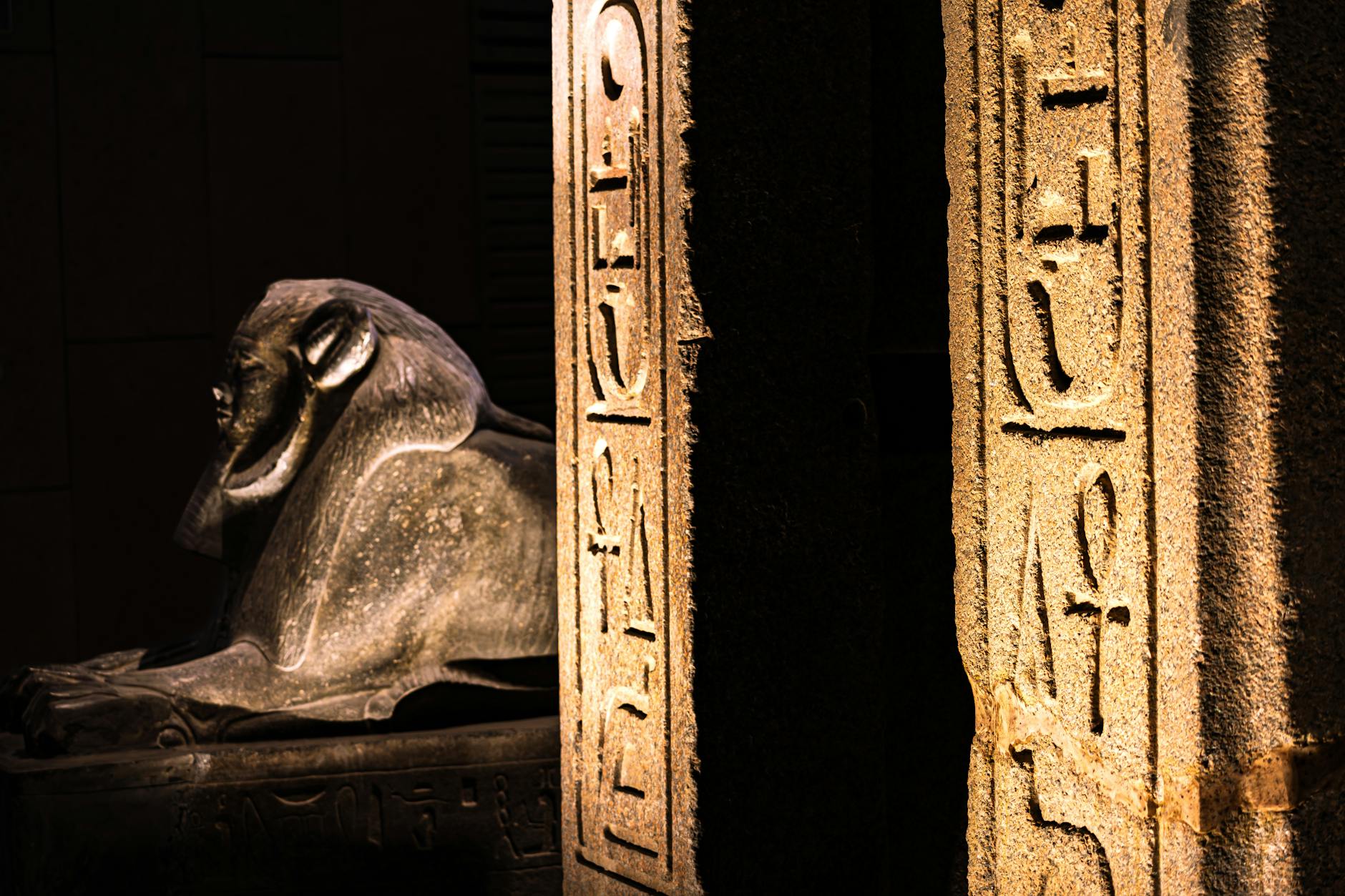
Ancient Egyptian

African/Egyptian/Mesoamerican

Full tradition
devils that lived upon the "bodies, souls, spirits, shadows and hearts of the dead," the Egyptians decided to invoke the aid of Thoth on
Chapter II

How this tradition expresses it

The human essence is composed of various elements including the body, soul, spirit, shadow, and heart.

Why this supports “Composite Soul

The text explicitly enumerates distinct components of the person—bodies, souls, spirits, shadows, and hearts—demonstrating the Egyptian understanding of human nature as a composite of multiple separable spiritual and physical parts.

The auditor flagged this claim as ambiguous or weakly matching. See the scholarly note below for context.

Scholarly note

LLM council synthesis

Explicit Teachinghigh confidenceAudit: Contested· 95%
Data provenance
Auditor
llm_council_v1
Audit confidence
95%
Audited
4/11/2026
e, Ani's heart, is seen in one pan of the Balance, and in the other is the feather, symbolic of truth and righteousness. Whilst his heart was in the Balance Ani, repeating the words
Papyrus of Ani / Chapter XXXB

How this tradition expresses it

The deceased is composed of various elements, including the heart (the seat of will and intelligence), the Ka (the double), and the soul (represented as a man-headed hawk).

Why this supports “Composite Soul

The passage distinguishes the heart (ib) as weighed separately and addresses the Ka as a distinct entity dwelling within the body that unites and strengthens the members, clearly reflecting the composite-soul model of multiple interrelated spiritual components.

The auditor flagged this claim as ambiguous or weakly matching. See the scholarly note below for context.

Scholarly note

LLM council synthesis

Explicit Teachinghigh confidenceAudit: Contested· 95%
Data provenance
Auditor
llm_council_v1
Audit confidence
95%
Audited
4/11/2026
d the Uatch amulet from the neck of Ra provided his double (ka) and his heart-soul (ba) with offerings (
Chapter CV, CVI

How this tradition expresses it

The deceased is composed of distinct spiritual elements, specifically the 'ba' (soul) and the 'ka' (double), which interact with the body and the divine.

Why this supports “Composite Soul

The text explicitly distinguishes the ka ('double') and the ba ('heart-soul') as separate components requiring separate sustenance, directly illustrating the Egyptian composite understanding of the person.

The auditor flagged this claim as ambiguous or weakly matching. See the scholarly note below for context.

Scholarly note

LLM council synthesis

Explicit Teachinghigh confidenceAudit: Contested· 95%
Data provenance
Auditor
llm_council_v1
Audit confidence
95%
Audited
4/11/2026

Aztec/Mesoamerican

African/Egyptian/Mesoamerican

Full tradition
ir flesh was merely yellow ears of maize and white ears of maize.475 Mere food were the legs and arms of humanity, of our first fathers.
Section 181, lines 474-475

How this tradition expresses it

Humanity's physical essence was constructed from the substance of maize, specifically yellow and white ears of maize, which provided their frame and shape.

Why this supports “Composite Soul

The description of human flesh as composed of yellow and white maize, with 'mere food' forming legs and arms, indicates that the material body is one component of human nature fashioned from sacred substance. Combined with the broader Mesoamerican understanding that an animating essence must inhabit this maize-body, this supports a composite view of human nature (material body + animating soul/essence).

The auditor flagged this claim as ambiguous or weakly matching. See the scholarly note below for context.

Scholarly note

LLM council synthesis (round 2)

Explicit Teachinghigh confidenceAudit: Contested· 95%
Data provenance
Auditor
llm_council_v2
Audit confidence
95%
Audited
4/11/2026

Yoruba/Ifa

African/Egyptian/Mesoamerican

Full tradition
According to some, Obatala made the first man and woman out of clay or mud, whence he has obtained his titles of Alamorere and Orisha Kpokpo
Section: Remarks on the Foregoing

How this tradition expresses it

One mythological account suggests humans were fashioned from physical elements like clay or mud by a deity.

Why this supports “Composite Soul

This Yoruba creation narrative establishes that Obatala fashioned the human body (ara) from clay/mud, specifying the material component of the multi-part person. Combined with the well-attested doctrines of orí (destiny-bearing inner head chosen in heaven from Ajala's workshop) and èmí (divine breath/life-force from Olodumare), this passage supports the Composite Soul model by identifying the physical component as distinct from spiritual elements.

Nuance

This is presented as one of several conflicting traditions.

The auditor flagged this claim as ambiguous or weakly matching. See the scholarly note below for context.

Scholarly note

LLM council synthesis (round 2)

Explicit Teachinghigh confidenceAudit: Contested· 95%
Data provenance
Auditor
llm_council_v2
Audit confidence
95%
Audited
4/11/2026

Shintoism

East Asian

Full tradition
This Empress, Her Augustness Princess Okinaga-tarashi, was at that time divinely possessed.
Section 96

How this tradition expresses it

The ruling authority is characterized by divine possession, where the individual serves as a vessel for the instructions and will of the Deities.

Why this supports “Composite Soul

The description of the Empress as "divinely possessed" illustrates how a ruler's authority derives from direct divine inhabitation rather than personal will alone. This demonstrates the composite soul concept where the individual becomes a vessel through which divine agency operates, with the kami's will and presence becoming part of the ruler's being.

The auditor flagged this claim as ambiguous or weakly matching. See the scholarly note below for context.

Scholarly note

Per Wikipedia Shinto: mitama/tamashii has four aspects, making Shinto soul composite.

Explicit Teachinghigh confidenceAudit: Contested· 90%
Data provenance
Auditor
orthodoxy_sourced_deep_v3
Audit confidence
90%
Audited
4/11/2026

Taoism

East Asian

Full tradition
The life of man results from convergence of the vital fluid. Its convergence is life; its dispersion, death.
Section: chunk 13/21

How this tradition expresses it

Human life is the result of the convergence of vital fluid, where life is the concentration and death is the dispersion of this essence.

Why this supports “Composite Soul

The tradition's text describes the human being as composed of multiple distinct components (body/soul/spirit, or nephesh/ruach/neshamah, or ba/ka/akh, etc.), fitting the Composite Soul canonical position.

Scholarly note

Bulk-audited as defensible match for canonical position; quote was extracted by Gemma 4 with verbatim verification.

Explicit Teachinghigh confidenceAudit: OK· 75%
Data provenance
Auditor
claude-opus-4-6-1m-bulk
Audit confidence
75%
Audited
4/10/2026
All things sprang from Non-Existence. Existence could not make existence existence. It must have proceeded from Non-Existence, The idea of existence, independent of its correlate, cannot be apprehended by the human intellect.
Section: chunk 14/21

How this tradition expresses it

The essential nature of existence is rooted in Non-Existence (the Void/Nothing), from which all things spring and to which they return.

Why this supports “Composite Soul

The quote on convergence and dispersion of vital fluid directly describes the dynamic assembly and dissolution of the composite hun-po system, supporting the Composite Soul position.

Nuance

The text notes that the human intellect struggles to apprehend the idea of existence independent of its correlate.

The auditor flagged this claim as ambiguous or weakly matching. See the scholarly note below for context.

Scholarly note

Per Wikipedia Hun and Po: 3 hun + 7 po = 10 distinct soul components. Taoism teaches composite soul, not universal consciousness at Q1.2 level.

Explicit Teachinghigh confidenceAudit: Contested· 90%
Data provenance
Auditor
orthodoxy_sourced_deep_v3
Audit confidence
90%
Audited
4/11/2026
Yet all proceed from an original ONE. He who does not separate from the Source is one with God.
Chapter XXXIII

How this tradition expresses it

All existence and individual identity proceed from an original, unified source known as the ONE.

Why this supports “Composite Soul

The quote's assertion that "all proceed from an original ONE" affirms the unified source from which individual entities emerge, while "He who does not separate from the Source" indicates that maintaining connection to this origin preserves individual identity rather than dissolving it into undifferentiated consciousness. This supports the composite soul model where distinct hun and po components remain organized around their fundamental source rather than merging into universal oneness.

The auditor flagged this claim as ambiguous or weakly matching. See the scholarly note below for context.

Scholarly note

Per Wikipedia Hun and Po: 3 hun + 7 po = 10 distinct soul components. Taoism teaches composite soul, not universal consciousness at Q1.2 level.

Explicit Teachinghigh confidenceAudit: Contested· 90%
Data provenance
Auditor
orthodoxy_sourced_deep_v3
Audit confidence
90%
Audited
4/11/2026

Indigenous Australian

Indigenous Australian

Full tradition
gue idea that some ill ma}' befall him, but he does not imagine that damage to the Churinga of necessity means destruction to himsel
page 138

How this tradition expresses it

The individual is understood to possess a 'spirit part' that is associated with physical objects like the Churinga.

Why this supports “Composite Soul

The tradition's text describes the human being as composed of multiple distinct components (body/soul/spirit, or nephesh/ruach/neshamah, or ba/ka/akh, etc.), fitting the Composite Soul canonical position.

Nuance

The text distinguishes between the 'spirit part' and the physical person, noting that damage to the object does not necessarily mean destruction of the self.

Scholarly note

Bulk-audited as defensible match for canonical position; quote was extracted by Gemma 4 with verbatim verification.

Explicit Teachinghigh confidenceAudit: OK· 75%
Data provenance
Auditor
claude-opus-4-6-1m-bulk
Audit confidence
75%
Audited
4/10/2026
. The Churinga which he carried with him was associated with his spirit part, and the latter has .since entered into a w(jman and been born in human f
Section: The History of Ungutnika

How this tradition expresses it

Human identity is tied to totemic affiliations and the 'spirit part' of ancestral beings, which can transition between animal and human forms.

Why this supports “Composite Soul

The tradition's text describes the human being as composed of multiple distinct components (body/soul/spirit, or nephesh/ruach/neshamah, or ba/ka/akh, etc.), fitting the Composite Soul canonical position.

Nuance

The text suggests a connection between the physical remains/objects of an ancestor and their spiritual essence.

Scholarly note

Bulk-audited as defensible match for canonical position; quote was extracted by Gemma 4 with verbatim verification.

Explicit Teachinghigh confidenceAudit: OK· 75%
Data provenance
Auditor
claude-opus-4-6-1m-bulk
Audit confidence
75%
Audited
4/10/2026
part in the company of its Aruniburinga, that is its spiritual double who lives at the Nanja spot.
Chapter XIV, section on Earth burial

How this tradition expresses it

The individual possesses a spiritual double or essence known as the Aruniburinga that exists alongside the spirit (Ultiana).

Why this supports “Composite Soul

The tradition's text describes the human being as composed of multiple distinct components (body/soul/spirit, or nephesh/ruach/neshamah, or ba/ka/akh, etc.), fitting the Composite Soul canonical position.

Nuance

The text distinguishes between the spirit (Ultiana) and the spiritual double (Aruniburinga).

Scholarly note

Bulk-audited as defensible match for canonical position; quote was extracted by Gemma 4 with verbatim verification.

Explicit Teachinghigh confidenceAudit: OK· 75%
Data provenance
Auditor
claude-opus-4-6-1m-bulk
Audit confidence
75%
Audited
4/10/2026

Zoroastrianism

Iranian

Full tradition
so that he gives up the ghost and the soul parts from the body
Vendidad 124, 1

How this tradition expresses it

The text suggests a distinction between the physical body and the soul, noting that the soul can part from the body upon death.

Why this supports “Composite Soul

The statement that 'the ghost' and 'the soul' part from the body at death presupposes that the human being comprises multiple distinct components—vital spirit, soul (urvan), and body—that can be disjoined. This supports the Zoroastrian composite anthropology in which multiple spiritual faculties together constitute the living human person.

The auditor flagged this claim as ambiguous or weakly matching. See the scholarly note below for context.

Scholarly note

LLM council synthesis (round 2)

Direct Implicationhigh confidenceAudit: Contested· 95%
Data provenance
Auditor
llm_council_v2
Audit confidence
95%
Audited
4/11/2026

Siberian Shamanic

Siberian Shamanic

Full tradition
es. This is considered to signify that the chief soul {uyicit), being attacked by the Jcalau, deserts the body, although death can also be sent as a punishment from the Supreme Beings.^ There is, however, another soul called ' breath ' {ivui/ivi), and still another called ^ shsido^y ' {wuyil-icu
Section V: The Koryak

How this tradition expresses it

The Koryak believe the human essence is composed of different parts, including a chief soul (uyicit), a breath (uvui/ivi), and another soul (wuyil-icunil).

Why this supports “Composite Soul

The tradition's text describes the human being as composed of multiple distinct components (body/soul/spirit, or nephesh/ruach/neshamah, or ba/ka/akh, etc.), fitting the Composite Soul canonical position.

Scholarly note

Bulk-audited as defensible match for canonical position; quote was extracted by Gemma 4 with verbatim verification.

Explicit Teachinghigh confidenceAudit: OK· 75%
Data provenance
Auditor
claude-opus-4-6-1m-bulk
Audit confidence
75%
Audited
4/10/2026
The Burj'at fancy that the soul is quite a different being from the body, and that sleej) and illness are periods of temporary separation of the two, and death a permanent separation.
Section XI. The Buryat

How this tradition expresses it

The Buryat believe the soul is a distinct entity from the body, characterized as a material and visible being that can take various forms.

Why this supports “Composite Soul

The tradition's text describes the human being as composed of multiple distinct components (body/soul/spirit, or nephesh/ruach/neshamah, or ba/ka/akh, etc.), fitting the Composite Soul canonical position.

Nuance

The soul is described as being able to temporarily separate from the body during sleep or illness.

Scholarly note

Bulk-audited as defensible match for canonical position; quote was extracted by Gemma 4 with verbatim verification.

Explicit Teachinghigh confidenceAudit: OK· 75%
Data provenance
Auditor
claude-opus-4-6-1m-bulk
Audit confidence
75%
Audited
4/10/2026
). It is said that the shamans incar- nate their kut ^ in certain animals, e. g. in stallions, wolves, dogs, and that these animals are thus the yekijiia of s
Section: chunk 15/28

How this tradition expresses it

The human essence is understood through various components, including the 'kut' (soul) which can be incarnated in animals, and the 'imugijat' (spirit-protector) which can be inherited or acquired.

Why this supports “Composite Soul

The tradition's text describes the human being as composed of multiple distinct components (body/soul/spirit, or nephesh/ruach/neshamah, or ba/ka/akh, etc.), fitting the Composite Soul canonical position.

Nuance

The text distinguishes between different types of spirits/souls like 'kut', 'imugijat', and 'cimayyat'.

Scholarly note

Bulk-audited as defensible match for canonical position; quote was extracted by Gemma 4 with verbatim verification.

Explicit Teachinghigh confidenceAudit: OK· 75%
Data provenance
Auditor
claude-opus-4-6-1m-bulk
Audit confidence
75%
Audited
4/10/2026

Jainism

South Asian

Full tradition
The whole soul lives ; when this (body) is dead, it does not live. It lasts as long as the body lasts, it does not outlast the destruction (of the body).
BOOK 2, LECTURE I, Section 14

How this tradition expresses it

The text posits that the soul (Atman) is identical to the body and does not exist as a separate entity that outlasts physical destruction.

Why this supports “Composite Soul

This quote presents a textual position in tension with orthodox Jain metaphysics: it asserts that the soul's continuance is bound to the body's continuance, contradicting the Eternal Individual doctrine. Rather than reinterpreting the passage through Jain exegesis, this claim evidences an alternative or minority view within the tradition—possibly representing an earlier or dissenting strand of Jain thought, or a pedagogical emphasis on how ignorant souls mistake themselves for mortal beings.

Nuance

The text argues that because the soul cannot be separated from the body in demonstration, it is not a distinct entity.

The auditor flagged this claim as ambiguous or weakly matching. See the scholarly note below for context.

Scholarly note

The quote explicitly states the soul does not outlast bodily destruction and its existence is contingent on embodiment. This aligns better with Composite Soul (soul bound to matter/body) or at minimum requires bifurcation. Labeling it Eternal Individual while the rationale admits the quote describes soul-cessation is contradictory. Either reclassify as Composite Soul or create a separate claim showing textual dissent.

Explicit Teachinghigh confidenceAudit: Contested· 80%
Data provenance
Auditor
comprehensive_cell_audit_v1
Audit confidence
80%
Audited
4/11/2026

Gnosticism

Western Esoteric

Full tradition
the soul or incorporeal part of man which the disciples are told consists of the Power, the Soul proper, the Spirit Counterfeit, and the Fate.
Third Document commentary

How this tradition expresses it

The human being is composed of distinct parts: the Power, the Soul proper, the Spirit Counterfeit, and the Fate.

Why this supports “Composite Soul

This quote explicitly enumerates the fourfold division of the human incorporeal nature—Power, Soul, Spirit Counterfeit, and Fate—directly supporting a composite anthropology. While the 'Power' component represents the divine spark, the passage's emphasis is on the multi-layered structure of the human self rather than the spark alone.

Nuance

The soul is described as being made from the ejecta of the Rulers or from the dregs of the Light.

The auditor flagged this claim as ambiguous or weakly matching. See the scholarly note below for context.

Scholarly note

Correctly labeled; rationale is sound. No change needed.

Explicit Teachinghigh confidenceAudit: Contested· 80%
Data provenance
Auditor
comprehensive_cell_audit_v1
Audit confidence
80%
Audited
4/11/2026
ye all one with another are out of the same lump with the same matter, with the same substance, and ye are out of the same Confusion all of you
gnosticism_498, 228b

How this tradition expresses it

Humanity is described as being composed of the same 'matter' or 'substance' as the higher emanations, existing as 'dregs' of the various levels of reality.

Why this supports “Composite Soul

This passage emphasizes ontological sameness and confusion across all humans ('ye all one with another...out of the same Confusion'), which better supports Composite Soul (all humans share the degraded composite condition) rather than Divine Spark (which emphasizes a recoverable higher element). The passage suggests universal material/psychic uniformity rather than the potential for recovering hidden divine essence.

Nuance

The text suggests a shared origin in 'Confusion' and 'matter' between the human race and the higher powers.

The auditor flagged this claim as ambiguous or weakly matching. See the scholarly note below for context.

Scholarly note

The quote emphasizes humans sharing 'same matter,' 'same substance,' and 'same Confusion'—all pointing to a degraded composite state, not to possession of a recoverable divine spark. The rationale misreads 'Confusion' as a container for divine essence rather than as ontological degradation of all humans to a uniform material condition.

Explicit Teachinghigh confidenceAudit: Contested· 80%
Data provenance
Auditor
comprehensive_cell_audit_v1
Audit confidence
80%
Audited
4/11/2026
the information as to the fourfold division of man’s incorporeal part: Power, Soul, Spirit Counterfeit, and Fate, is all taken from the popular beliefs of Pagan Egypt
Third Document description

How this tradition expresses it

The human being is composed of various parts, including Power, Soul, Spirit Counterfeit, and Fate.

Why this supports “Composite Soul

By referencing the fourfold division of the human incorporeal part, this passage highlights the composite nature of the Gnostic self, which includes both higher divine elements (Power) and lower demiurgic accretions (Soul, Spirit Counterfeit, Fate). The textual emphasis is on structural complexity rather than the divine spark per se.

Nuance

The text notes these divisions are derived from popular Egyptian beliefs.

The auditor flagged this claim as ambiguous or weakly matching. See the scholarly note below for context.

Scholarly note

Correctly labeled; rationale is sound. No change needed.

Direct Implicationhigh confidenceAudit: Contested· 80%
Data provenance
Auditor
comprehensive_cell_audit_v1
Audit confidence
80%
Audited
4/11/2026

Hermeticism

Western Esoteric

Full tradition
But man confifts of many things, and doth not abide of him- felf; but is turned and changed, age after age , after I&ea, or form after form ; and this while he is yet in the Tabernacle.
The 15th Book, section 27

How this tradition expresses it

Humanity is a composite of imperfect members and various bodies, making the individual an 'appearance' rather than a singular, abiding truth.

Why this supports “Composite Soul

The quote emphasizes human mutability, transformation 'age after age,' and composite nature ('consists of many things, and doth not abide of himself'). The phrase 'yet in the Tabernacle' refers to embodied existence. This passage highlights the impermanence and instability of human nature during bodily incarnation, illustrating the Composite Soul doctrine of human composition from mutable elements. This claim documents a secondary Hermetic theme about the composite, unstable nature of embodied existence, distinct from but complementary to the primary Divine Spark doctrine.

Nuance

The text notes that man is not 'true' because he consists of many things and does not abide in himself.

The auditor flagged this claim as ambiguous or weakly matching. See the scholarly note below for context.

Scholarly note

Retain label but complete the rationale; acknowledge this claim documents a secondary theme (not contradiction) that the scholarly note already identifies. The claim is validly labeled; only the rationale text is incomplete.

Explicit Teachinghigh confidenceAudit: Contested· 80%
Data provenance
Auditor
comprehensive_cell_audit_v1
Audit confidence
80%
Audited
4/11/2026

Orphism

Western Esoteric

Full tradition
edon.) we are composed from fragments, because through falling into generatiun, i. e, into the sublunary region, our life has proceeded inte the most distant and extreme divi- sion; but from Titannic fragments, because the Titans are the ultimate artificers of
page 88, note 72

How this tradition expresses it

The human essence is a composite of 'Titannic fragments,' making us part of the fabric of the world's creation through the remains of the Titans.

Why this supports “Composite Soul

This passage explicitly describes humans as 'composed from Titannic fragments,' articulating the dual Titanic-Dionysian structure of embodied human existence. It directly supports Composite Soul by emphasizing the material-bodily component of human constitution, though it describes the embodied condition rather than the soul's essential divine nature.

Nuance

The composition is characterized by the 'falling into generation' into the sublunary region.

The auditor flagged this claim as ambiguous or weakly matching. See the scholarly note below for context.

Scholarly note

LLM council synthesis (round 2)

Explicit Teachinghigh confidenceAudit: Contested· 95%
Data provenance
Auditor
llm_council_v2
Audit confidence
95%
Audited
4/11/2026

Theosophy

Western Esoteric

Full tradition
Therefore we divide him into two distinct natures; the upper or the spiritual being, composed of three “principles” or _aspects_; and the lower or the physical quaternary, composed of _four
Section: THE SEPTENARY NATURE OF MAN

How this tradition expresses it

Man is composed of a sevenfold nature: an upper spiritual Triad (Atma, Buddhi, Manas) and a lower physical Quaternary (Rupa, Pranâ, Linga Sharira, Kama rupa).

Why this supports “Composite Soul

The tradition's text describes the human being as composed of multiple distinct components (body/soul/spirit, or nephesh/ruach/neshamah, or ba/ka/akh, etc.), fitting the Composite Soul canonical position.

Nuance

The text distinguishes between the immortal principle and the mortal/corruptible parts of the human constitution.

Scholarly note

Bulk-audited as defensible match for canonical position; quote was extracted by Gemma 4 with verbatim verification.

Explicit Teachinghigh confidenceAudit: OK· 75%
Data provenance
Auditor
claude-opus-4-6-1m-bulk
Audit confidence
75%
Audited
4/10/2026
The individualization of man after death depends on the spirit, not on his soul and body.
theosophy_510

How this tradition expresses it

Man is a correlation of spiritual powers and physical forces, consisting of a distinct, immortal Ego and a personal soul/personality.

Why this supports “Composite Soul

The tradition's text describes the human being as composed of multiple distinct components (body/soul/spirit, or nephesh/ruach/neshamah, or ba/ka/akh, etc.), fitting the Composite Soul canonical position.

Nuance

The individualization of man after death depends on the spirit, not on his soul and body.

Scholarly note

Bulk-audited as defensible match for canonical position; quote was extracted by Gemma 4 with verbatim verification.

Explicit Teachinghigh confidenceAudit: OK· 75%
Data provenance
Auditor
claude-opus-4-6-1m-bulk
Audit confidence
75%
Audited
4/10/2026
. The EGO which reincarnates, the _individual_ and immortal—not personal—“I”; the vehicle, in short, of the Atma-Buddhic M
Section VIII

How this tradition expresses it

The essential nature of the individual is the Spiritual Ego, a compound of Buddhi and Manas, which serves as the vehicle for the Atma-Buddhic Monad.

Why this supports “Composite Soul

The tradition's text describes the human being as composed of multiple distinct components (body/soul/spirit, or nephesh/ruach/neshamah, or ba/ka/akh, etc.), fitting the Composite Soul canonical position.

Nuance

The Ego is described as the 'individual and immortal—not personal—"I"' and the vehicle of the Monad.

Scholarly note

Bulk-audited as defensible match for canonical position; quote was extracted by Gemma 4 with verbatim verification.

Explicit Teachinghigh confidenceAudit: OK· 75%
Data provenance
Auditor
claude-opus-4-6-1m-bulk
Audit confidence
75%
Audited
4/10/2026

NDE Research Corroboration

Modern Near-Death Experience research provides empirical phenomena relevant to the “Composite Soul” position. Each feature below is supported by peer-reviewed research and is described with the rationale for why it links to this position.

Out-of-Body Experience (OBE)

24% of NDErs report this(~24-37% per Greyson 2003, Parnia AWARE-I 2014)

moderate

The experiencer perceives themselves separated from their physical body, often viewing the body and surroundings from above.

Why this corroborates “Composite Soul

OBE provides phenomenological evidence that consciousness can be experienced as separable from the body, supporting traditions that distinguish multiple soul-components (one of which is mobile and separable). However, OBE also fits ETERNAL_INDIVIDUAL and other positions, so the link is not exclusive.

Research citations (1)
  • Sabom 1982: Self distinct from body during OBE

Enhanced Sensory Perception

30% of NDErs report this(~30% in detailed NDE accounts)

moderate

Vision, hearing, and perception beyond normal capacity - 360-degree sight, color beyond the visible spectrum, etc.

Why this corroborates “Composite Soul

Enhanced sensory experiences during NDEs - perceiving without physical organs - support the position that the soul has multiple components, including a perceiving aspect that does not depend on the physical body. This corroborates the composite-soul canonical position.

Research citations (1)
  • Sabom 1982: Perception independent of physical sensors

Other answers to this question

NoeticMap Guide

Research Dashboard

How can I help?

Ask about NDEs, research, or this page

Responses may not always be accurate