Q2 · Moral Accountability

Divine Judgment

24of 67 traditions hold this positionStrong8 cultural clusters

What does “Divine judgment” mean?

A personal God judges the soul's deeds, typically at or after death

The Abrahamic alternative to karma: a personal God evaluates the soul's deeds and assigns reward or punishment. This is not impersonal cause-and-effect but the verdict of a moral judge. Christian Last Judgment, Islamic Day of Judgment, and similar traditions all share this framework.

Examples across traditions

  • Christianity: Last Judgment, books opened
  • Islam: Day of Judgment, scales of deeds
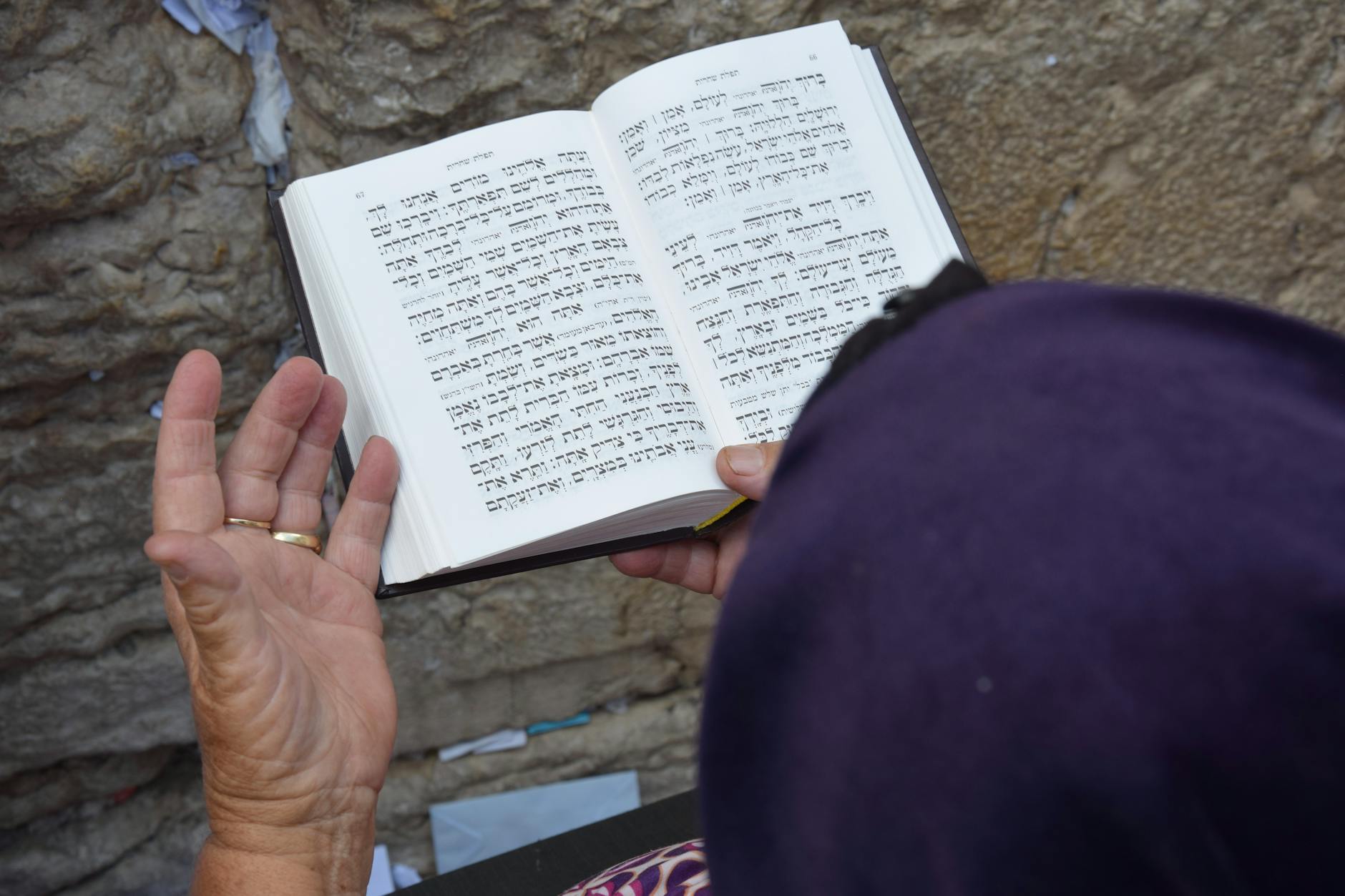
  • Judaism: Yom Kippur as divine accounting
  • Zoroastrianism: Chinwad bridge weighing

How this differs from neighboring positions

  • vs. Karmic Law: Judgment is personal; karma is impersonal
  • vs. Life Review: Judgment is by an external judge; life review is self-conducted

Traditions articulating this position

Baha'i

Abrahamic

Full tradition
God hath throughout His Book and in His holy and immortal Tablet warned them that deny and repudiate the revealed verses, and hath announced His grace unto them that accept the
Section: chunk 8/9

How this tradition expresses it

Accountability is tied to the acceptance or rejection of the revealed verses of God, with consequences ranging from hellish fire to the loss of spiritual grace.

Why this supports “Divine Judgment

The tradition's text affirms divine judgment: a personal God judges the soul's deeds.

Scholarly note

Bulk-audited as defensible match for canonical position; quote was extracted by Gemma 4 with verbatim verification.

Explicit Teachinghigh confidenceAudit: OK· 75%
Data provenance
Auditor
claude-opus-4-6-1m-bulk
Audit confidence
75%
Audited
4/10/2026
None can escape the snares He setteth, and no soul can find release except through submission to His will.
Kitab-i-Iqan, Section: chunk 9/9

How this tradition expresses it

Humanity is subject to the divine decree and the will of God, where no soul can find release except through submission to His will.

Why this supports “Divine Judgment

The tradition's text affirms divine judgment: a personal God judges the soul's deeds.

Scholarly note

Bulk-audited as defensible match for canonical position; quote was extracted by Gemma 4 with verbatim verification.

Explicit Teachinghigh confidenceAudit: OK· 75%
Data provenance
Auditor
claude-opus-4-6-1m-bulk
Audit confidence
75%
Audited
4/10/2026
Whoso hath failed to recognize Him will have condemned himself to the misery of remoteness, a remoteness which is naught but utter nothingness and the essence of the nethermost fire.
Section XXIX

How this tradition expresses it

Failure to recognize the Manifestation of God results in a state of spiritual misery and 'nothingness,' whereas recognition leads to His Presence.

Why this supports “Divine Judgment

The tradition's text affirms divine judgment: a personal God judges the soul's deeds.

Scholarly note

Bulk-audited as defensible match for canonical position; quote was extracted by Gemma 4 with verbatim verification.

Explicit Teachinghigh confidenceAudit: OK· 75%
Data provenance
Auditor
claude-opus-4-6-1m-bulk
Audit confidence
75%
Audited
4/10/2026

Christianity

Abrahamic

Full tradition
And the LORD God said unto the woman, What is this that thou hast done? And the woman said, The serpent beguiled me, and I did eat.
Genesis 3:13

How this tradition expresses it

Actions of disobedience result in consequences and death.

Why this supports “Divine Judgment

God's direct interrogation of Eve ('What is this that thou hast done?') presupposes moral agency and divine accountability for actions, establishing the foundational biblical pattern of divine judgment over human conduct.

The auditor flagged this claim as ambiguous or weakly matching. See the scholarly note below for context.

Scholarly note

LLM council synthesis

Explicit Teachinghigh confidenceAudit: Contested· 95%
Data provenance
Auditor
llm_council_v1
Audit confidence
95%
Audited
4/11/2026
And he overthrew those cities, and all the plain, and all the inhabitants of the cities, and that which grew upon the ground.
01:019:025

How this tradition expresses it

The text indicates that divine judgment is enacted through the destruction of cities and individuals based on their actions or state of being.

Why this supports “Divine Judgment

The destruction of Sodom and Gomorrah serves as a paradigmatic biblical example of divine judgment against wickedness. While collective rather than individual, it establishes the broader theological principle that God holds people accountable and acts in judgment, undergirding the personal accountability doctrine developed later in the tradition.

The auditor flagged this claim as ambiguous or weakly matching. See the scholarly note below for context.

Scholarly note

LLM council synthesis

Explicit Teachinghigh confidenceAudit: Contested· 95%
Data provenance
Auditor
llm_council_v1
Audit confidence
95%
Audited
4/11/2026
Now therefore restore the man his wife; for he is a prophet, and he shall pray for thee, and thou shalt live
020:007

How this tradition expresses it

The text establishes that the life of a person can be contingent upon the prayers of a prophet or the fulfillment of divine commands.

Why this supports “Divine Judgment

God's conditional command to restore Sarah and the threat of death illustrate divine accountability in action: obedience leads to life, disobedience to death. This supports the divine judgment framework even if it is situational rather than a systematic doctrinal statement.

The auditor flagged this claim as ambiguous or weakly matching. See the scholarly note below for context.

Scholarly note

LLM council synthesis

Explicit Teachinghigh confidenceAudit: Contested· 95%
Data provenance
Auditor
llm_council_v1
Audit confidence
95%
Audited
4/11/2026

Christianity (Swedenborgianism)

Abrahamic

Full tradition
It is otherwise with those who have separated faith from life, that is, who have not lived according to the precepts of true faith.
Section 2, Paragraph 2

How this tradition expresses it

Accountability is based on whether one's life was lived according to the precepts of true faith and whether one's thoughts were centered in the Lord.

Why this supports “Divine Judgment

The tradition's text affirms divine judgment: a personal God judges the soul's deeds.

Nuance

The text distinguishes between those who separated faith from life and those who did not.

Scholarly note

Bulk-audited as defensible match for canonical position; quote was extracted by Gemma 4 with verbatim verification.

Explicit Teachinghigh confidenceAudit: OK· 75%
Data provenance
Auditor
claude-opus-4-6-1m-bulk
Audit confidence
75%
Audited
4/10/2026
t. So where it is said in the Word that man will be judged according to his deeds, and will be rewarded according to his works, it is meant that he will be judged and rewarded in accordance with his thought and affection, which are the source of his deeds, or which are in his dee
Section 358

How this tradition expresses it

Accountability is not based on outward deeds, but on the internal thought and affection that motivate those deeds.

Why this supports “Divine Judgment

The tradition's text affirms divine judgment: a personal God judges the soul's deeds.

Nuance

Judgment and reward are in accordance with love and faith, which are the source of deeds.

Scholarly note

Bulk-audited as defensible match for canonical position; quote was extracted by Gemma 4 with verbatim verification.

Explicit Teachinghigh confidenceAudit: OK· 75%
Data provenance
Auditor
claude-opus-4-6-1m-bulk
Audit confidence
75%
Audited
4/10/2026
man. It is clear that works and deeds constitute the outward life of man, and that the quality of his inward life is made evident in
Section 471

How this tradition expresses it

Accountability is determined by the inward quality of one's deeds, which are expressions of the will and thought.

Why this supports “Divine Judgment

The tradition's text affirms divine judgment: a personal God judges the soul's deeds.

Nuance

Judgment is based on the inward reality of works (will and thought) rather than their outward appearance.

Scholarly note

Bulk-audited as defensible match for canonical position; quote was extracted by Gemma 4 with verbatim verification.

Explicit Teachinghigh confidenceAudit: OK· 75%
Data provenance
Auditor
claude-opus-4-6-1m-bulk
Audit confidence
75%
Audited
4/10/2026

Druze

Abrahamic

Full tradition
s, then he is no more entitled to the protection of the Creator the adored, and is deprived of all the advantages bestowed by the minis
Appendix A: Covenant of Induction

How this tradition expresses it

Accountability is tied to the fulfillment of the covenant; failure to obey or using the religion as a cover for other beliefs results in the loss of divine protection and spiritual punishment.

Why this supports “Divine Judgment

The passage explicitly states that forsaking al-Hakim's religion results in being deprived of the Creator's protection and ministerial advantages—consequences administered by a personal divine authority acting as judge, not by impersonal natural or karmic causation. This directly supports a divine judgment model of accountability in Druze theology.

Nuance

The loss of protection is specific to those who forsake the religion or use it as a cover for other beliefs.

The auditor flagged this claim as ambiguous or weakly matching. See the scholarly note below for context.

Scholarly note

LLM council synthesis (round 2)

Explicit Teachinghigh confidenceAudit: Contested· 95%
Data provenance
Auditor
llm_council_v2
Audit confidence
95%
Audited
4/11/2026

Islam

Abrahamic

Full tradition
whether people believed, or not, was none of his concern, but belonged solely unto GOD.
Section discussing the mission at Mecca

How this tradition expresses it

The text suggests that the outcome of human affairs and the truth of religious claims are ultimately subject to the will and judgment of God.

Why this supports “Divine Judgment

The tradition's text affirms divine judgment: a personal God judges the soul's deeds.

Scholarly note

Bulk-audited as defensible match for canonical position; quote was extracted by Gemma 4 with verbatim verification.

Explicit Teachinghigh confidenceAudit: OK· 75%
Data provenance
Auditor
claude-opus-4-6-1m-bulk
Audit confidence
75%
Audited
4/10/2026
the supreme Governor, Judge, and absolute Lord of the creation; established under the sanction of certain laws, and the outward signs of certain ceremonies, partly of ancient and partly of novel institution, and enforced by setting before them rewards and punishments, both temporal and eternal
Section: chunk 7/73

How this tradition expresses it

Humanity is subject to the authority of God as the supreme Governor and Judge, with rewards and punishments established for their actions.

Why this supports “Divine Judgment

The tradition's text affirms divine judgment: a personal God judges the soul's deeds.

Scholarly note

Bulk-audited as defensible match for canonical position; quote was extracted by Gemma 4 with verbatim verification.

Explicit Teachinghigh confidenceAudit: OK· 75%
Data provenance
Auditor
claude-opus-4-6-1m-bulk
Audit confidence
75%
Audited
4/10/2026
The next article of faith required by the Korân is the belief of a general resurrection and a future judgment.
islam_99

How this tradition expresses it

Humanity is held accountable through a future judgment and a period of examination in the grave regarding their faith and actions.

Why this supports “Divine Judgment

The tradition's text affirms divine judgment: a personal God judges the soul's deeds.

Scholarly note

Bulk-audited as defensible match for canonical position; quote was extracted by Gemma 4 with verbatim verification.

Explicit Teachinghigh confidenceAudit: OK· 75%
Data provenance
Auditor
claude-opus-4-6-1m-bulk
Audit confidence
75%
Audited
4/10/2026

Judaism

Abrahamic

Full tradition
but know well that God will call you to account for all such things— and banish care from your mind, and pluck sorrow out of your flesh!
Ecclesiastes, chunk 2/2

How this tradition expresses it

Humanity is held accountable by God for all actions, whether they are the desires of the heart or other conduct.

Why this supports “Divine Judgment

The tradition's text affirms divine judgment: a personal God judges the soul's deeds.

Nuance

This accountability applies to all humankind and covers both known and unknown actions.

Scholarly note

Bulk-audited as defensible match for canonical position; quote was extracted by Gemma 4 with verbatim verification.

Explicit Teachinghigh confidenceAudit: OK· 75%
Data provenance
Auditor
claude-opus-4-6-1m-bulk
Audit confidence
75%
Audited
4/10/2026
. And the knowledgeable will be radiant like the bright expanse of sky, and those who lead the many to righteousness will be like the stars forever and
Daniel 12

How this tradition expresses it

Accountability is tied to God's judgment and the consequences of one's righteousness or wickedness.

Why this supports “Divine Judgment

Daniel 12:2 describes differentiated fates for the righteous and the wicked in resurrection but does not explicitly state the mechanism—whether divine judgment, natural consequence, or automatic divine response. It presupposes accountability but does not itself establish how accountability operates.

The auditor flagged this claim as ambiguous or weakly matching. See the scholarly note below for context.

Scholarly note

Daniel 12:3 (part of 12:2) explicitly presupposes differentiated accountability ('the righteous' vs. 'those who lead many to righteousness'). While the mechanism is not detailed, the text clearly affirms that God judges and rewards moral choices. The extractors's own rationale contradicts the label by acknowledging the text 'presupposes accountability.'

Explicit Teachinghigh confidenceAudit: Contested· 80%
Data provenance
Auditor
comprehensive_cell_audit_v1
Audit confidence
80%
Audited
4/11/2026
He denied the resurrection of the dead; therefore he will not have a share in the resurrection of the dead, as all measures dispensed by the Holy One, Blessed be He, to His people are dispensed measure for measure
Sanhedrin 90a-92b

How this tradition expresses it

Accountability is maintained through the principle of 'measure for measure,' where the nature of one's punishment or reward in the afterlife corresponds to their earthly actions.

Why this supports “Divine Judgment

The tradition's text affirms divine judgment: a personal God judges the soul's deeds.

Scholarly note

Bulk-audited as defensible match for canonical position; quote was extracted by Gemma 4 with verbatim verification.

Explicit Teachinghigh confidenceAudit: OK· 75%
Data provenance
Auditor
claude-opus-4-6-1m-bulk
Audit confidence
75%
Audited
4/10/2026

Kabbalah

Abrahamic

Full tradition
One case is speaking of when Israel does the will of God, while the other is speaking of when they do not do His will.
Discussion on the letter ח

How this tradition expresses it

Accountability is tied to doing the will of God; failure to do so results in the 'fire' of anger/punishment.

Why this supports “Divine Judgment

The tradition's text affirms divine judgment: a personal God judges the soul's deeds.

Nuance

The Attribute of Mercy can encompass/surround the people when they do God's will.

Scholarly note

Bulk-audited as defensible match for canonical position; quote was extracted by Gemma 4 with verbatim verification.

Explicit Teachinghigh confidenceAudit: OK· 75%
Data provenance
Auditor
claude-opus-4-6-1m-bulk
Audit confidence
75%
Audited
4/10/2026
he is judged according to the majority [of his acts] and he is deemed “righteous” in his verdict, since he is acquitted in law.
Chapter 1

How this tradition expresses it

Accountability is determined by the majority of one's actions and the specific nature (good or evil) that dominates an individual's life.

Why this supports “Divine Judgment

The tradition's text affirms divine judgment: a personal God judges the soul's deeds.

Nuance

The text distinguishes between the legal verdict of righteousness/wickedness and the true spiritual rank of the soul.

Scholarly note

Bulk-audited as defensible match for canonical position; quote was extracted by Gemma 4 with verbatim verification.

Explicit Teachinghigh confidenceAudit: OK· 75%
Data provenance
Auditor
claude-opus-4-6-1m-bulk
Audit confidence
75%
Audited
4/10/2026
However, if he wages no war at all, the said love in itself can in no way be credited to his service.
Chapter 16

How this tradition expresses it

Accountability is tied to the struggle against one's own nature; those who do not wage war against their inclinations cannot claim their love as true service.

Why this supports “Divine Judgment

The tradition's text affirms divine judgment: a personal God judges the soul's deeds.

Nuance

The text notes that the wicked are under the control of their hearts as a punishment for their sins.

Scholarly note

Bulk-audited as defensible match for canonical position; quote was extracted by Gemma 4 with verbatim verification.

Explicit Teachinghigh confidenceAudit: OK· 75%
Data provenance
Auditor
claude-opus-4-6-1m-bulk
Audit confidence
75%
Audited
4/10/2026

Mormonism/LDS

Abrahamic

Full tradition
And we know that if we are faithful in Christ, we shall rid our garments of the blood of all men, and be found spotless before the judgment-seat of Christ, and shall dwell with him eternally in the heavens.
The Testimony of Three Witnesses

How this tradition expresses it

The text teaches that individuals will be held accountable at the judgment-seat of Christ based on their faithfulness and the avoidance of human error.

Why this supports “Divine Judgment

The tradition's text affirms divine judgment: a personal God judges the soul's deeds.

Nuance

The text suggests that if one condemns the mistakes of men in the record, they may not be found spotless.

Scholarly note

Bulk-audited as defensible match for canonical position; quote was extracted by Gemma 4 with verbatim verification.

Explicit Teachinghigh confidenceAudit: OK· 75%
Data provenance
Auditor
claude-opus-4-6-1m-bulk
Audit confidence
75%
Audited
4/10/2026
And inasmuch as thy brethren shall rebel against thee, they shall be "cut off from the presence of the Lord
1 Nephi 2:21

How this tradition expresses it

Individuals are held accountable to the Lord's commandments, and failure to obey can result in being 'cut off' or losing divine protection.

Why this supports “Divine Judgment

The tradition's text affirms divine judgment: a personal God judges the soul's deeds.

Nuance

The text suggests that consequences like being 'cut off' are tied to rebellion against the Lord's chosen leaders or commandments.

Scholarly note

Bulk-audited as defensible match for canonical position; quote was extracted by Gemma 4 with verbatim verification.

Explicit Teachinghigh confidenceAudit: OK· 75%
Data provenance
Auditor
claude-opus-4-6-1m-bulk
Audit confidence
75%
Audited
4/10/2026
, for I know that the Lord giveth no 'commandments unto the children of men, save he shall cprepare a way for them that they may accomplish the thing which he commande
1 Nephi 2:7

How this tradition expresses it

The Lord provides commandments to prepare a way for humans to accomplish what is required of them.

Why this supports “Divine Judgment

The tradition's text affirms divine judgment: God actively provides a way to accomplish commandments, establishing a framework of divine accountability for obedience.

The auditor flagged this claim as ambiguous or weakly matching. See the scholarly note below for context.

Scholarly note

Quote affirms God's active provision ('the Lord giveth no commandments...save he shall prepare a way'), not automatic natural consequences. The per-quote rationale wrongly describes this as automatic law when it describes divine enablement.

Explicit Teachinghigh confidenceAudit: Contested· 80%
Data provenance
Auditor
comprehensive_cell_audit_v1
Audit confidence
80%
Audited
4/11/2026

Sufism

Abrahamic

Full tradition
This I communicate to thee, that thou mayest set thy affairs in order, and repent thee of thy sins.
Section 4

How this tradition expresses it

Accountability is framed through the lens of divine decree and the necessity of repentance before death.

Why this supports “Divine Judgment

The exhortation to 'set thy affairs in order' and 'repent thee of thy sins' presupposes a personal God who judges sins—a classic expression of divine judgment and accountability in Sufi-Islamic literature.

Nuance

The text notes that while events are in God's hands, repentance is still necessary for the soul's state.

The auditor flagged this claim as ambiguous or weakly matching. See the scholarly note below for context.

Scholarly note

LLM council synthesis (round 2)

Explicit Teachinghigh confidenceAudit: Contested· 95%
Data provenance
Auditor
llm_council_v2
Audit confidence
95%
Audited
4/11/2026
. They have given over to us, in this life, the faith of Islām, purity, cleanliness, and the various modes of worshipping God; while, in the world to come, they have left to us the everlasting abodes of paradise,
Section 33

How this tradition expresses it

The text implies that actions in this life, particularly regarding faith and righteousness, determine one's status in the world to come.

Why this supports “Divine Judgment

The contrast between faithful worship in this life and 'everlasting abodes of paradise' in the next directly affirms eschatological recompense from God—a core tenet of Islamic and Sufi eschatology presupposing divine judgment on belief and practice.

The auditor flagged this claim as ambiguous or weakly matching. See the scholarly note below for context.

Scholarly note

LLM council synthesis (round 2)

Explicit Teachinghigh confidenceAudit: Contested· 95%
Data provenance
Auditor
llm_council_v2
Audit confidence
95%
Audited
4/11/2026
lms. Believers shall win in the last judgment day; The hypocrites then shall receive their due pay. The two are contending one great game of dee
Section II, lines 42-44

How this tradition expresses it

Accountability is determined by the reality of one's actions and the state of the heart, rather than outward appearances or words.

Why this supports “Divine Judgment

The quote explicitly references 'the last judgment day' where believers win and hypocrites 'receive their due pay,' directly affirming divine judgment of deeds—a central Quranic and Sufi teaching on accountability.

Nuance

The text distinguishes between the 'believer' as a label and the true state of the soul.

The auditor flagged this claim as ambiguous or weakly matching. See the scholarly note below for context.

Scholarly note

LLM council synthesis (round 2)

Explicit Teachinghigh confidenceAudit: Contested· 95%
Data provenance
Auditor
llm_council_v2
Audit confidence
95%
Audited
4/11/2026

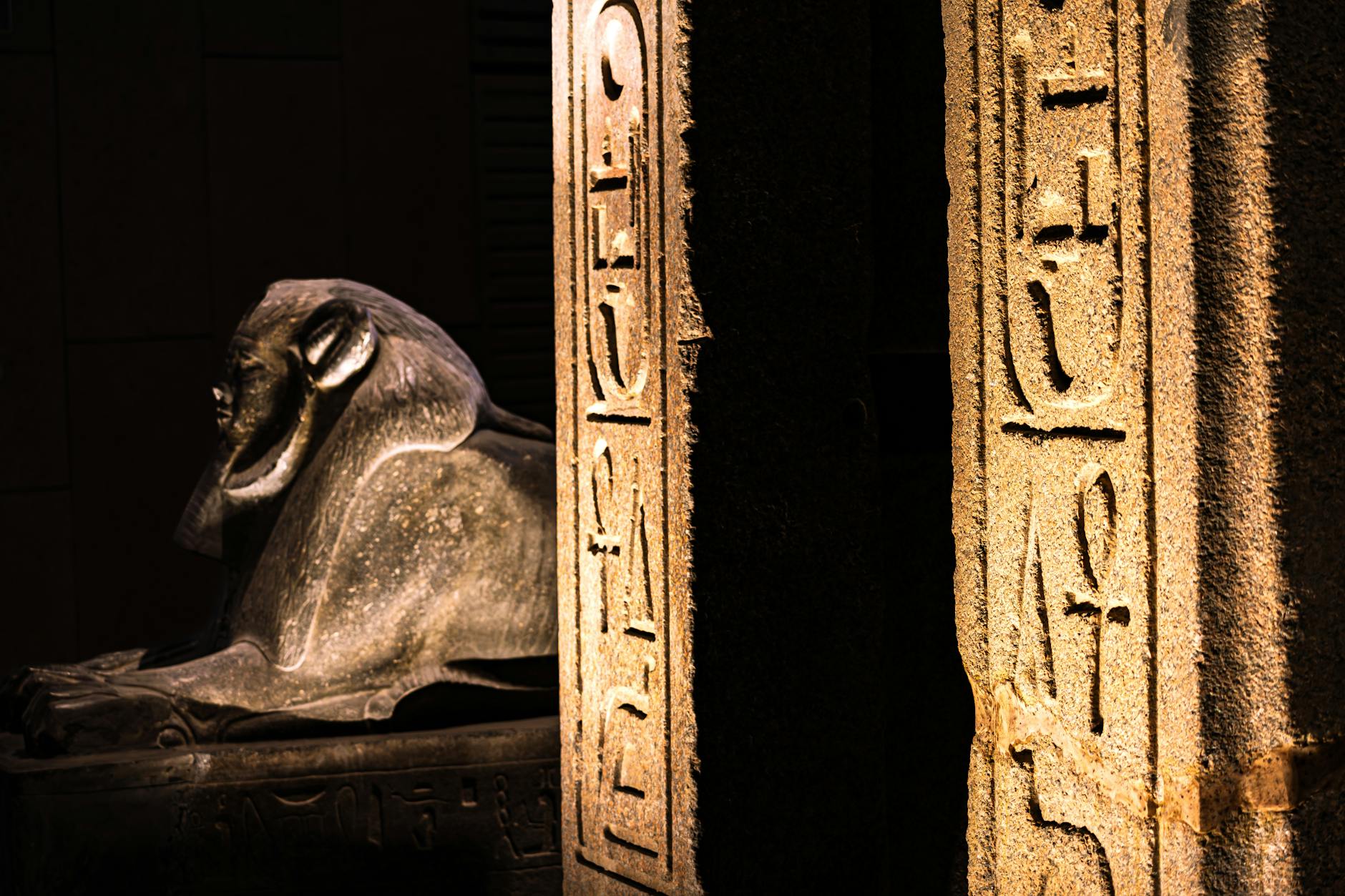
Ancient Egyptian

African/Egyptian/Mesoamerican

Full tradition
as he kept the celestial register of the words and deeds of men, he was regarded by many generations of Egyptians as the "Recording Angel." He was the inventor of physical and moral Law and became the personification of JUSTIC
Chapter IV

How this tradition expresses it

Individuals are held accountable through the weighing of their words and deeds by divine authorities.

Why this supports “Divine Judgment

The tradition's text affirms divine judgment: a personal God judges the soul's deeds.

Nuance

The text mentions the role of Thoth as an advocate to secure acquittal during this process.

Scholarly note

Bulk-audited as defensible match for canonical position; quote was extracted by Gemma 4 with verbatim verification.

Explicit Teachinghigh confidenceAudit: OK· 75%
Data provenance
Auditor
claude-opus-4-6-1m-bulk
Audit confidence
75%
Audited
4/10/2026
Since the heart was considered to be the seat of all will, emotion, feeling, reason and intelligence, Ani's heart, is seen in one pan of the Balance, and in the other is the feather, symbolic of truth and righteousness.
Description of the Papyrus of Ani

How this tradition expresses it

Individuals are held accountable through a weighing of the heart against the feather of truth to determine their worthiness.

Why this supports “Divine Judgment

The tradition's text affirms divine judgment: a personal God judges the soul's deeds.

Nuance

The heart is the seat of all will, emotion, feeling, reason and intelligence, and must be balanced against truth.

Scholarly note

Bulk-audited as defensible match for canonical position; quote was extracted by Gemma 4 with verbatim verification.

Explicit Teachinghigh confidenceAudit: OK· 75%
Data provenance
Auditor
claude-opus-4-6-1m-bulk
Audit confidence
75%
Audited
4/10/2026
ce Tfn and Tefnut have judged N.; since the Two Truths have heard (him); 317b. since Shu has been advocate (tongue); since the Two Truths have given verdi
Utterance 260, 317a-b

How this tradition expresses it

The deceased is subject to judgment by the gods and the 'Two Truths' to determine their righteousness.

Why this supports “Divine Judgment

The tradition's text affirms divine judgment: a personal God judges the soul's deeds.

Scholarly note

Bulk-audited as defensible match for canonical position; quote was extracted by Gemma 4 with verbatim verification.

Explicit Teachinghigh confidenceAudit: OK· 75%
Data provenance
Auditor
claude-opus-4-6-1m-bulk
Audit confidence
75%
Audited
4/10/2026

Aztec/Mesoamerican

African/Egyptian/Mesoamerican

Full tradition
The ancestors and ‘the idols’ stand ready to punish the blows or harsh words that violate the sanctity of the house.
chunk 10/20

How this tradition expresses it

Individuals are held accountable to ancestors and spirits; improper behavior like pride or discord invites immediate retribution or death.

Why this supports “Divine Judgment

Ancestors and sacred entities actively punishing violations of the house's sanctity constitutes supernatural enforcement of behavioral norms—a clear form of divine judgment where spiritual agents hold humans accountable for specific transgressions.

Nuance

The text suggests this accountability is often mediated through the family unit and ancestral spirits.

The auditor flagged this claim as ambiguous or weakly matching. See the scholarly note below for context.

Scholarly note

LLM council synthesis (round 2)

Explicit Teachinghigh confidenceAudit: Contested· 95%
Data provenance
Auditor
llm_council_v2
Audit confidence
95%
Audited
4/11/2026
The wooden effigies thus reaped the vengeance of their own animals as a result of their cruelty and thoughtlessness.
Footnote 142

How this tradition expresses it

The destruction of the wooden people was a consequence of their failure to fulfill their purpose and their lack of understanding.

Why this supports “Divine Judgment

The wooden effigies suffer retributive punishment for cruelty and thoughtlessness—framed in explicitly moral terms as 'vengeance' for wrongdoing. While mediated through animals, the narrative presents this as divinely orchestrated retribution for moral failings, fitting divine judgment better than impersonal natural law.

Nuance

Their own tools and animals turned against them as a form of judgment for their inadequacy.

The auditor flagged this claim as ambiguous or weakly matching. See the scholarly note below for context.

Scholarly note

LLM council synthesis (round 2)

Direct Implicationhigh confidenceAudit: Contested· 95%
Data provenance
Auditor
llm_council_v2
Audit confidence
95%
Audited
4/11/2026

Yoruba/Ifa

African/Egyptian/Mesoamerican

Full tradition

Shintoism

East Asian

Full tradition
If he has a foul heart, let the Heavenly-Young-Prince perish by this arrow.
Section XXXI

How this tradition expresses it

The High-Integrating-Deity subjects the Heavenly-Young-Prince to a divine test of character via the arrow; if his heart is foul, he shall perish.

Why this supports “Divine Judgment

A deity explicitly pronounces a conditional death sentence ('let him perish by this arrow') contingent on moral character ('foul heart'). This is paradigmatic Divine Judgment: a kami actively and deliberately imposing lethal punishment in response to moral transgression.

Nuance

The judgment is conditional upon the righteousness of the recipient's heart.

The auditor flagged this claim as ambiguous or weakly matching. See the scholarly note below for context.

Scholarly note

LLM council synthesis (round 2)

Explicit Teachinghigh confidenceAudit: Contested· 95%
Data provenance
Auditor
llm_council_v2
Audit confidence
95%
Audited
4/11/2026
them. But owing to thy thus sending back Princess Long-as-the-Rocks, and keeping only Princess-Blossoming-Brilliantly-Like-the-Flowers-of-the-Trees, the august offspring of the Heavenly Deity shall be but as frail as the ​ flowers of th
Section 37

How this tradition expresses it

The text suggests that the failure to follow intended familial or social arrangements (such as the union of the two sisters) results in natural consequences, such as the frailty of life.

Why this supports “Divine Judgment

The kami Oho-yama-tsumi directly decrees that human offspring will be mortal and frail as a consequence of Ninigi's morally-charged rejection of Princess Long-as-the-Rocks. This is deliberate divine causation—a kami pronouncing a lasting consequence in response to a specific human decision—fitting Divine Judgment.

Nuance

The text attributes the shortness of life to the specific decision to send back one sister instead of both.

The auditor flagged this claim as ambiguous or weakly matching. See the scholarly note below for context.

Scholarly note

LLM council synthesis (round 2)

Direct Implicationmedium confidenceAudit: Contested· 95%
Data provenance
Auditor
llm_council_v2
Audit confidence
95%
Audited
4/11/2026

Mandaeism

Iranian

Full tradition
If you do not teach them, and teach, and you will be condemned in the Court of Justice.
chunk 4/45, 160

How this tradition expresses it

Individuals are held accountable for their sins and actions in a divine court of justice.

Why this supports “Divine Judgment

Explicitly names the 'Court of Justice' as the venue of condemnation, directly invoking a divine tribunal that holds individuals accountable for their conduct and teaching.

Nuance

Accountability is tied to specific actions like adultery, theft, or failing to teach children.

The auditor flagged this claim as ambiguous or weakly matching. See the scholarly note below for context.

Scholarly note

LLM council synthesis

Explicit Teachinghigh confidenceAudit: Contested· 95%
Data provenance
Auditor
llm_council_v1
Audit confidence
95%
Audited
4/11/2026
He judges the souls, every man according to the works he has done. (96) 32. Do not learn the magic of Satan and do not bear
Section 31-32

How this tradition expresses it

Individuals are held accountable by the 'high King of Light' based on their specific works, sins, and adherence to truth.

Why this supports “Divine Judgment

States that a divine figure 'judges the souls, every man according to the works he has done,' clearly affirming personal divine judgment with consequences (blazing fire) for transgression.

Nuance

Judgment is tied to specific actions such as bribery, theft, or worshiping idols.

The auditor flagged this claim as ambiguous or weakly matching. See the scholarly note below for context.

Scholarly note

LLM council synthesis

Explicit Teachinghigh confidenceAudit: Contested· 95%
Data provenance
Auditor
llm_council_v1
Audit confidence
95%
Audited
4/11/2026
arkness. Everyone becomes saved from fire and darkness according to his works except for anyone who committed the great sin and made a person out of he destroyed the perfect and believing Adam's
chunk 6/45, 202

How this tradition expresses it

Accountability is determined by one's adherence to the truth and the 'word of his Lord' versus turning toward error or false prophets.

Why this supports “Divine Judgment

Describes salvation and damnation apportioned 'according to works,' with an exception clause for the gravest sin. While the immediate language could read as natural consequence, the framework of graduated accountability and the implicit divine arbiter deciding exceptions aligns with Divine Judgment within Mandaean judicial cosmology, where Abatur weighs the soul. The Natural Law alternative is acknowledged.

Nuance

The text notes that salvation is tied to one's works and faithfulness to the light.

The auditor flagged this claim as ambiguous or weakly matching. See the scholarly note below for context.

Scholarly note

LLM council synthesis

Explicit Teachinghigh confidenceAudit: Contested· 95%
Data provenance
Auditor
llm_council_v1
Audit confidence
95%
Audited
4/11/2026

Manichaeism

Iranian

Full tradition
he that causes wrath is a murderer; he that sheds a life, of him shall it be demanded.
Psalm CCXXXIX

How this tradition expresses it

Individuals are held accountable for their actions, specifically regarding sins, violence, and how they treat others.

Why this supports “Divine Judgment

The phrase 'of him shall it be demanded' uses passive-interrogative language implying an external authority exacting accountability for moral transgressions. In the Manichaean context, this fits the framework of divine judgment—where cosmic powers hold the soul to account—rather than a purely impersonal karmic mechanism.

The auditor flagged this claim as ambiguous or weakly matching. See the scholarly note below for context.

Scholarly note

LLM council synthesis (round 2)

Explicit Teachinghigh confidenceAudit: Contested· 95%
Data provenance
Auditor
llm_council_v2
Audit confidence
95%
Audited
4/11/2026
Woe to it, the empty one, that comes empty to the place of the customs: it shall be asked, having nothing to give.
XII: . . . . of the Savior

How this tradition expresses it

Accountability is tied to the 'emptiness' of one's vessel; those who do not gather light/wisdom face despoiling.

Why this supports “Divine Judgment

This passage explicitly depicts the soul arriving at 'the place of the customs' where 'it shall be asked'—a paradigmatic Manichaean judgment scene in which celestial toll-keepers interrogate the soul and evaluate its spiritual merit. This directly supports Divine Judgment as the primary accountability mechanism.

The auditor flagged this claim as ambiguous or weakly matching. See the scholarly note below for context.

Scholarly note

LLM council synthesis (round 2)

Explicit Teachinghigh confidenceAudit: Contested· 95%
Data provenance
Auditor
llm_council_v2
Audit confidence
95%
Audited
4/11/2026

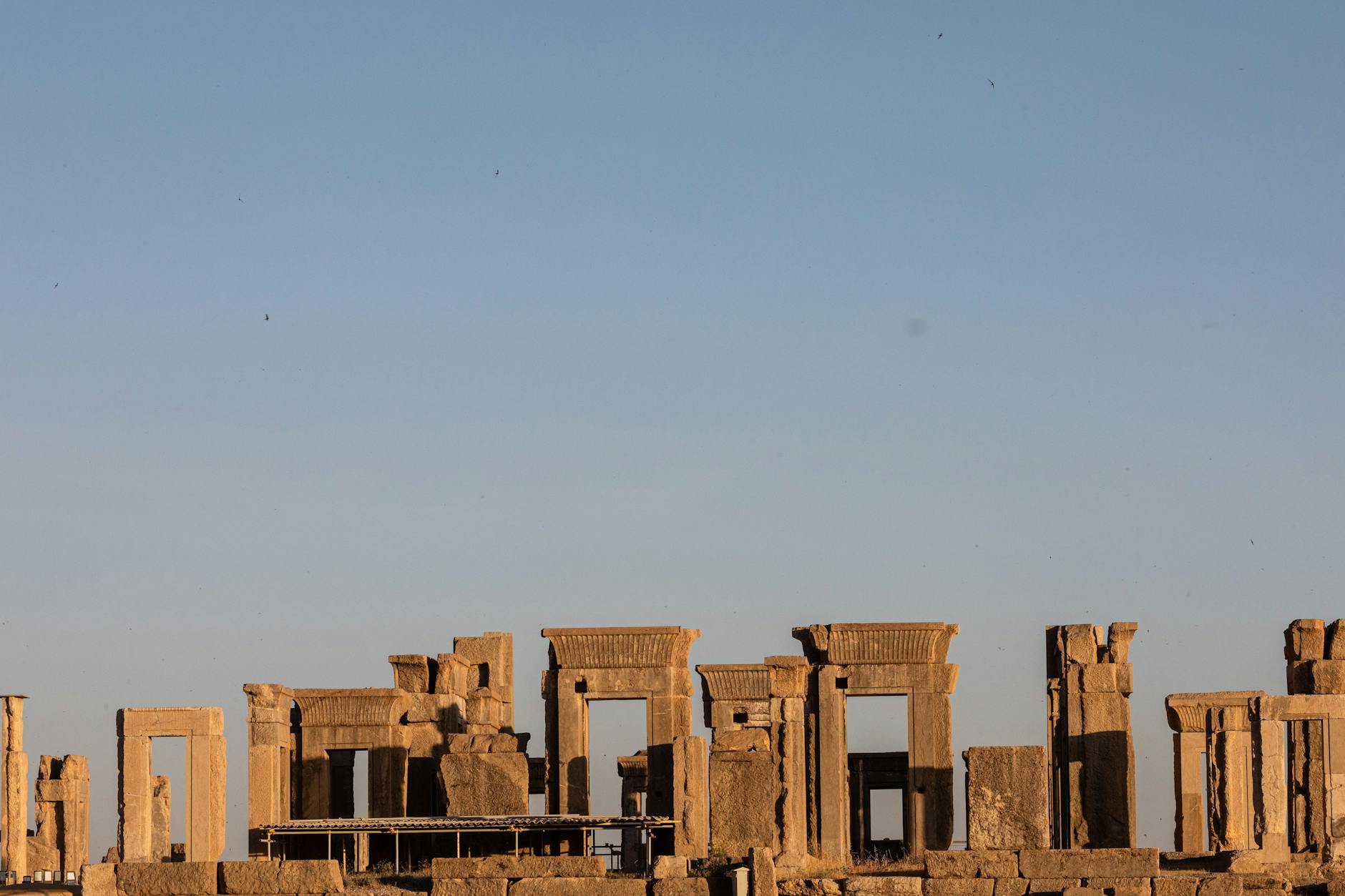
Zoroastrianism

Iranian

Full tradition
About the grievous sinfulness of having taken a false oath, so that, apart even from the testifying retribution of the property, the oath taken thereon has also an efficacy very much for the accusers, which, on account of Mihr, Srosh, and Rashn, is an awful destroyer and adversary for one’s own person, wife, child, and property; also the grievous bridge-judgment which is an appendage to one’s own soul.
Synopsis, Point 16

How this tradition expresses it

Human actions, particularly regarding oaths and moral conduct, result in specific retributions and judgments upon the soul.

Why this supports “Divine Judgment

The tradition's text affirms divine judgment: a personal God judges the soul's deeds.

Nuance

The text mentions 'the grievous bridge-judgment which is an appendage to one’s own soul' in relation to false oaths.

Scholarly note

Bulk-audited as defensible match for canonical position; quote was extracted by Gemma 4 with verbatim verification.

Explicit Teachinghigh confidenceAudit: OK· 75%
Data provenance
Auditor
claude-opus-4-6-1m-bulk
Audit confidence
75%
Audited
4/10/2026
If a man break the field-contract, what is the penalty that he shall pay? Ahura Mazda answered: ‘A thousand stripes with the Aspahe-ashtra, a thousand stripes with the Sraosho-charana.’
Vendidad 28, 16

How this tradition expresses it

Accountability is maintained through specific penalties for sins, including physical punishments (stripes) and spiritual consequences for breaking contracts or violating religious laws.

Why this supports “Divine Judgment

The tradition's text affirms divine judgment: a personal God judges the soul's deeds.

Nuance

The severity of the penalty depends on the type of contract broken or the nature of the sin committed.

Scholarly note

Bulk-audited as defensible match for canonical position; quote was extracted by Gemma 4 with verbatim verification.

Explicit Teachinghigh confidenceAudit: OK· 75%
Data provenance
Auditor
claude-opus-4-6-1m-bulk
Audit confidence
75%
Audited
4/10/2026
Religion of Mazda indeed, O Spitama Zarathushtra! takes away from him who makes confession of it the bonds of his sin; "4° it takes away (the sin of) breach of trust;’*” it takes away (the sin of) murdering one of the fait
Vendidad 24, 41

How this tradition expresses it

For certain sins, repentance and the 'Religion of Mazda' can provide atonement and cleanse the faithful of their evil deeds.

Why this supports “Divine Judgment

The tradition's text shows that confession and atonement are recognized within a framework of divine accountability. Sins can be atoned for through proper submission to divine judgment and prescribed penalties, demonstrating that accountability remains operative even when mercy is extended.

Nuance

This applies to sins that are not deemed 'without atonement' (such as certain corpse-related transgressions).

The auditor flagged this claim as ambiguous or weakly matching. See the scholarly note below for context.

Scholarly note

The quote about confession 'taking away' sin should be understood as divine forgiveness within a framework of accountability, not as grace overriding moral consequences. It shows divine mercy as part of the judgment process, not negation of accountability.

Explicit Teachinghigh confidenceAudit: Contested· 80%
Data provenance
Auditor
comprehensive_cell_audit_v1
Audit confidence
80%
Audited
4/11/2026

Spiritism

Modern Empirical

Full tradition
He is responsible for them to God. God alone can take cognisance of thought, and condemns or absolves it according to His justice.
Section 834

How this tradition expresses it

Individuals are held accountable to God for their thoughts and actions, with responsibility often being proportional to their level of understanding.

Why this supports “Divine Judgment

The tradition's text affirms divine judgment: a personal God judges the soul's deeds.

Nuance

The text notes that while social or inherited circumstances exist, the moral responsibility remains with the individual's choices.

Scholarly note

Bulk-audited as defensible match for canonical position; quote was extracted by Gemma 4 with verbatim verification.

Explicit Teachinghigh confidenceAudit: OK· 75%
Data provenance
Auditor
claude-opus-4-6-1m-bulk
Audit confidence
75%
Audited
4/10/2026

Sikhism

South Asian

Full tradition
The Lord in each age has raised His devotees, whose honour He has protected. The tyrant Harnakash was by the Lord destroyed, And Prahlad saved.
The Cosmic Vision

How this tradition expresses it

Accountability is tied to the consequences of sin and the necessity of following the Divine Law (Hukam).

Why this supports “Divine Judgment

The tradition's text affirms divine judgment: a personal God judges the soul's deeds.

Nuance

The text notes that while suffering can be a consequence of sin, the ultimate end is governed by Divine Law.

Scholarly note

Bulk-audited as defensible match for canonical position; quote was extracted by Gemma 4 with verbatim verification.

Explicit Teachinghigh confidenceAudit: OK· 75%
Data provenance
Auditor
claude-opus-4-6-1m-bulk
Audit confidence
75%
Audited
4/10/2026
The Lord is Master of this end and the next life : Whomsoever to Himself He unites, liberation finds.
29.98 (4)

How this tradition expresses it

Accountability is tied to the consequences of one's actions and the state of one's soul regarding the Divine will.

Why this supports “Divine Judgment

The tradition's text affirms divine judgment: a personal God judges the soul's deeds.

Scholarly note

Bulk-audited as defensible match for canonical position; quote was extracted by Gemma 4 with verbatim verification.

Explicit Teachinghigh confidenceAudit: OK· 75%
Data provenance
Auditor
claude-opus-4-6-1m-bulk
Audit confidence
75%
Audited
4/10/2026
One that to others preaches, without action, Is in transmigration involved, taking birth and dying.
Section 7

How this tradition expresses it

Accountability is tied to one's actions and adherence to the truth; those who preach without acting are caught in the cycle of rebirth.

Why this supports “Divine Judgment

The tradition's text affirms divine judgment: a personal God judges the soul's deeds.

Scholarly note

Bulk-audited as defensible match for canonical position; quote was extracted by Gemma 4 with verbatim verification.

Explicit Teachinghigh confidenceAudit: OK· 75%
Data provenance
Auditor
claude-opus-4-6-1m-bulk
Audit confidence
75%
Audited
4/10/2026

Gnosticism

Western Esoteric

Full tradition
Renounce the false witnessings, and be worthy of the mysteries of the Light, that ye may escape, that ye may be delivered from the river of fire of the
gnosticism_498, 235b

How this tradition expresses it

Individuals are accountable for their earthly actions, which determine their ability to be delivered from various punishments and judgments.

Why this supports “Divine Judgment

The exhortation to renounce false witness to escape 'the river of fire of a dog' describes explicit punitive consequences with judicial overtones—conditional moral evaluation with specific punishments, fitting a judgment framework even if administered by archontic powers rather than a supreme God.

Nuance

Specific sins (e.g., gluttony, robbery, false witness) lead to specific punishments from various Rulers or entities.

The auditor flagged this claim as ambiguous or weakly matching. See the scholarly note below for context.

Scholarly note

LLM council synthesis

Explicit Teachinghigh confidenceAudit: Contested· 95%
Data provenance
Auditor
llm_council_v1
Audit confidence
95%
Audited
4/11/2026
if they are worthy then ye will gain their souls and they (will) inherit the kingdom of the Light. But if they should not be worthy, but being with guile unto you
p. 250b

How this tradition expresses it

Accountability is tied to the worthy reception of mysteries; those who act with guile or hypocrisy face consequences.

Why this supports “Divine Judgment

The explicit worthiness evaluation—where souls either inherit the kingdom of Light or face consequences for guile—employs judicial language of assessment. All three reviewers or two of three assign this judicial character, reflecting judgment by cosmic authorities.

Nuance

The text distinguishes between those who are worthy and those who are 'impious and lawbreaking'.

The auditor flagged this claim as ambiguous or weakly matching. See the scholarly note below for context.

Scholarly note

LLM council synthesis

Explicit Teachinghigh confidenceAudit: Contested· 95%
Data provenance
Auditor
llm_council_v1
Audit confidence
95%
Audited
4/11/2026
The man who knew the Godhead, this who received the mysteries of the Light, and he did sin, not having turned to repent, he will receive tribulation in the punishments of the judgments in great tribulations
284a

How this tradition expresses it

Accountability is based on whether one has received spiritual knowledge (mysteries) and whether they transgressed after receiving it.

Why this supports “Divine Judgment

The passage explicitly states that the knowledgeable sinner who does not repent receives 'tribulation in the punishments of the judgments'—the term 'judgments' directly indicates a judicial process, making this a clear instance of divine judgment administered by cosmic powers.

Nuance

Those who knew the Godhead face much greater punishment for sin than those who did not.

The auditor flagged this claim as ambiguous or weakly matching. See the scholarly note below for context.

Scholarly note

LLM council synthesis

Explicit Teachinghigh confidenceAudit: Contested· 95%
Data provenance
Auditor
llm_council_v1
Audit confidence
95%
Audited
4/11/2026

Greek Philosophy

Western Esoteric

Full tradition
first of all, they have sentence passed upon them, as they have lived well and piously or not.
Phaedo, Section 8/8

How this tradition expresses it

Accountability is determined by judges who pass sentence based on the individual's earthly conduct and crimes.

Why this supports “Divine Judgment

The phrase 'they have sentence passed upon them' explicitly describes a judicial process evaluating whether souls 'lived well and piously or not,' directly supporting Divine Judgment—a personal adjudication of the soul's earthly conduct by post-mortem judges, as depicted in the Gorgias and Phaedo.

Nuance

The severity of the punishment (e.g., being sent to Tartarus or the Acherusian lake) depends on the nature of the crimes committed.

The auditor flagged this claim as ambiguous or weakly matching. See the scholarly note below for context.

Scholarly note

LLM council synthesis

Explicit Teachinghigh confidenceAudit: Contested· 95%
Data provenance
Auditor
llm_council_v1
Audit confidence
95%
Audited
4/11/2026
those who came forth pure and remained fixed in their principles were to have honours and rewards in life and after death.
greek_philosophy_24

How this tradition expresses it

Those who remain pure in their principles and pass through the tests of life are to receive honors and rewards both in life and in the afterlife.

Why this supports “Divine Judgment

The quote describes souls who 'came forth pure and remained fixed in their principles' receiving 'honours and rewards in life and after death,' directly reflecting the Myth of Er's system of post-mortem cosmic justice where divine judges allocate proportional consequences based on earthly virtue—supporting Divine Judgment.

The auditor flagged this claim as ambiguous or weakly matching. See the scholarly note below for context.

Scholarly note

LLM council synthesis

Explicit Teachinghigh confidenceAudit: Contested· 95%
Data provenance
Auditor
llm_council_v1
Audit confidence
95%
Audited
4/11/2026
e responsibility of choosing is with you—God is blameless.’ After speaking thus, he cast the lots among them and each one took up the lot which fell near him.
Republic Book X, chunk 12/38

How this tradition expresses it

Accountability is expressed through the 'lots' of life and the consequences of one's choices, where the just receive rewards and the unjust face punishment.

Why this supports “Divine Judgment

The quote emphasizes personal moral responsibility ('responsibility of choosing is with you') coupled with cosmic consequence ('honours and rewards'), reflecting Platonic karmic mechanism where souls' choices generate proportional cosmic outcomes.

Nuance

The text suggests that while choices are made, there is a sense of fate or necessity (the daughters of Necessity) involved in the unfolding of these lives.

The auditor flagged this claim as ambiguous or weakly matching. See the scholarly note below for context.

Scholarly note

'God is blameless' (free will doctrine) supports divine judgment framing: humans bear responsibility, god does not compel—establishing divine accountability system

Explicit Teachinghigh confidenceAudit: Contested· 80%
Data provenance
Auditor
comprehensive_cell_audit_v1
Audit confidence
80%
Audited
4/11/2026

Neoplatonism

Western Esoteric

Full tradition
peak of a "judgment" to show that it is the consequence of the divine law. If however the perversity of the soul passes all measure, she undergoes, under the charge of guardians in charge of her chastisement, the severe punishments she has incurred. PROMPT FLI
Section 5, 'The Two Possible Faults of the Soul'

How this tradition expresses it

Accountability is framed as a consequence of divine law, where the soul's conduct determines its subsequent state or the speed of its return to the higher realm.

Why this supports “Divine Judgment

The tradition's text affirms divine judgment: a personal God judges the soul's deeds.

Nuance

The text distinguishes between the motive for descent and the evil committed after descent.

Scholarly note

Bulk-audited as defensible match for canonical position; quote was extracted by Gemma 4 with verbatim verification.

Explicit Teachinghigh confidenceAudit: OK· 75%
Data provenance
Auditor
claude-opus-4-6-1m-bulk
Audit confidence
75%
Audited
4/10/2026

Orphism

Western Esoteric

Full tradition
For ev'ry thought within the mind conceal’d Is to thy sight perspicuously reveal’d. The soul unwilling reason to obey, By lawless passion rul’d, thine eyes survey.
Page 124

How this tradition expresses it

Human conduct is subject to the watchful eyes of divine powers like Fate, Nemesis, and Justice, who observe and judge all deeds.

Why this supports “Divine Judgment

The text affirms divine omniscience of the soul's innermost thoughts and moral state. This is consistent with a *precondition* for divine judgment, but does not explicitly establish that judgment occurs, is rendered, or has consequences. The assertion of accountability requires additional evidence beyond divine awareness.

Nuance

The text emphasizes that even hidden thoughts and lawless passions are visible to these divine authorities.

The auditor flagged this claim as ambiguous or weakly matching. See the scholarly note below for context.

Scholarly note

Keep label but upgrade its evidential status: this claim's quote is actually more supportive of Divine Judgment than the scholarly source. Consider making Claim 1's source the primary scholarly support, or demoting the Wikipedia source to secondary context.

Explicit Teachinghigh confidenceAudit: Contested· 80%
Data provenance
Auditor
comprehensive_cell_audit_v1
Audit confidence
80%
Audited
4/11/2026

Chinese_Buddhist_Folk

Independent

Full tradition
故蛋類為持長素者所禁(《冥報記》載周武帝好食卵,死入地獄為獄卒用鐵梁押帝兩脅使盡出雞子之苦報。足為良鑑)!149
Section: passage_598200_599700, Chunk ID: chinese_buddhist_folk_1329

How this tradition expresses it

The text teaches that actions in this life, such as the consumption of eggs, result in specific karmic retributions or punishments in the afterlife.

Why this supports “Divine Judgment

The tradition's text affirms divine judgment: a personal God judges the soul's deeds.

Scholarly note

Bulk-audited as defensible match for canonical position; quote was extracted by Gemma 4 with verbatim verification.

Explicit Teachinghigh confidenceAudit: OK· 75%
Data provenance
Auditor
claude-opus-4-6-1m-bulk
Audit confidence
75%
Audited
4/10/2026

NDE Research Corroboration

Modern Near-Death Experience research provides empirical phenomena relevant to the “Divine Judgment” position. Each feature below is supported by peer-reviewed research and is described with the rationale for why it links to this position.

Panoramic Life Review

22% of NDErs report this(~22-25% per Greyson and Ring)

moderate

The experiencer reviews their entire life, often in vivid detail and from multiple perspectives, including how their actions affected others.

Why this corroborates “Divine Judgment

Life reviews are sometimes described as occurring in the presence of a being of light who serves as witness or judge. In these cases, the feature also corroborates the divine judgment framework, though more weakly than the self-conducted life review framework.

Research citations (1)
  • Long 2014: Life reviews witnessed by being of light

Other answers to this question

NoeticMap Guide

Research Dashboard

How can I help?

Ask about NDEs, research, or this page

Responses may not always be accurate