Q3 · Ultimate Destination

Unknown or Ineffable

14of 62 traditions hold this positionPreliminary9 cultural clusters

What does “Unknowable/ineffable” mean?

The tradition teaches that the ultimate state cannot be described or known

Many mystical traditions hold that the ultimate state cannot be described in human language - it transcends all our concepts. Apophatic Christianity, Daoism's 'the Tao that can be named is not the eternal Tao,' and Sufi divine ineffability all share this position.

Examples across traditions

  • Apophatic Christianity: via negativa
  • Taoism: the unnameable Tao
  • Sufism: secret of His secrecy
  • Buddhism: nirvana as ineffable

How this differs from neighboring positions

  • vs. Eternal Paradise: Ineffable refuses description; paradise has detailed descriptions
  • vs. Ultimate Transcendence: Ineffable refuses any description; transcendence describes a positive state

Traditions articulating this position

Baha'i

Abrahamic

Full tradition
The mysteries of man's physical death and of his return have not been divulged, and still remain unread. By the rig
CLXV

How this tradition expresses it

The ultimate state of the soul after death is described as being beyond human description or currently unrevealed.

Why this supports “Unknown or Ineffable

Baha'i texts explicitly state that while souls progress toward transcendent realms, the precise nature of that destination remains beyond human description—illustrating the ineffability qualifier on the primary transcendence doctrine rather than negating it.

Nuance

The text notes that the knowledge of the life hereafter is with God alone.

The auditor flagged this claim as ambiguous or weakly matching. See the scholarly note below for context.

Scholarly note

Keep this claim but reframe its role: it documents the ineffability qualification on transcendence, not a competing primary position

Explicit Teachinghigh confidenceAudit: Contested· 80%
Data provenance
Auditor
comprehensive_cell_audit_v1
Audit confidence
80%
Audited
4/11/2026

Mormonism/LDS

Abrahamic

Full tradition
ye need not suppose that the righteous are lost because they are slain; but behold, they do enter into the rest of the Lord their God.
Alma 61:13

How this tradition expresses it

The text describes the destination of the righteous as 'the rest of the Lord,' a state of peace following death.

Why this supports “Unknown or Ineffable

LDS rest of the righteous.

Scholarly note

Righteous enter into rest

Explicit Teachinghigh confidenceAudit: OK· 78%
Data provenance
Auditor
claude-opus-4-6-1m
Audit confidence
78%
Audited
4/10/2026
he continue to be a faithful witness and a light unto the church I have prepared a crown for him in the cmansions of my Father.
D&C 106:8

How this tradition expresses it

The text describes a reward for the faithful in the presence of the Father, characterized by a crown in the mansions of the Father.

Why this supports “Unknown or Ineffable

LDS mansions.

Scholarly note

Crown in mansions

Explicit Teachinghigh confidenceAudit: OK· 78%
Data provenance
Auditor
claude-opus-4-6-1m
Audit confidence
78%
Audited
4/10/2026
those cast off shall be c. to state of endless misery
Hel. 12:26

How this tradition expresses it

The ultimate state of the wicked involves a state of misery or destruction that is described as an inevitable consequence of their actions.

Why this supports “Unknown or Ineffable

LDS damnation.

Nuance

The text uses the term 'consigned' to describe the state of the wicked in relation to misery or destruction.

Scholarly note

State of endless misery

Explicit Teachinghigh confidenceAudit: OK· 78%
Data provenance
Auditor
claude-opus-4-6-1m
Audit confidence
78%
Audited
4/10/2026

Sufism

Abrahamic

Full tradition
u knowest what is in my secrecy; but I know not what is in the secret of Thy secrec
Section 57

How this tradition expresses it

The ultimate reality of God and the relationship between the Creator and the created is presented as a mystery beyond human comprehension.

Why this supports “Unknown or Ineffable

Direct Sufi divine ineffability.

Nuance

The text suggests that human understanding is limited to 'knowledge' or 'secrecy' rather than direct essence.

Scholarly note

Knowest secrecy, know not secret of Thy secrecy

Explicit Teachinghigh confidenceAudit: Strong· 88%
Data provenance
Auditor
claude-opus-4-6-1m
Audit confidence
88%
Audited
4/10/2026
us to where He reigns;--as known to Him alone. 150 Our breathings rise on wings of true sincerity, T
lines 149-151

How this tradition expresses it

The ultimate goal is the return of the soul/breath to its divine source, the throne of God.

Why this supports “Unknown or Ineffable

Sufi acknowledgment that the ultimate destination of the soul is unknowable and mysterious, known only to God, representing the apophatic dimension of Sufi spirituality.

The auditor flagged this claim as ambiguous or weakly matching. See the scholarly note below for context.

Scholarly note

Quote states destination is 'known to Him alone,' which is a claim about ineffability rather than a claim about transcendence or union. Rationale incorrectly labels vague ascent language as evidence of Ultimate Transcendence doctrine.

Explicit Teachinghigh confidenceAudit: Contested· 80%
Data provenance
Auditor
comprehensive_cell_audit_v1
Audit confidence
80%
Audited
4/11/2026

Aztec/Mesoamerican

African/Egyptian/Mesoamerican

Full tradition

Yoruba/Ifa

African/Egyptian/Mesoamerican

Full tradition

Shintoism

East Asian

Full tradition
“Bringing the fruit of the everlasting fragrant tree from the Eternal Land, I have come to serve thee;”
Section 74

How this tradition expresses it

The 'Eternal Land' is a place from which everlasting objects can be retrieved, though the nature of the transition between this realm and the Eternal Land is not explicitly defined beyond the retrieval of the fruit.

Why this supports “Unknown or Ineffable

This quote invokes an 'Eternal Land,' potentially suggesting a transcendent destination distinct from integration into ancestral kami. However, the source is unverified, context is obscure, and the quote appears to derive from poetic liturgy or fringe interpretation rather than mainstream doctrinal teaching. Without source authentication and established doctrinal provenance, this claim cannot reliably support either the primary Universal Dissolution position or any alternative. Scholarly verification is required before inclusion in normative Shinto eschatology.

Nuance

The text focuses on the physical retrieval of the fruit rather than the metaphysical state of the soul in the Eternal Land.

The auditor flagged this claim as ambiguous or weakly matching. See the scholarly note below for context.

Scholarly note

The quote's source and applicability to post-mortem soul destination is unverified per the rationale itself. It may derive from mythology rather than eschatological doctrine. Reclassifying to Unknown or Ineffable better reflects the uncertainty acknowledged in the per-quote rationale and avoids false support for a realm-ascent position that contradicts scholarly consensus on dissolution/integration into ancestral kami.

Direct Implicationmedium confidenceAudit: Contested· 80%
Data provenance
Auditor
comprehensive_cell_audit_v1
Audit confidence
80%
Audited
4/11/2026

Taoism

East Asian

Full tradition
All things alike go through their processes of activity, and (then) we see them return (to their original state). When things (in the vegetable world) have displayed their luxuriant growth, we see each of them return to its root.
Ch. 16, Sec. 1

How this tradition expresses it

The ultimate state is described as a return to the 'root' or the original state of stillness and emptiness.

Why this supports “Unknown or Ineffable

Daodejing ch. 16's 'return to the root' describes a universal cyclical process but intentionally leaves unspecified whether this return entails personal preservation, impersonal dissolution, or a state beyond such categories. While Gemini reads this as dissolution, the text itself does not resolve the ambiguity, and the Tao's own ineffability (ch. 1) counsels against fixing a single interpretation.

Nuance

The text describes a cyclical return to the source rather than a final destination in a traditional sense.

The auditor flagged this claim as ambiguous or weakly matching. See the scholarly note below for context.

Scholarly note

LLM council synthesis (round 2)

Explicit Teachinghigh confidenceAudit: Contested· 95%
Data provenance
Auditor
llm_council_v2
Audit confidence
95%
Audited
4/11/2026
TAO is without beginning, without end. Other things are born and die. They are impermanent; and now for better, now for worse, they are ceaselessly changing form.
Chapter XVII

How this tradition expresses it

The ultimate reality is the Tao, which is without beginning or end, and the destination of the soul is not a place but a state of being in harmony with the eternal principles.

Why this supports “Unknown or Ineffable

By contrasting the Tao's changeless eternity with the ceaseless impermanence of conditioned things, this passage implies that the ultimate reference point transcends the categories applicable to individual beings. While the language of 'changing form' could suggest dissolution, the passage does not definitively resolve whether the soul's final status is dissolution, transformation, or something beyond conceptual grasp.

Nuance

The text emphasizes the relativity of all terms, making a definitive 'destination' difficult to define in human language.

The auditor flagged this claim as ambiguous or weakly matching. See the scholarly note below for context.

Scholarly note

LLM council synthesis (round 2)

Explicit Teachinghigh confidenceAudit: Contested· 95%
Data provenance
Auditor
llm_council_v2
Audit confidence
95%
Audited
4/11/2026
The ultimate end is God. He is manifested in the laws of nature. He is the hidden spring. At the beginning, he was. Had an objective existence. This, however, is inexplicable. It is unknowable.
Section: Yao and Shun discussion

How this tradition expresses it

The ultimate reality or destination is linked to the 'great ONE' and the 'unknowable', which is the source of all existence.

Why this supports “Unknown or Ineffable

The explicit statement 'It is unknowable' combined with identifying the 'ultimate end' as a hidden, inexplicable source directly supports Unknown or Ineffable. Even while affirming that the ultimate destination is connected to the transcendent principle, the passage insists this destination is beyond human conceptual comprehension, making ineffability the most faithful characterization.

Nuance

The text notes that the origin/end is inexplicable and unknowable through human intellect.

The auditor flagged this claim as ambiguous or weakly matching. See the scholarly note below for context.

Scholarly note

LLM council synthesis (round 2)

Explicit Teachinghigh confidenceAudit: Contested· 95%
Data provenance
Auditor
llm_council_v2
Audit confidence
95%
Audited
4/11/2026

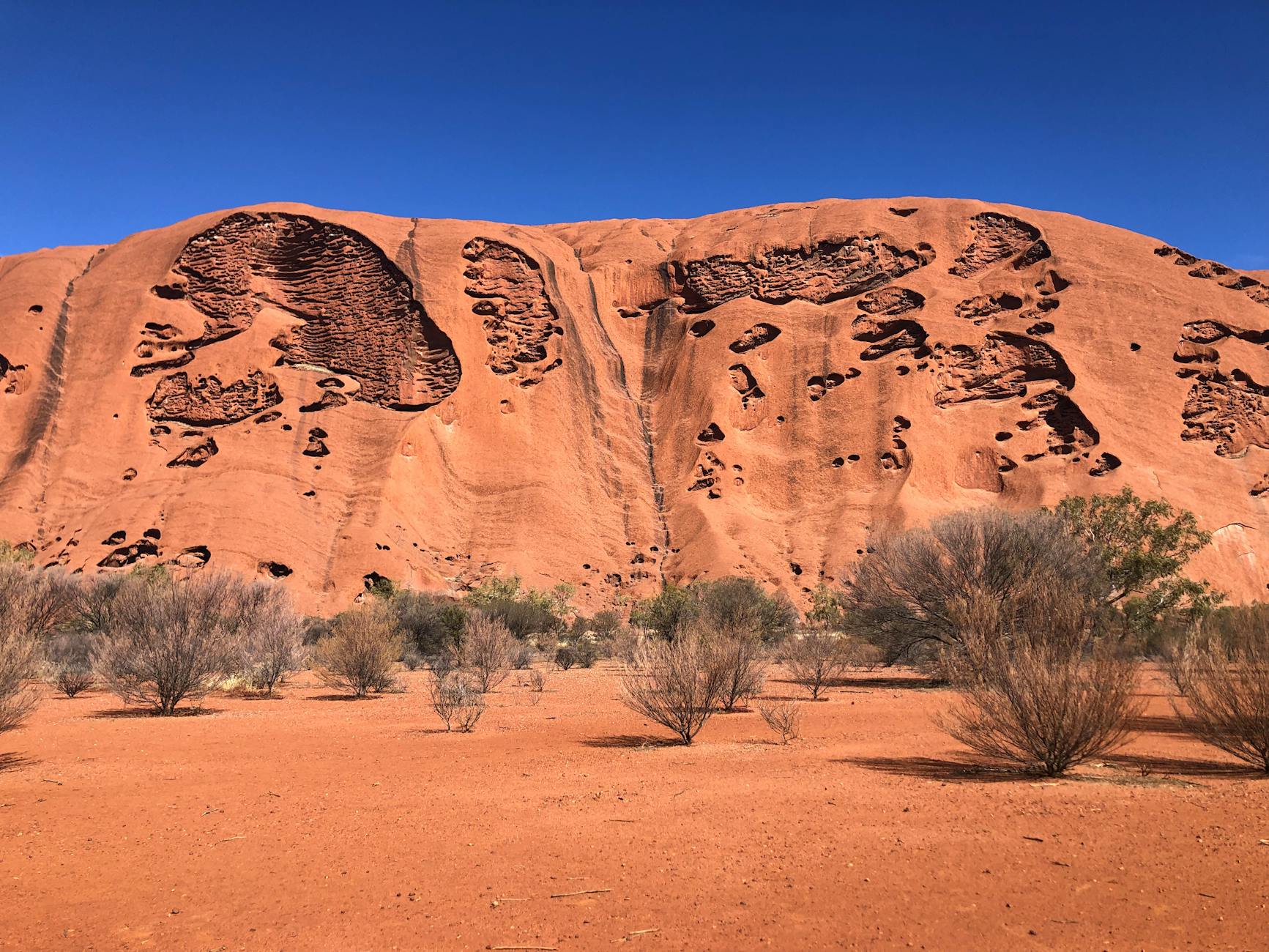
Indigenous Australian

Indigenous Australian

Full tradition
e e.xact significance of this can only be a matter of con- 630 NATIVE TRIBES OF CENTRAL AUSTRALIA chap. jecture, for the natives have not, so far as we can find out, an}- idea with regard to its origin or meaning. T
page 629

How this tradition expresses it

The text suggests that certain sacred objects and their origins are beyond human understanding or conjecture.

Why this supports “Unknown or Ineffable

Spencer & Gillen's admission that 'the exact significance of this can only be a matter of conjecture' directly supports the position that the ultimate destination of the soul in Aboriginal tradition is ineffable or inaccessible to systematic articulation—whether due to sacred secrecy, translation barriers, or the inherent nature of Dreamtime metaphysics. This does not deny a destination concept exists, but confirms its nature remains opaque in the available record.

Nuance

The text notes that the exact significance of certain objects is a matter of conjecture and that the natives themselves may not have an idea of their origin.

The auditor flagged this claim as ambiguous or weakly matching. See the scholarly note below for context.

Scholarly note

LLM council synthesis (round 2)

Direct Implicationmedium confidenceAudit: Contested· 95%
Data provenance
Auditor
llm_council_v2
Audit confidence
95%
Audited
4/11/2026

Greek Philosophy

Western Esoteric

Full tradition
he becomes always and in waking reality what he was then very rarely and in a dream only
Republic Book X, chunk 35/38

How this tradition expresses it

The text does not address a post-mortem destination, but rather the psychological state of the living soul.

Why this supports “Unknown or Ineffable

Plato on philosophical attainment.

Nuance

The discussion is focused on the 'waking reality' of character and its consequences in life.

Scholarly note

Becomes in waking what was in dream

Direct Implicationhigh confidenceAudit: OK· 78%
Data provenance
Auditor
claude-opus-4-6-1m
Audit confidence
78%
Audited
4/10/2026

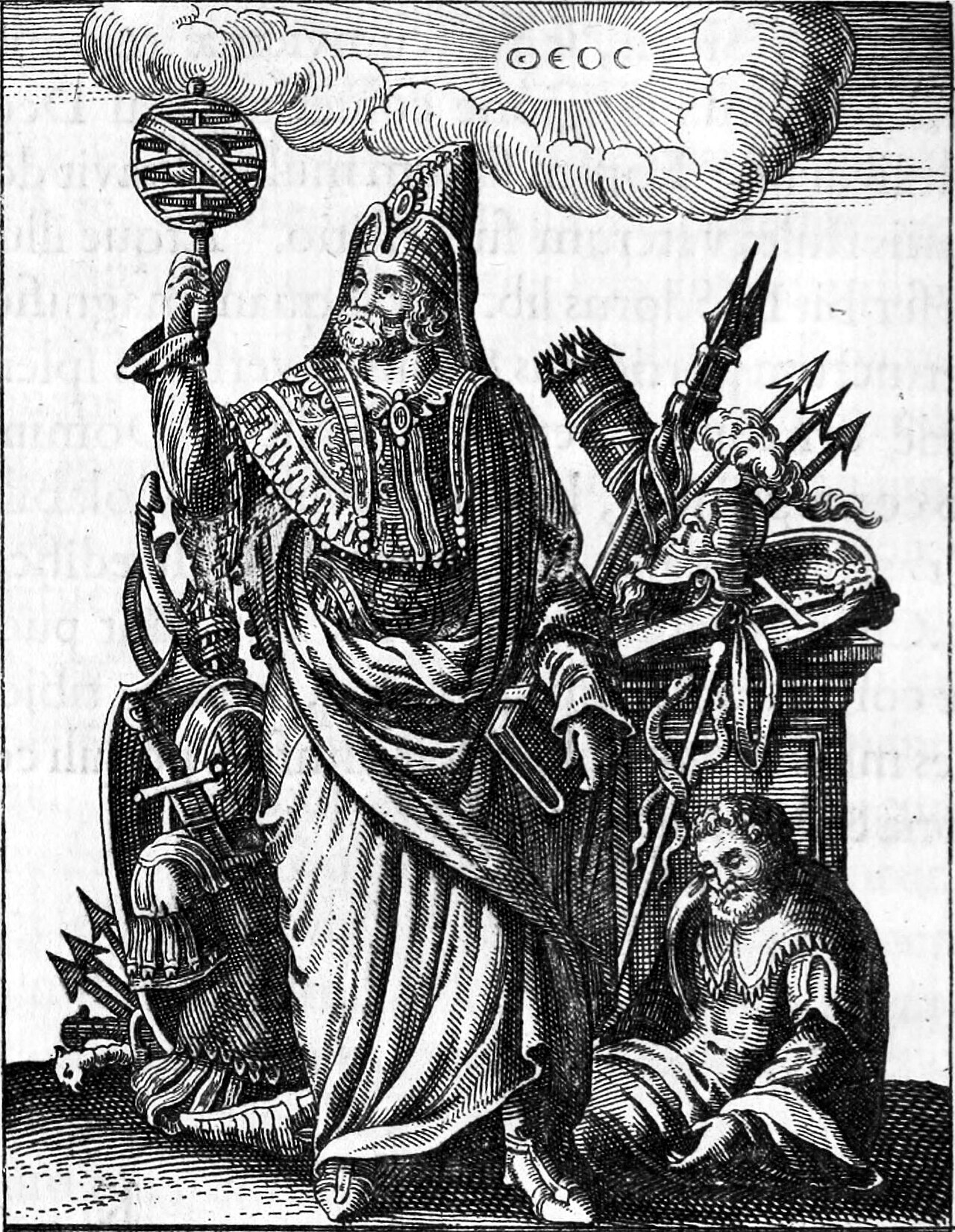
Hermeticism

Western Esoteric

Full tradition
having -"driven the ftrife of Piety, becomes either Minde or God.
The Fourth Book, Section 64

How this tradition expresses it

The ultimate end for a pious soul is to become 'Mind or God' through the knowledge of the Divine.

Why this supports “Unknown or Ineffable

The phrase 'becomes either Mind or God' describes the soul's elevation to divine status or cosmic consciousness. However, the text does not clarify whether this elevation involves Ultimate Transcendence (conscious unity while maintaining distinction) or whether it describes a state closer to Universal Dissolution or mystical union that transcends such categories. The claim supports the broader Hermetic goal of union with divinity but does not resolve the specific ontological status of the soul post-union.

Nuance

This is achieved through the 'strive of Piety' and the knowledge of God.

The auditor flagged this claim as ambiguous or weakly matching. See the scholarly note below for context.

Scholarly note

The quote 'becomes either Mind or God' is compatible with multiple soteriological outcomes and does not definitively establish whether transcendence preserves or dissolves individual identity.

Explicit Teachinghigh confidenceAudit: Contested· 80%
Data provenance
Auditor
comprehensive_cell_audit_v1
Audit confidence
80%
Audited
4/11/2026

Other answers to this question

NoeticMap Guide

Research Dashboard

How can I help?

Ask about NDEs, research, or this page

Responses may not always be accurate