Q3 · Ultimate Destination

Eternal Punishment

2of 62 traditions hold this positionInsufficient data1 cultural clusters

What does “Eternal punishment (for some)” mean?

Some souls face permanent damnation or annihilation

Many traditions teach that not all souls reach a positive ultimate destination - some face eternal punishment, damnation, or annihilation. The specifics vary (eternal hellfire, annihilation, separation from God) but the framework of permanent negative destiny is shared.

Examples across traditions

  • Christianity: eternal damnation for the unrepentant
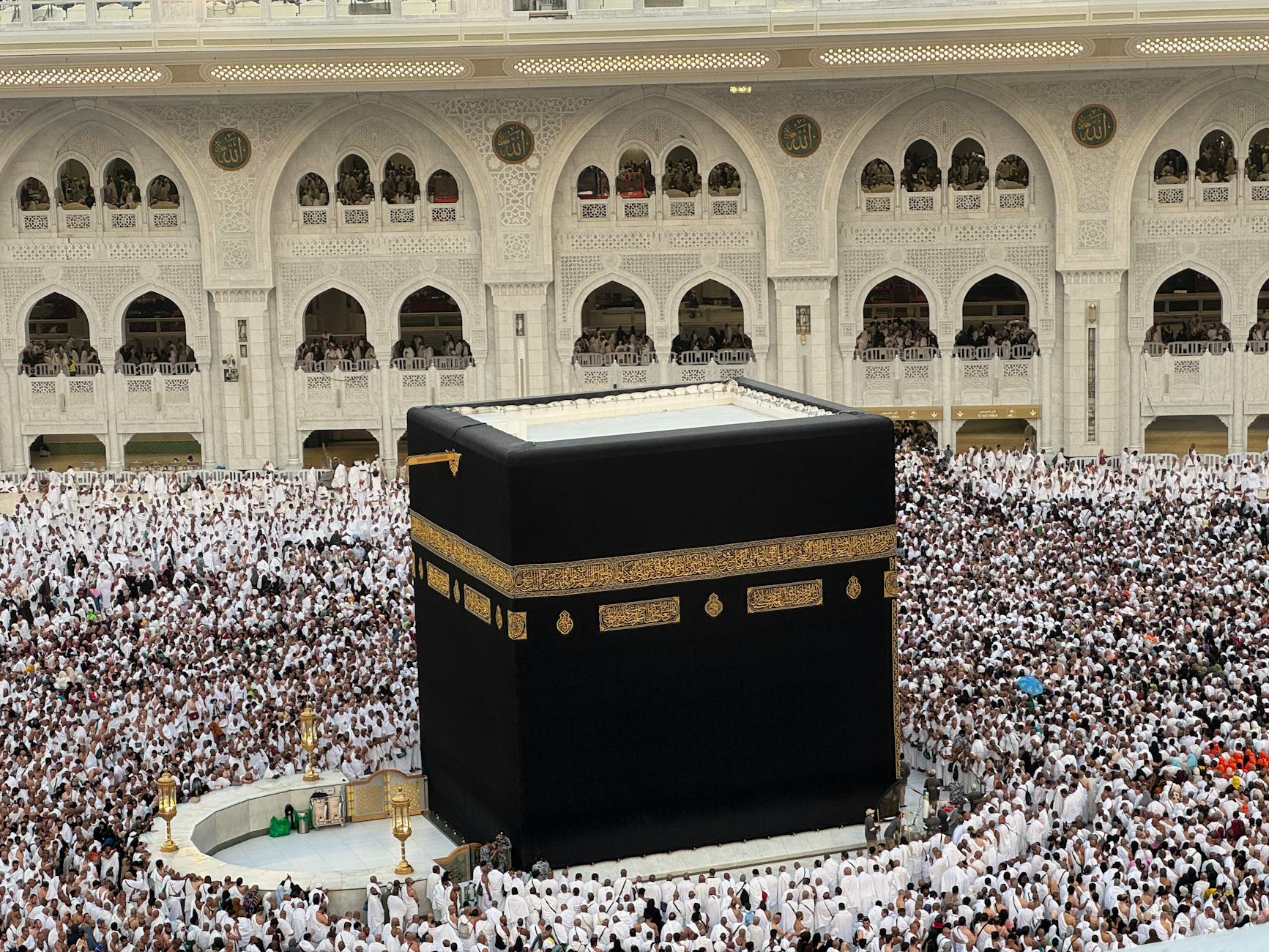
  • Islam: Jahannam
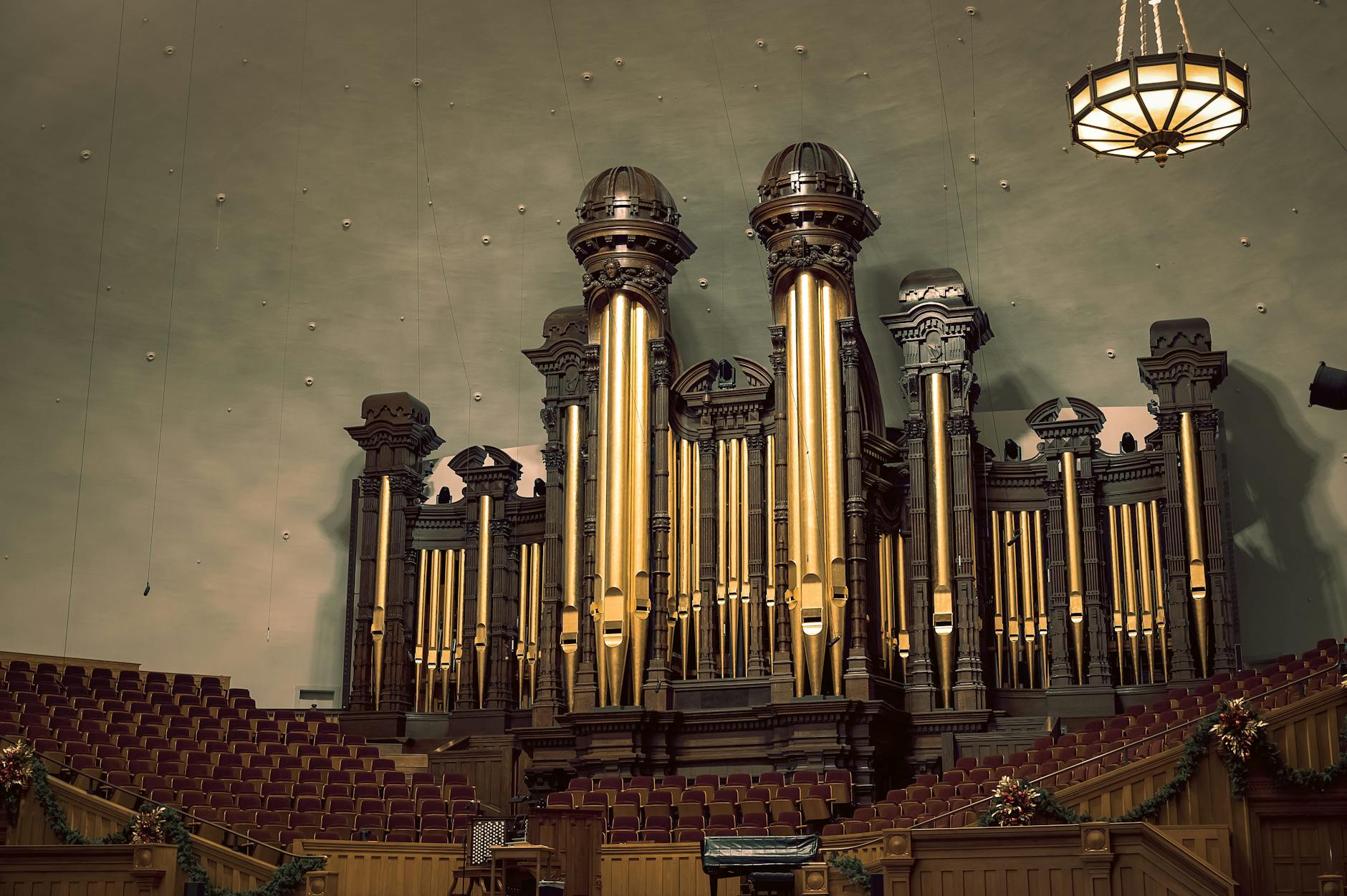
  • Mormonism/LDS: outer darkness

How this differs from neighboring positions

  • vs. Eternal Paradise: Direct opposites
  • vs. Liberation: Punishment is permanent suffering; liberation is permanent freedom

Traditions articulating this position

Christianity

Abrahamic

Full tradition
And these shall go away into everlasting punishment: but the righteous into life eternal.
Matthew 25:46

How this tradition expresses it

The ultimate destination for the righteous is life eternal in the presence of the Lord.

Why this supports “Eternal Punishment

Matthew 25:46 binary eschatology: righteous enter eternal life, but 'these shall go away into everlasting punishment'—canonical Eternal Punishment text.

The auditor flagged this claim as ambiguous or weakly matching. See the scholarly note below for context.

Scholarly note

Reclassified by comprehensive cell audit

Explicit Teachinghigh confidenceAudit: Contested· 80%
Data provenance
Auditor
comprehensive_cell_audit_v1
Audit confidence
80%
Audited
4/11/2026
Until I went into the sanctuary of God; then understood I their end.
19:073:017

How this tradition expresses it

The ultimate end of the wicked is understood through divine intervention and judgment.

Why this supports “Eternal Punishment

Psalm 73:17 ('then understood I their end') in context refers to the psalmist understanding the destruction awaiting the wicked, which in Christian eschatology supports the doctrine of eternal punishment for the unrighteous.

Nuance

The text notes that understanding the end of the wicked requires entering the sanctuary of God.

The auditor flagged this claim as ambiguous or weakly matching. See the scholarly note below for context.

Scholarly note

LLM council synthesis

Direct Implicationmedium confidenceAudit: Contested· 95%
Data provenance
Auditor
llm_council_v1
Audit confidence
95%
Audited
4/11/2026
hide not thy face from me, lest I be like unto them that go down into the pit.
143:007

How this tradition expresses it

The ultimate destination is framed through the lens of God's presence or the 'pit' (death/grave).

Why this supports “Eternal Punishment

The 'pit' in Psalm 143:7 represents Sheol or destruction, which in Christian theology prefigures hell/eternal punishment—a plea to be spared that negative post-mortem destination.

The auditor flagged this claim as ambiguous or weakly matching. See the scholarly note below for context.

Scholarly note

LLM council synthesis

Direct Implicationmedium confidenceAudit: Contested· 95%
Data provenance
Auditor
llm_council_v1
Audit confidence
95%
Audited
4/11/2026

Islam

Abrahamic

Full tradition
They held that if a professor of the true religion be guilty of a grievous sin, and die without repentance, he will be eternally damned, though his punishment will be lighter than that of the infidels.
Section: Mótazalites, point 4

How this tradition expresses it

The text describes the belief that certain sins lead to eternal damnation.

Why this supports “Eternal Punishment

This quote reflects the Kharijite and Mu'tazilite theological position that unrepentant grave sinners, even among Muslims, face eternal damnation—supporting Eternal Punishment as a genuine doctrinal position within Islamic theological debate on the soul's ultimate destination.

The auditor flagged this claim as ambiguous or weakly matching. See the scholarly note below for context.

Scholarly note

LLM council synthesis

Explicit Teachinghigh confidenceAudit: Contested· 95%
Data provenance
Auditor
llm_council_v1
Audit confidence
95%
Audited
4/11/2026
but as to those who believe not, their patrons are Tagut; they shall lead them from the light into darkness; they shall be the companions of hell fire, they shall remain therein forever.
Chapter 2, verse 13

How this tradition expresses it

Those who reject the truth or act unjustly face eternal confinement in hell fire.

Why this supports “Eternal Punishment

Direct Quranic eternal hell.

Nuance

The text identifies specific groups (infidels, those who practice usury) who face this fate.

Scholarly note

Companions of hell fire forever

Explicit Teachinghigh confidenceAudit: Strong· 88%
Data provenance
Auditor
claude-opus-4-6-1m
Audit confidence
88%
Audited
4/10/2026
s for the unbelievers, their wealth shall not profit them at all, neither their children, against GOD: they shall be the companions of hell fire; they shall continue therein forever.
Section 109

How this tradition expresses it

The ultimate destination for unbelievers is hellfire, where they shall suffer eternal torment without mitigation.

Why this supports “Eternal Punishment

Direct Quranic eternal hell.

Nuance

This is the fate for those who die in unbelief or increase in infidelity.

Scholarly note

Companions of hell forever

Explicit Teachinghigh confidenceAudit: Strong· 88%
Data provenance
Auditor
claude-opus-4-6-1m
Audit confidence
88%
Audited
4/10/2026

Mormonism/LDS

Abrahamic

Full tradition
ks, from whence they must go into the place prepared for them, even a blake of fire and brimstone, which is endless tor
2 Nephi 29:23

How this tradition expresses it

The ultimate destination for those who are not saved is described as a place of endless torment.

Why this supports “Eternal Punishment

This passage explicitly describes 'a lake of fire and brimstone, which is endless torment'—the destination of the wicked. All three reviewers unanimously agreed this supports Eternal Punishment as an alternative ultimate destination in LDS theology.

Nuance

The destination is determined by the judgment of works.

The auditor flagged this claim as ambiguous or weakly matching. See the scholarly note below for context.

Scholarly note

LLM council synthesis

Explicit Teachinghigh confidenceAudit: Contested· 95%
Data provenance
Auditor
llm_council_v1
Audit confidence
95%
Audited
4/11/2026
And then shall they know that I am the Lord their God, that I am their Redeemer; but they would not be redeemed. 27 And then I will confess unto them that I never "knew them; and they shall bdepart into ceverlasting fire prepared for the devil and his a
Mosiah 26:26-27

How this tradition expresses it

Those who refuse to be redeemed by the Lord will depart into everlasting fire.

Why this supports “Eternal Punishment

LDS eternal damnation for unrepentant.

Nuance

This applies to those who knew the Lord but would not be redeemed.

Scholarly note

They would not be redeemed - cast off

Explicit Teachinghigh confidenceAudit: OK· 80%
Data provenance
Auditor
claude-opus-4-6-1m
Audit confidence
80%
Audited
4/10/2026
, that they are consigned to a state of endless wo
Alma 28:11

How this tradition expresses it

Those consigned to the consequences of their sins face a state of endless woe.

Why this supports “Eternal Punishment

Direct LDS eternal damnation.

Scholarly note

Endless woe

Explicit Teachinghigh confidenceAudit: Strong· 88%
Data provenance
Auditor
claude-opus-4-6-1m
Audit confidence
88%
Audited
4/10/2026

Mandaeism

Iranian

Full tradition
hrist, the planets and the souls the wicked who have confessed to them, call one after another, seize each other by the hand, are tied up, go there and collapse like a Pomegranate of lead") in Ur, the Lord of
chunk 17/45, 203, 8-13

How this tradition expresses it

The ultimate fate of the wicked is a collapse into the darkness of Ur, where they are consumed by fire.

Why this supports “Eternal Punishment

This passage describes wicked souls seized, bound, and collapsing into the realm of Ur, Lord of Darkness. It represents the dualistic counterpart in Mandaean eschatology—eternal punishment for the wicked—and was incorrectly labeled Unknown or Ineffable.

Nuance

This is presented as the destination for the 'souls of the wicked'.

The auditor flagged this claim as ambiguous or weakly matching. See the scholarly note below for context.

Scholarly note

LLM council synthesis

Explicit Teachinghigh confidenceAudit: Contested· 95%
Data provenance
Auditor
llm_council_v1
Audit confidence
95%
Audited
4/11/2026

Zoroastrianism

Iranian

Full tradition
‘He who would not kindly and piously give to one of the faithful who tills the earth, O Spitama Zarathushtra! Spenta Armaiti’° will throw him down into darkness, down into the world of woe, the world of hell, down into the deep ab
Vendidad 23, 35

How this tradition expresses it

Certain sins result in a state of darkness or a 'world of woe' for those who fail to act righteously toward the faithful.

Why this supports “Eternal Punishment

Zoroastrian: divine response to charitable giving.

Nuance

The text describes this as a 'deep abyss' or 'world of hell' for those who do not give to the faithful.

The auditor flagged this claim as ambiguous or weakly matching. See the scholarly note below for context.

Scholarly note

Quote explicitly describes hell and darkness as destination for the wicked; punishment is known, not ineffable

Explicit Teachinghigh confidenceAudit: Contested· 80%
Data provenance
Auditor
comprehensive_cell_audit_v1
Audit confidence
80%
Audited
4/11/2026
but she sees it not till the re-establishment of the world [i.e. frashegird, cp. ch. 87.]; this punishment she must suffer.
Chapter 64, verse 13

How this tradition expresses it

Certain punishments or states of being are temporary and will only be resolved or changed upon the re-establishment of the world (Frashegird).

Why this supports “Eternal Punishment

Zoroastrian: punishment endures until frashegird.

The auditor flagged this claim as ambiguous or weakly matching. See the scholarly note below for context.

Scholarly note

Quote describes a known punishment (suffering) that endures until frashegird; the destination and nature of punishment are specified, not ineffable

Explicit Teachinghigh confidenceAudit: Contested· 80%
Data provenance
Auditor
comprehensive_cell_audit_v1
Audit confidence
80%
Audited
4/11/2026

Siberian Shamanic

Siberian Shamanic

Full tradition
In the depths of the sea he beholds the bodies of many sinful kams who have perished there, for only those who are blameless can cross this bridge.
Section: The shaman in action

How this tradition expresses it

The ultimate destination involves reaching the dwelling-place of the god Erlik, where the shaman must interact with the deity and face the consequences of his presence.

Why this supports “Eternal Punishment

While the passage implies the blameless cross the bridge to higher realms, its primary descriptive content focuses on sinful kams who fail the post-mortem moral test and perish in the depths. This directly supports Eternal Punishment as the fate of the morally condemned, representing the punitive pole of the tradition's differentiated afterlife geography.

Nuance

The destination is a place of judgment where the status of the traveler (sinful vs. blameless) determines their ability to navigate the environment.

The auditor flagged this claim as ambiguous or weakly matching. See the scholarly note below for context.

Scholarly note

LLM council synthesis (round 2)

Explicit Teachinghigh confidenceAudit: Contested· 95%
Data provenance
Auditor
llm_council_v2
Audit confidence
95%
Audited
4/11/2026
Erlen-Tama iBur. ). the smaller of two dungeons to which souls are consigned after death
Glossary, page 354

How this tradition expresses it

The destination of the soul involves various realms such as the 'lower place' or specific dungeons/abodes.

Why this supports “Eternal Punishment

This passage names Erlen-Tama as a specific underworld dungeon to which souls are consigned after death, directly supporting Eternal Punishment as a recognized soul destination for the sinful within the tradition's judgment-based dual eschatology.

Nuance

The text lists multiple distinct destinations depending on the specific culture and the nature of the soul.

The auditor flagged this claim as ambiguous or weakly matching. See the scholarly note below for context.

Scholarly note

LLM council synthesis (round 2)

Direct Implicationhigh confidenceAudit: Contested· 95%
Data provenance
Auditor
llm_council_v2
Audit confidence
95%
Audited
4/11/2026

NDE Research Corroboration

Modern Near-Death Experience research provides empirical phenomena relevant to the “Eternal Punishment” position. Each feature below is supported by peer-reviewed research and is described with the rationale for why it links to this position.

Hellish or Distressing Elements

9% of NDErs report this(~9-23% per Greyson & Bush 1992; likely under-reported)

moderate

Negative or frightening experiences during an NDE, including darkness, fear, judgment, or hellish realms.

Why this corroborates “Eternal Punishment

Some distressing NDEs include encounters with hellish realms that experiencers interpret as having an enduring or final character. While most NDErs return from these states, the phenomenological possibility of negative ultimate destinations is established.

Research citations (1)
  • Bush 2009: Permanent-feeling hellish NDEs

Other answers to this question

NoeticMap Guide

Research Dashboard

How can I help?

Ask about NDEs, research, or this page

Responses may not always be accurate