Q3 · Ultimate Destination

Eternal Paradise

8of 62 traditions hold this positionPreliminary3 cultural clusters

What does “Eternal paradise” mean?

A permanent state of bliss in a heavenly realm

The classic Abrahamic and many other traditions teach that the soul's ultimate destination is eternal paradise - a permanent state of joy in a heavenly realm. The Quranic gardens, Christian heaven, and Mandaean place of light all share this template.

Examples across traditions

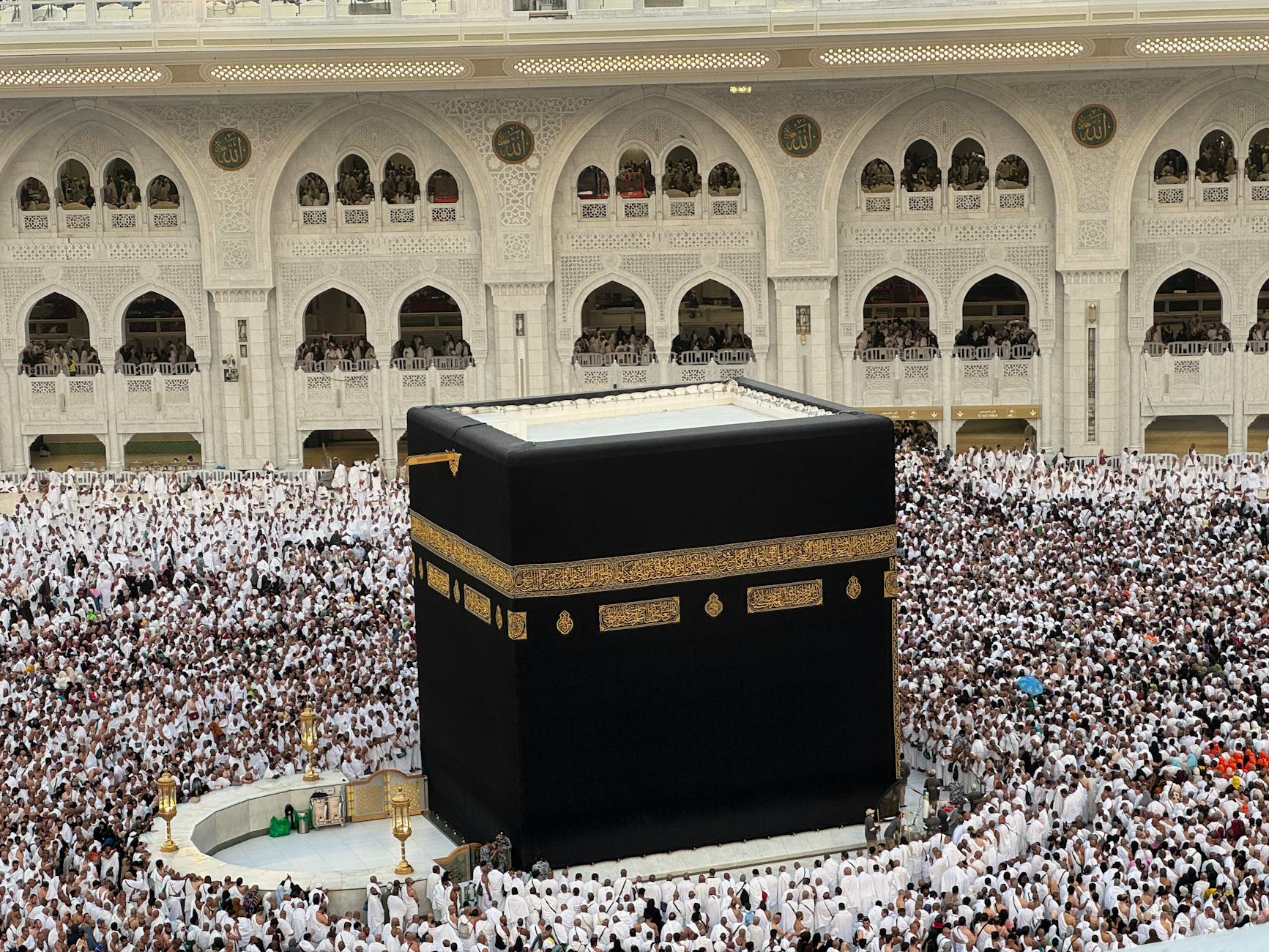
  • Islam: Jannah - the gardens of paradise
  • Christianity: eternal life in heaven
  • Mandaeism: place of light
  • Mormonism/LDS: celestial kingdom

How this differs from neighboring positions

  • vs. Ultimate Transcendence: Paradise preserves the soul in heaven; transcendence dissolves the boundary
  • vs. Eternal Punishment: Direct opposites - reward vs punishment

Traditions articulating this position

Christianity

Abrahamic

Full tradition
For I know that my redeemer liveth, and that he shall stand at the latter day upon the earth:
18:019:025

How this tradition expresses it

The text posits a hope for a future encounter with the Divine that transcends current suffering and death.

Why this supports “Eternal Paradise

Job 19:25-26 expresses hope in a living Redeemer and bodily resurrection, which in Christian interpretation points to the soul's ultimate destination in eternal life with God—fitting Eternal Paradise within the personal, relational framework of orthodox Christian theology.

The auditor flagged this claim as ambiguous or weakly matching. See the scholarly note below for context.

Scholarly note

LLM council synthesis

Explicit Teachinghigh confidenceAudit: Contested· 95%
Data provenance
Auditor
llm_council_v1
Audit confidence
95%
Audited
4/11/2026
and I will dwell in the house of the LORD for ever.
19:023:006

How this tradition expresses it

The ultimate destination for the righteous is to dwell in the house of the LORD forever.

Why this supports “Eternal Paradise

Psalm 23:6 ('I will dwell in the house of the LORD for ever') is a classic proof-text for the soul's eternal communion with God in paradise, directly supporting Eternal Paradise.

The auditor flagged this claim as ambiguous or weakly matching. See the scholarly note below for context.

Scholarly note

LLM council synthesis

Explicit Teachinghigh confidenceAudit: Contested· 95%
Data provenance
Auditor
llm_council_v1
Audit confidence
95%
Audited
4/11/2026
And as for me, thou upholdest me in mine integrity, and settest me before thy face for ever.
19:041:012

How this tradition expresses it

The ultimate end for the righteous is to be set before God's face forever.

Why this supports “Eternal Paradise

Being set before God's face forever (Psalm 41:12) describes the beatific vision—eternal blessed presence with God. While shading toward transcendence, the personal relational framing fits Eternal Paradise in orthodox Christian reading.

The auditor flagged this claim as ambiguous or weakly matching. See the scholarly note below for context.

Scholarly note

LLM council synthesis

Explicit Teachinghigh confidenceAudit: Contested· 95%
Data provenance
Auditor
llm_council_v1
Audit confidence
95%
Audited
4/11/2026

Islam

Abrahamic

Full tradition
They then asked him what recompense they were to expect if they should happen to be killed in his quarrel; he answered, Paradise.
Section regarding the second oath of fealty

How this tradition expresses it

The text mentions Paradise as the promised reward for those who are willing to die in defense of the faith.

Why this supports “Eternal Paradise

The Prophet's promise of Paradise to martyrs directly attests to eternal paradise as the ultimate destination for the faithful who sacrifice their lives in God's cause.

The auditor flagged this claim as ambiguous or weakly matching. See the scholarly note below for context.

Scholarly note

LLM council synthesis

Explicit Teachinghigh confidenceAudit: Contested· 95%
Data provenance
Auditor
llm_council_v1
Audit confidence
95%
Audited
4/11/2026
Those who are destined to be partakers of eternal happiness will arise in honour and security; and those who are doomed to misery, in disgrace and under dismal apprehensions.
Section on the manner of resurrection

How this tradition expresses it

The ultimate destination for the righteous is a state of eternal happiness and honor.

Why this supports “Eternal Paradise

The explicit reference to 'eternal happiness' for the saved directly supports Eternal Paradise, while the contrasting mention of misery for the doomed acknowledges the dualistic structure of Islamic eschatology.

Nuance

The text contrasts this with the 'misery' and 'disgrace' of the ungodly.

The auditor flagged this claim as ambiguous or weakly matching. See the scholarly note below for context.

Scholarly note

LLM council synthesis

Explicit Teachinghigh confidenceAudit: Contested· 95%
Data provenance
Auditor
llm_council_v1
Audit confidence
95%
Audited
4/11/2026
but that he will be in the highest honour with GOD, who shall behold his face morning and evening: a
islam_101

How this tradition expresses it

The highest degree of the afterlife involves a spiritual favor where the blessed beholds the face of God.

Why this supports “Eternal Paradise

The beatific vision—beholding God's face—is the supreme reward and highest culmination of eternal paradise in Islamic theology, directly supporting Eternal Paradise as the soul's ultimate blessed destination.

Nuance

This is described as a superabundant recompense that makes all other physical pleasures seem insignificant.

The auditor flagged this claim as ambiguous or weakly matching. See the scholarly note below for context.

Scholarly note

LLM council synthesis

Explicit Teachinghigh confidenceAudit: Contested· 95%
Data provenance
Auditor
llm_council_v1
Audit confidence
95%
Audited
4/11/2026

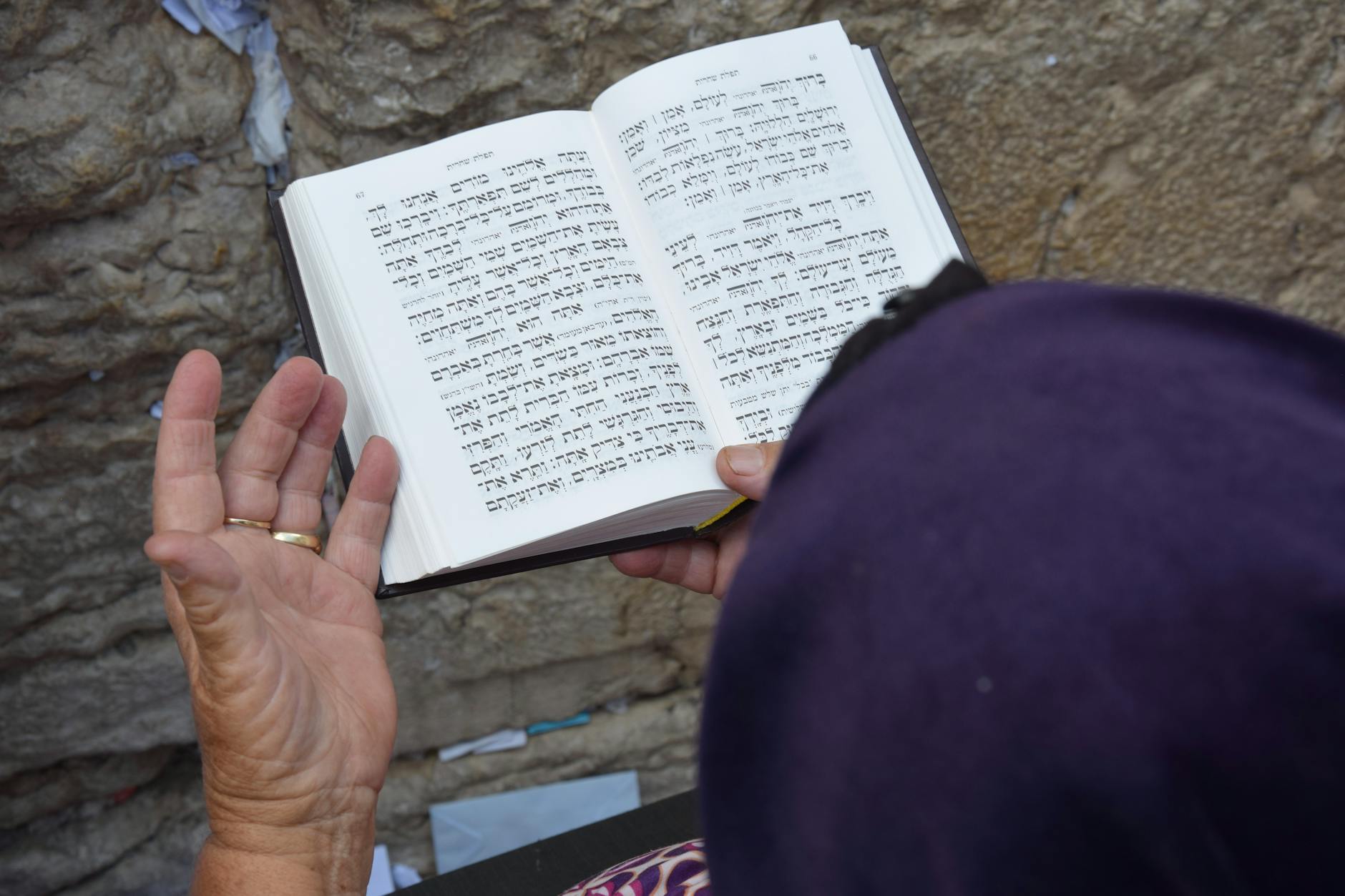
Judaism

Abrahamic

Full tradition
All of the Jewish people, even sinners and those who are liable to be executed with a court-imposed death penalty, have a share in the World-to-Come
Sanhedrin 90a-92b

How this tradition expresses it

The 'World-to-Come' is a state of existence that righteous individuals inherit, though access to it is contingent upon certain theological and moral adherence.

Why this supports “Eternal Paradise

Mishnaic teaching of universal Jewish portion in olam ha-ba.

Scholarly note

All Israel have share in world to come

Explicit Teachinghigh confidenceAudit: Strong· 88%
Data provenance
Auditor
claude-opus-4-6-1m
Audit confidence
88%
Audited
4/10/2026

Kabbalah

Abrahamic

Full tradition
ove. This the Holy One, blessed be He, calls “The Garden of Eden”, for He created it in order to satisfy His own ardent desire for joyous and continual communion with the souls of the righteous who have their abode there-these being those souls which have no bodies in th
Sifra de-Tzniuta (chunk 1/12)

How this tradition expresses it

The ultimate destination for the righteous is a state of perfect delight and communion with the Divine in the Garden of Eden.

Why this supports “Eternal Paradise

This Zoharic passage describes the Garden of Eden as a prepared realm of joyous communion between God and righteous disembodied souls. It represents the Zoharic strand of Kabbalistic eschatology that envisions a paradisiacal abode, though even here the emphasis on 'communion with God' points toward the transcendent dimension of this paradise.

Nuance

The text describes this as a place of 'perfect delight' where souls can perceive the 'loveliness of the Lord.'

The auditor flagged this claim as ambiguous or weakly matching. See the scholarly note below for context.

Scholarly note

LLM council synthesis (round 2)

Explicit Teachinghigh confidenceAudit: Contested· 95%
Data provenance
Auditor
llm_council_v2
Audit confidence
95%
Audited
4/11/2026
ppy am I who have been permitted to behold how many supernal places are prepared which will shine for us in the world to come.’
Sifra de-Tzniuta, chunk 5/12

How this tradition expresses it

The ultimate destination for the righteous is the 'world to come,' characterized by supernal places of light and joy.

Why this supports “Eternal Paradise

Zoharic eschatological vision.

Nuance

The text describes this as a state of 'threefold rest' and 'supernal places' prepared for the saints.

Scholarly note

Supernal places shining for world to come

Explicit Teachinghigh confidenceAudit: Strong· 88%
Data provenance
Auditor
claude-opus-4-6-1m
Audit confidence
88%
Audited
4/10/2026
the righteous in the Garden of Eden derive their sustenance and are replete with joy.
Sifra de-Tzniuta, chunk 8/12

How this tradition expresses it

The ultimate destination for the righteous is the Garden of Eden, where they enjoy supernal delights and sustenance from the light of holy anointing.

Why this supports “Eternal Paradise

Direct Zoharic paradise.

Scholarly note

Righteous in Garden of Eden

Explicit Teachinghigh confidenceAudit: Strong· 88%
Data provenance
Auditor
claude-opus-4-6-1m
Audit confidence
88%
Audited
4/10/2026

Mormonism/LDS

Abrahamic

Full tradition
ngs. And we know that if we are faithful in Christ, we shall rid our garments of the blood of all men, and be found spotless before the judgment-seat of Christ, and shall dwell with him eternally in the
The Testimony of Three Witnesses

How this tradition expresses it

The text indicates that those who are faithful in Christ will dwell eternally with Him in the heavens.

Why this supports “Eternal Paradise

This passage explicitly describes the faithful dwelling 'with him eternally in the heavens'—language of eternal communion with God in a heavenly state, fitting Eternal Paradise rather than the deification doctrine found in later LDS revelation.

The auditor flagged this claim as ambiguous or weakly matching. See the scholarly note below for context.

Scholarly note

LLM council synthesis

Explicit Teachinghigh confidenceAudit: Contested· 95%
Data provenance
Auditor
llm_council_v1
Audit confidence
95%
Audited
4/11/2026
re the fi- nal state of the souls of men is to dwell in the kingdom of God, or to be cast out because of that justice of which I have sp
1 Nephi 15:35

How this tradition expresses it

The ultimate destination of the soul is to dwell in the kingdom of God, provided they are not cast out due to their own filthiness or lack of righteousness.

Why this supports “Eternal Paradise

This Alma passage explicitly defines the 'final state of the souls of men' as dwelling in the kingdom of God or being cast out. The language of dwelling in God's kingdom fits Eternal Paradise. The transcendence/deification doctrine derives from later LDS revelation (D&C, King Follett Discourse), not this Book of Mormon text.

Nuance

The text warns that those with filthy works cannot dwell in the kingdom of God, as the kingdom itself is not filthy.

The auditor flagged this claim as ambiguous or weakly matching. See the scholarly note below for context.

Scholarly note

LLM council synthesis

Explicit Teachinghigh confidenceAudit: Contested· 95%
Data provenance
Auditor
llm_council_v1
Audit confidence
95%
Audited
4/11/2026
on 3 And it shall come to pass in that day that the Lord shall give thee "rest, from thy sorrow, and from thy fear, and from the hard bondage wherein thou wast made to
2 Nephi 24:3

How this tradition expresses it

The text speaks of a future state of rest and the gathering of the remnant of Israel, where the Lord's mercy is manifested through the restoration of their promised land.

Why this supports “Eternal Paradise

This Isaiah-derived passage promises eschatological rest from sorrow, fear, and bondage. Within LDS theology, this messianic rest prefigures the celestial state of peace and divine communion, fitting Eternal Paradise.

Nuance

This is presented as a future event occurring in 'that day' of the Lord's intervention.

The auditor flagged this claim as ambiguous or weakly matching. See the scholarly note below for context.

Scholarly note

LLM council synthesis

Explicit Teachinghigh confidenceAudit: Contested· 95%
Data provenance
Auditor
llm_council_v1
Audit confidence
95%
Audited
4/11/2026

Sufism

Abrahamic

Full tradition
g God; while, in the world to come, they have left to us the everlasting abodes of paradise, the large-eyed damsels, and the pavilions, as well as the sight of God, of which they will enjoy no s
Section 33

How this tradition expresses it

The ultimate destination involves the sight of God and the attainment of paradise, which is denied to those who remain in misbelief.

Why this supports “Eternal Paradise

Islamic paradise imagery invoked in Sufi poetry, representing one strand of Sufi afterlife teaching that emphasizes reward rather than philosophical union.

The auditor flagged this claim as ambiguous or weakly matching. See the scholarly note below for context.

Scholarly note

Quote explicitly describes paradise, damsels, pavilions, and sight of God as rewards—this is paradise imagery, not mystical union/transcendence

Explicit Teachinghigh confidenceAudit: Contested· 80%
Data provenance
Auditor
comprehensive_cell_audit_v1
Audit confidence
80%
Audited
4/11/2026
She informed him thus: “The day previous, a man and a woman had been stoned to death at that gate for the sin of adultery. I took compassion on them, interceded for their forgiveness, and obtained for them admittance to paradise.
Section 14

How this tradition expresses it

The ultimate destination for the righteous is a state of heavenly peace and presence with the beloved.

Why this supports “Eternal Paradise

Sufi narrative about a specific gate - tangentially about paradise context.

Nuance

The text describes this through the vision of a saint seeing a deceased person in heaven.

The auditor flagged this claim as ambiguous or weakly matching. See the scholarly note below for context.

Scholarly note

Gate where adulterers were stoned

Explicit Teachinghigh confidenceAudit: Weak match· 70%
Data provenance
Auditor
claude-opus-4-6-1m
Audit confidence
70%
Audited
4/10/2026
His soul, free, wandered forth, exempt from all dull care, In spacious fields of heaven, the soul’s park, light as air.
lines 190-191

How this tradition expresses it

The ultimate destination involves a state of heavenly joy and freedom from earthly suffering.

Why this supports “Eternal Paradise

Sufi afterlife imagery depicting the soul dwelling in heavenly realms ('fields of heaven,' 'soul's park'), representing paradise or celestial reward rather than mystical union/transcendence.

Nuance

The text describes this in metaphorical terms of 'fields of heaven' and 'paradise'.

The auditor flagged this claim as ambiguous or weakly matching. See the scholarly note below for context.

Scholarly note

The quote emphasizes the soul in 'spacious fields of heaven' and 'the soul's park,' which is paradise/reward imagery, not annihilation or transcendence. The ascent language describes location in heavenly realms, not mystical union with God. This is better classified as Eternal Paradise or Higher Realm Ascent.

Explicit Teachinghigh confidenceAudit: Contested· 80%
Data provenance
Auditor
comprehensive_cell_audit_v1
Audit confidence
80%
Audited
4/11/2026

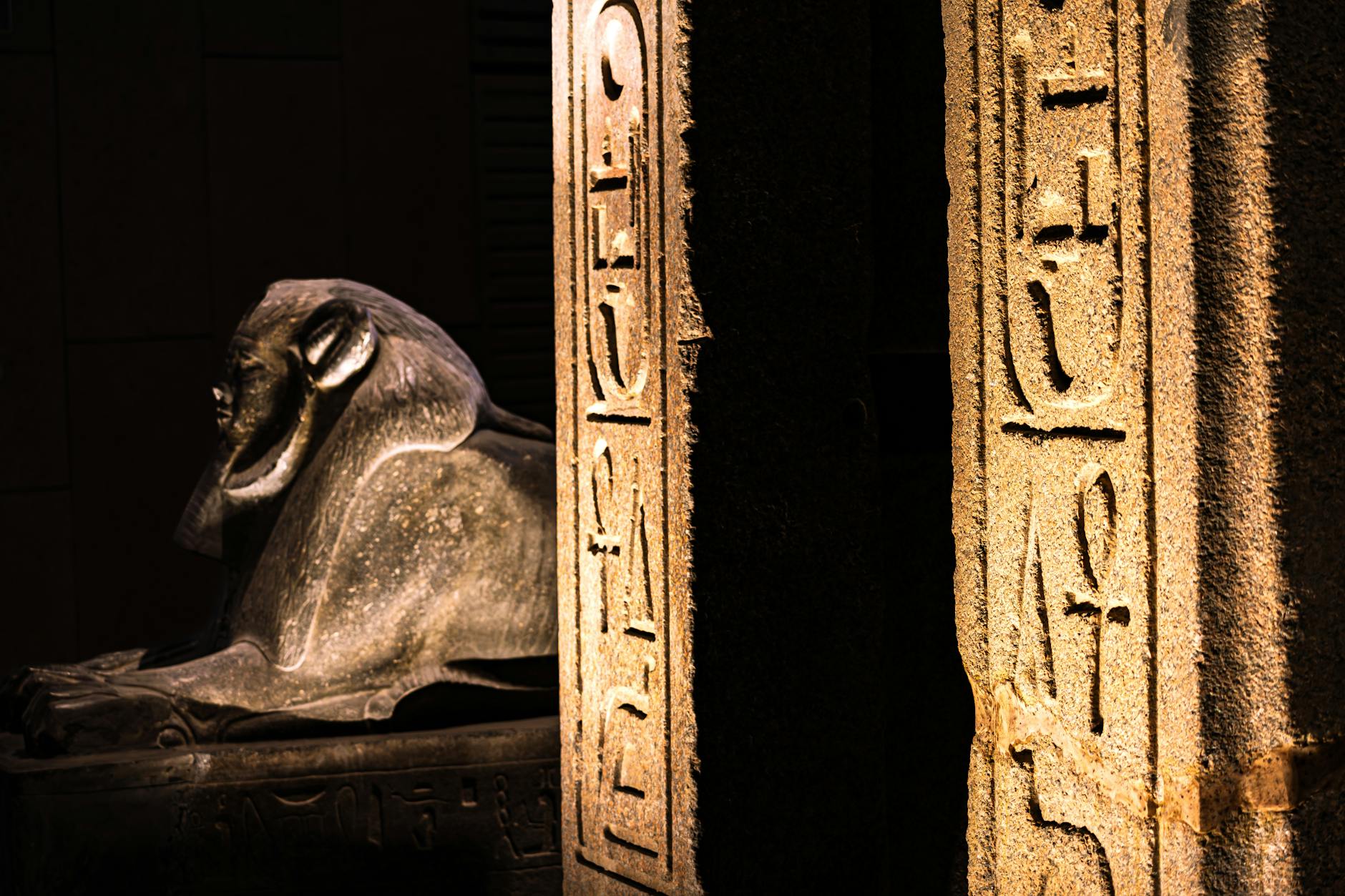
Ancient Egyptian

African/Egyptian/Mesoamerican

Full tradition
to procure for him an everlasting habitation in the Kingdom of Osiris.
Chapter IV

How this tradition expresses it

The ultimate goal is to secure an everlasting habitation in the Kingdom of Osiris and avoid the 'second death'.

Why this supports “Eternal Paradise

Egyptian funerary doctrine of permanent dwelling in Osiris's kingdom - direct Eternal Paradise.

Nuance

Success depends on the protection of spells and the advocacy of gods like Thoth.

Scholarly note

Everlasting habitation in Kingdom of Osiris

Explicit Teachinghigh confidenceAudit: Strong· 88%
Data provenance
Auditor
claude-opus-4-6-1m
Audit confidence
88%
Audited
4/10/2026
tion of Maat (i.e., Truth), and the beautified lived upon the body of their god and ate him daily, and the substance of him was the "Bread of Everlastingness,"
Description of the Kingdom of Osiris

How this tradition expresses it

The ultimate destination for the righteous is an eternal, blessed existence in the Kingdom of Osiris, characterized by peace and agricultural abundance.

Why this supports “Eternal Paradise

Egyptian eternal felicity among the gods.

Nuance

The destination is described both as a material agricultural paradise and a spiritual state of being 'truth of truth'.

Scholarly note

Like the Followers of Horus forever

Explicit Teachinghigh confidenceAudit: OK· 78%
Data provenance
Auditor
claude-opus-4-6-1m
Audit confidence
78%
Audited
4/10/2026
this chapter the deceased is assured of immortality in the words, "Thou shalt live for millions of millions of years, a life of millions of years." E.
Chapter CLXXV

How this tradition expresses it

The ultimate end for the deceased is an eternal life of immense duration.

Why this supports “Eternal Paradise

Direct Egyptian eternal life.

The auditor flagged this claim as ambiguous or weakly matching. See the scholarly note below for context.

Scholarly note

Quote describes assured immortality and eternal life (millions of years), which fits paradise/eternal blessed state better than abstract transcendence

Explicit Teachinghigh confidenceAudit: Contested· 80%
Data provenance
Auditor
comprehensive_cell_audit_v1
Audit confidence
80%
Audited
4/11/2026

Zoroastrianism

Iranian

Full tradition
About the going of Vohuman to meet the souls of the righteous, the notification of their position, their announcement for reward, and the contented progress of the souls of the righteous to their [home], to the throne of Ohrmazd and the archangels, which is made of gold.
Synopsis, Point 78

How this tradition expresses it

The ultimate destination for the righteous is an ascent to the presence of Ohrmazd and the archangels.

Why this supports “Eternal Paradise

Zoroastrian: divine welcoming of righteous souls.

The auditor flagged this claim as ambiguous or weakly matching. See the scholarly note below for context.

Scholarly note

The quote explicitly references 'throne of Ohrmazd,' a specific paradise location, not a generic ascent process.

Explicit Teachinghigh confidenceAudit: Contested· 80%
Data provenance
Auditor
comprehensive_cell_audit_v1
Audit confidence
80%
Audited
4/11/2026
when he enters Paradise, the stars, the moon, and the sun shall rejoice in him; and I, Ahura Mazda, shall rejoice in him, saying: “ Hail, O man! thou who hast just passed from the decaying world into the undecaying one!”
Section 52

How this tradition expresses it

The ultimate destination for the righteous is Paradise, characterized by joy and the presence of Ahura Mazda.

Why this supports “Eternal Paradise

Direct Zoroastrian description of righteous soul entering Paradise as ultimate destination (before cosmic renovation)

Nuance

The soul must pass from the decaying world into the undecaying one.

The auditor flagged this claim as ambiguous or weakly matching. See the scholarly note below for context.

Scholarly note

Quote describes entering Paradise as the destination; this is a specific realm, not transcendence of self/ultimate reality

Explicit Teachinghigh confidenceAudit: Contested· 80%
Data provenance
Auditor
comprehensive_cell_audit_v1
Audit confidence
80%
Audited
4/11/2026
If a man bring to the Daityo-gatu the fire of an oven,**° what shall be his reward when his soul has parted from his body? Ahura Mazda answered: ‘His reward shall be the same as if he had, here below, brought sixty fire-brands to the Daityo-gatu.
Vendidad 81, Verse 95

How this tradition expresses it

The ultimate destination involves the soul's journey to the Daityo-gatu, where it receives rewards based on its earthly deeds and the ritual purity of its actions.

Why this supports “Eternal Paradise

Zoroastrian text describing post-mortem reward granted to righteous souls in the next world, constituting their eternal paradise

Nuance

The magnitude of the reward is dependent on the type of fire/action performed on earth.

The auditor flagged this claim as ambiguous or weakly matching. See the scholarly note below for context.

Scholarly note

The quote discusses reward in 'the next world' which is functionally eternal paradise; the per-quote rationale itself states 'eternal paradise'

Explicit Teachinghigh confidenceAudit: Contested· 80%
Data provenance
Auditor
comprehensive_cell_audit_v1
Audit confidence
80%
Audited
4/11/2026

NDE Research Corroboration

Modern Near-Death Experience research provides empirical phenomena relevant to the “Eternal Paradise” position. Each feature below is supported by peer-reviewed research and is described with the rationale for why it links to this position.

Profound Peace and Joy

60% of NDErs report this(~60-80% per most NDE studies)

moderate

Overwhelming, indescribable peace, joy, and well-being - often described as the most intense positive emotion the experiencer has ever felt.

Why this corroborates “Eternal Paradise

The intense, transcendent quality of NDE peace - 'unlike anything in earthly life' - parallels the cross-tradition descriptions of eternal paradise as a state of permanent bliss qualitatively different from worldly happiness.

Research citations (1)
  • Long 2014: Transcendent quality of NDE peace

Otherworldly Realm

38% of NDErs report this(~38% per Greyson)

moderate

The experiencer enters a non-physical realm with its own landscape, often described as more vivid, beautiful, or 'realer than real.'

Why this corroborates “Eternal Paradise

NDE realms are typically described in extremely positive terms - more beautiful than earthly places, filled with light, music, and love. This corroborates the eternal paradise canonical position that the soul's ultimate destination is a permanent state of bliss.

Research citations (1)
  • Long 2014: Paradise-like quality of NDE realms

Other answers to this question

NoeticMap Guide

Research Dashboard

How can I help?

Ask about NDEs, research, or this page

Responses may not always be accurate