
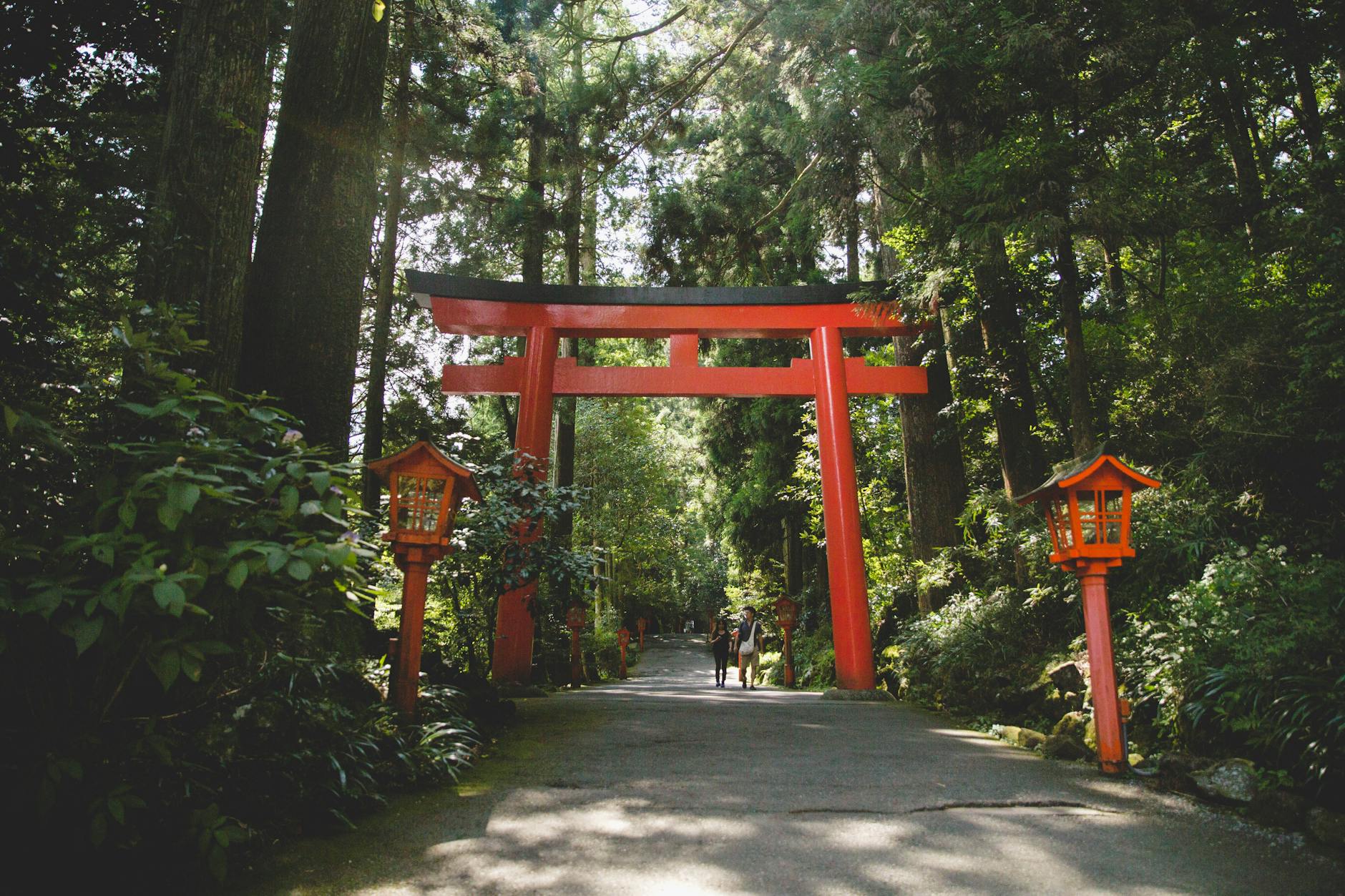
Shintoism
East Asian
Q3 · Ultimate Destination
What does “Dissolution into the All” mean?
Individual identity dissolves permanently into cosmic unity
Some Vedantic and Daoist teachings describe the ultimate state as the dissolution of individuality into cosmic unity - not preservation in a higher state, but complete merging.
Examples across traditions
How this differs from neighboring positions
East Asian
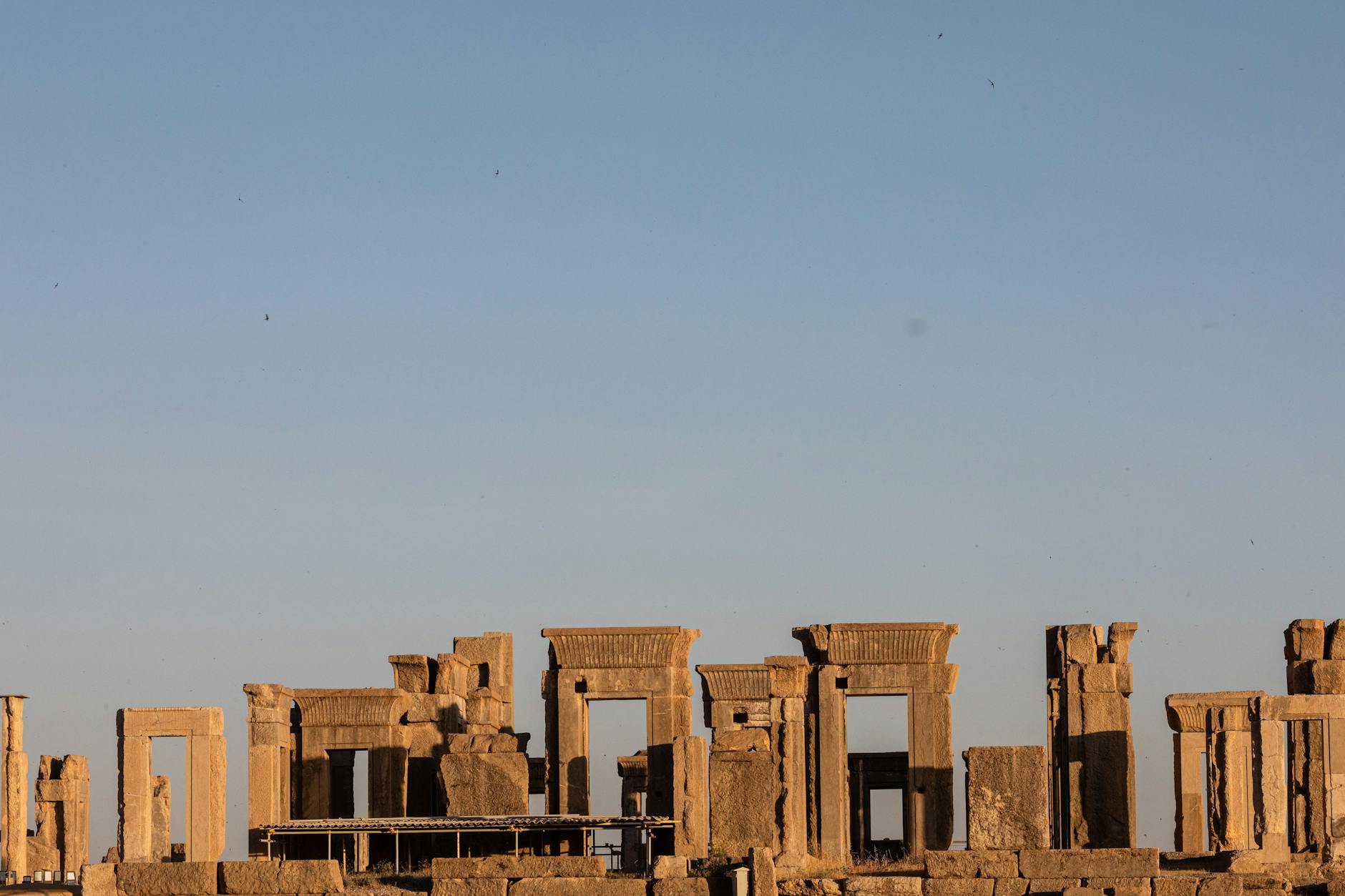
Iranian
and the existence of the resurrection of the dead and the future body.
How this tradition expresses it
The ultimate destination involves a future resurrection and a final body, following the period of judgment and transitional states.
Why this supports “Universal Dissolution”
Zoroastrian eschatological doctrine of future bodily resurrection, part of the ultimate cosmic renovation (frashokereti) distinct from individual soul's immediate paradise
The auditor flagged this claim as ambiguous or weakly matching. See the scholarly note below for context.
The quote references bodily resurrection and 'future body,' which aligns with frashokereti (cosmic renovation) rather than transcendence; this is better classified as the ultimate cosmic end-state
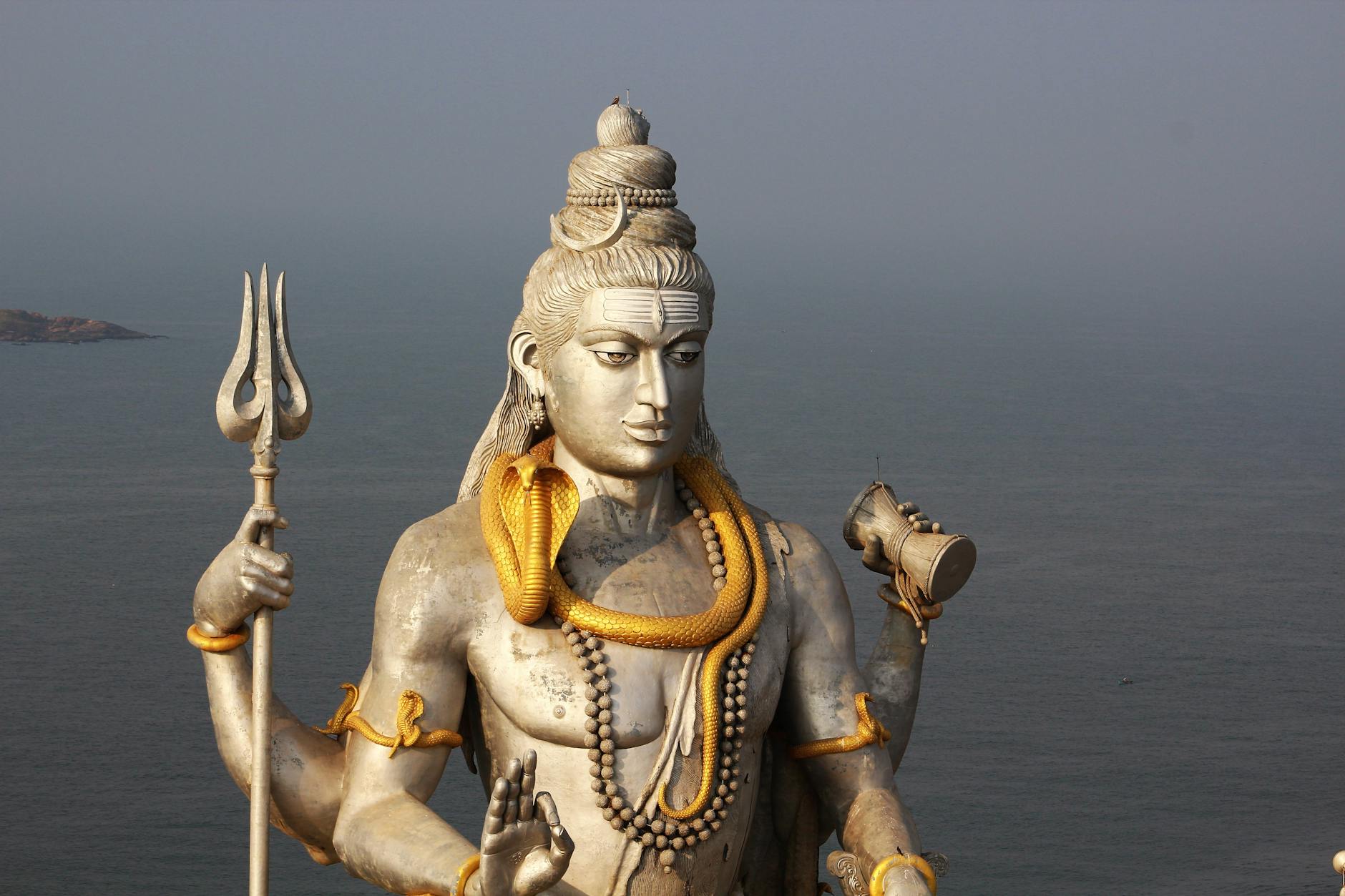
South Asian
vah so 'nte vaisvânaro bhûtvâ sa dagdhvâ sarvâni bhûtâni prithivyapsu pralîyate 5, âpas tegasi lîyante 6, tego vâyau pralîyate 7, vâyur âkâse vilîyate 8, âkâsam indriyeshv, indriyâni tanmâtreshu, tanmâtrâni bhûtâdau vilîyante 9, bhûtâdi mahati vilîyate 10, mahân avyakte vilîyate 11, avyaktam akshare vilîyate 12], aksharam tamasi vilîyate 13, tama ekîbhavati parasmin, parastân na 14 san nâsan na sad ityetan nirvânam anusâsanam iti vedânusâsanam.
How this tradition expresses it
The text describes a process of cosmic dissolution where elements merge into one another, ultimately reaching a state of non-existence or non-being that is identified as Nirvana.
Why this supports “Universal Dissolution”
Hindu cosmological vision of universal dissolution (pralaya): all manifest elements sequentially dissolve back into their source until reabsorption in the supreme (Brahman). Represents an impersonal, cyclical, cosmological process distinct from personal moksha; included as an alternative doctrinal vision of ultimate cosmic reintegration, not a personal spiritual destination.
The auditor flagged this claim as ambiguous or weakly matching. See the scholarly note below for context.
Label is correct, but rationale must clarify: pralaya is a cosmological cycle (impersonal, universal, recurring), not an ultimate *personal* destination like moksha. Keep as alternative to highlight doctrinal diversity in Hindu cosmology.
Research Dashboard
How can I help?
Ask about NDEs, research, or this page