
Druze
Abrahamic
Q1 · Pre-Existence
What does “Cyclic pre-existence” mean?
The soul existed in a previous life/incarnation as part of an ongoing cycle
The dominant Indian view: the soul has lived countless previous lives in an ongoing cycle of birth, death, and rebirth (samsara). The current incarnation is just the latest in a beginningless sequence. This is the view of Hinduism, Buddhism, Jainism, Sikhism, and many indigenous traditions including Yoruba/Ifa and Indigenous Australian traditions.
Examples across traditions
How this differs from neighboring positions
Abrahamic
African/Egyptian/Mesoamerican
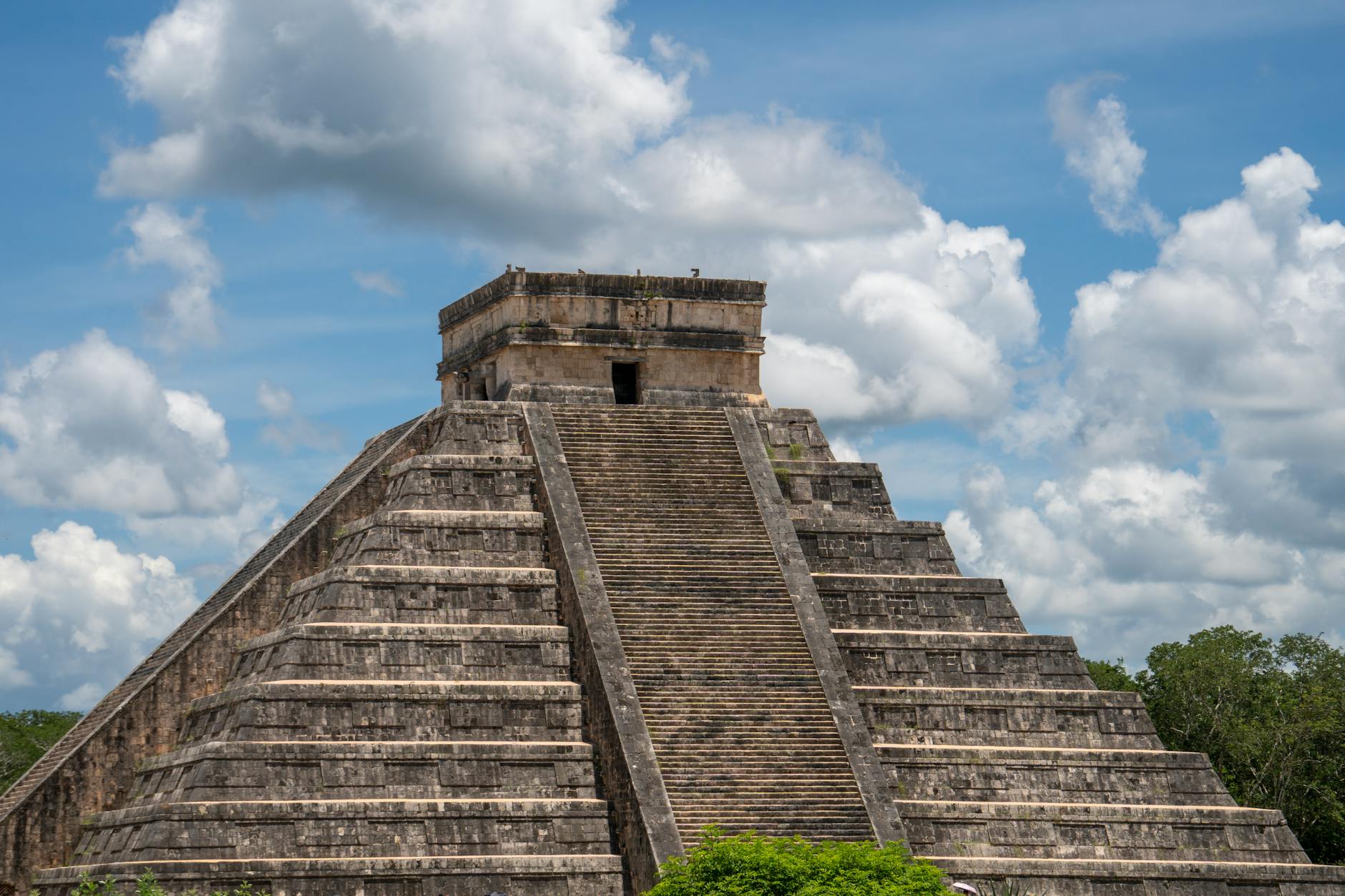
Thus when a baby is born, Tz’utujils say “he/she sprouted,” or “he/she returned,” implying that the spirit of a dead ancestor, like a newly-sprouted plant from the dead husk of a maize kernel, has returned to occupy a new body.
How this tradition expresses it
The text suggests a cycle of existence where the spirit of a deceased ancestor returns to occupy a new body, much like a plant sprouting from a dead seed.
Why this supports “Cyclic Pre-Existence”
The Tz'utujil Maya teaching that a newborn is an ancestor returned is direct Cyclic Pre-Existence specific to Maya tradition. This is not Aztec evidence but shows Mesoamerican diversity on the question.
Nuance
The text describes this as a 'return' or 'sprouting' from the previous state.
The auditor flagged this claim as ambiguous or weakly matching. See the scholarly note below for context.
Correct label; no change needed. This is strong evidence for the primary position.
African/Egyptian/Mesoamerican
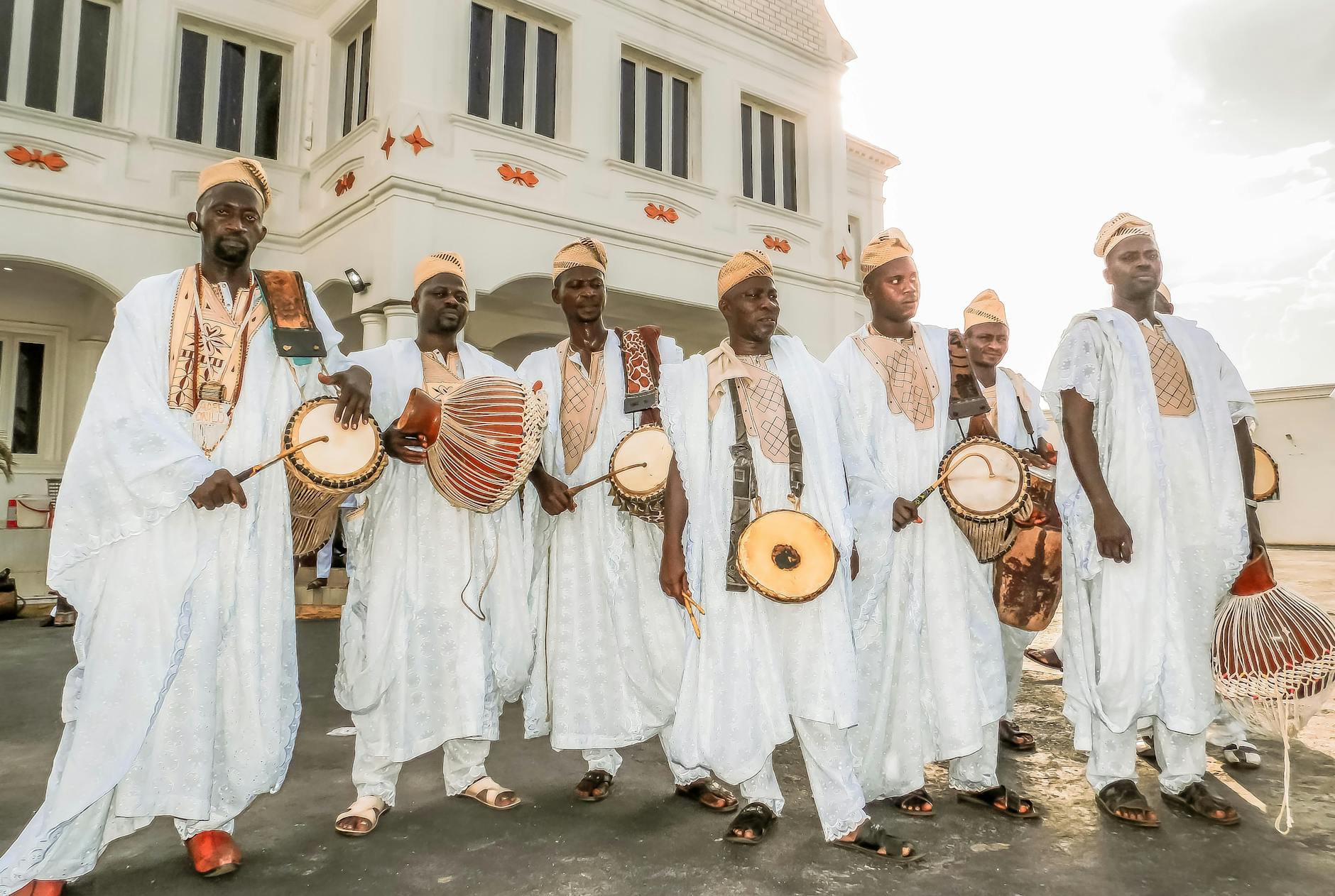
The dead often return to earth, and are born again in the families to which they belonged in their former life.
How this tradition expresses it
The dead return to the earth and are reborn into the families to which they previously belonged.
Why this supports “Cyclic Pre-Existence”
Yoruba teaching of atunwa (rebirth into the same family) - direct cyclic pre-existence with familial continuity.
Direct: 'The dead often return to earth, and are born again in the families to which they belonged in their former life.'
soon after the child is born, a babalawo appears on the scene to ascertain what ancestral soul has been re-born in the infant.
How this tradition expresses it
The text suggests that an ancestral soul is reborn into the infant at the time of birth.
Why this supports “Cyclic Pre-Existence”
Yoruba diviner's task of identifying which ancestor has been reborn in a new infant presupposes the cyclic pre-existence framework.
Direct: 'babalawo... ascertain what ancestral soul has been re-born in the infant.'

East Asian
There is birth, there is death, there is issuing forth, there is entering in. That through which one passes in and out without seeing its form, that is the Portal of God.
How this tradition expresses it
Existence is characterized by a continuous cycle of issuing forth and entering in, where birth and death are part of a seamless process without a definitive beginning or end.
Why this supports “Cyclic Pre-Existence”
This passage from the Daodejing establishes the cosmological framework of cyclical existence: beings pass through cycles of manifestation ('issuing forth') and return ('entering in'), regulated by the Portal of God. In Daoist metaphysics, this cyclical ontology directly implies that individual existence pre-existed in prior cycles. The passage supports Cyclic Pre-Existence as a foundational answer to pre-existence.
Nuance
The text suggests that while there is a cycle, the concept of a 'starting-point' is an illusion of human understanding.
The auditor flagged this claim as ambiguous or weakly matching. See the scholarly note below for context.
The quote explicitly describes the cyclical pattern of birth-death-entry-exit ('Portal of God') that frames individual existence. In Daoist thought, cyclical cosmology directly implies pre-existence within recurrent cycles. The passage should be classified as support for Cyclic Pre-Existence.
Indigenous Australian
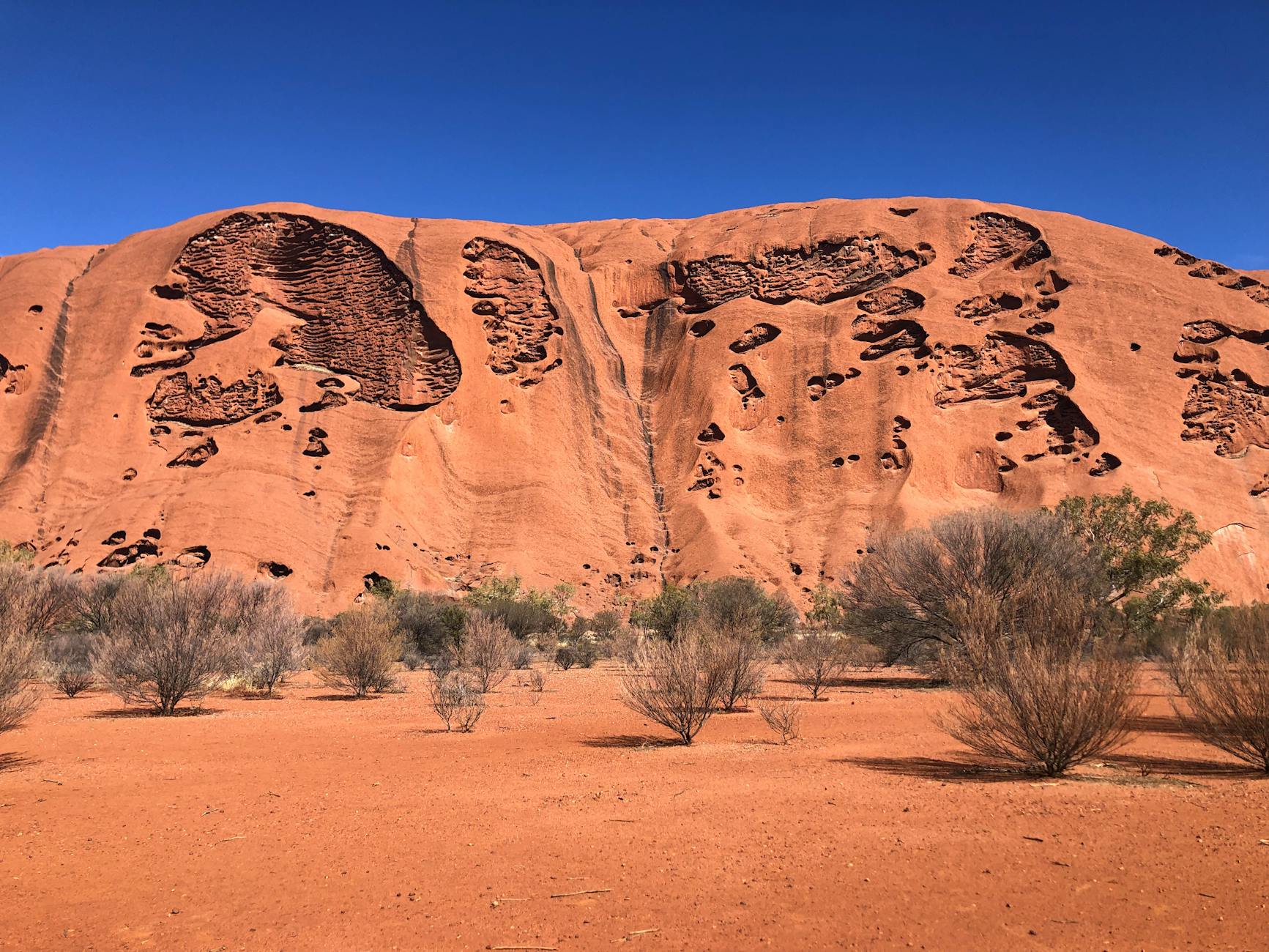
.^ When the spirit [jart has gone into a woman and a child has, as a result, been born^ then that living child is the reincarnation of that particular spirit indivi
How this tradition expresses it
The text describes a process where a spirit individual from the Alcheringa (ancestral time) enters a woman to be reborn as a living child.
Why this supports “Cyclic Pre-Existence”
Direct Aboriginal Australian (Spencer & Gillen) attestation that ancestor spirits reincarnate in newborns.
Direct: 'the spirit part has gone into a woman... reincarnation of that particular...'
The latter man is therefore the reincarnation of an Alcheringa opossum individual, and so it is ofcour.se impossible for him to be the head of a water group.
How this tradition expresses it
The text describes a process of reincarnation where individuals from the Alcheringa (the timeless/primordial era) are reborn into human form.
Why this supports “Cyclic Pre-Existence”
Aranda totemic reincarnation - each person is the reincarnation of a specific Alcheringa (Dreamtime) ancestor of their totem.
Nuance
The text notes that the specific totem or circumstances of birth determine the nature of the reincarnation.
Direct: 'reincarnation of an Alcheringa opossum individual.'
minna. This is concerned with certain women of the Unjiamba or Hakea totem, who in the Alcheringa camedown from the north and marched southwards as far as a spot called Oora
How this tradition expresses it
The text describes a primordial period known as the Alcheringa, during which ancestral beings (such as the Hakea women) traveled through the land, establishing the foundations of totem and ceremony.
Why this supports “Cyclic Pre-Existence”
The narrative of Unjiamba women's migration in the Alcheringa is mythological history. Pre-existence is implicit (those women's souls now incarnate) but the quote describes the journey not the rebirth.
The auditor flagged this claim as ambiguous or weakly matching. See the scholarly note below for context.
Migration narrative of Alcheringa beings, not personal pre-existence claim.
Modern Empirical
The spirit-world is the normal, primitive, eternal world, pre-existent to, and surviving, everything else.
How this tradition expresses it
The spirit-world is the primitive and eternal realm that existed before the corporeal world, and souls re-enter this realm after death before returning to new material existences.
Why this supports “Cyclic Pre-Existence”
Spiritism explicitly affirms the spirit world as eternal and pre-existent - the soul's natural state preceding incarnation.
Direct: 'spirit-world is the normal, primitive, eternal world, pre-existent to, and surviving, everything else.'
God has created all spirits in a state of simplicity and ignorance; that is to say, without knowledge.
How this tradition expresses it
Spirits were created in a state of simplicity and ignorance, possessing an equal aptitude for good and evil, rather than having existed in a previous state of being.
Why this supports “Cyclic Pre-Existence”
Spiritism teaches that God created all spirits originally simple and ignorant, setting the starting point for their subsequent cyclic evolution through multiple incarnations. This foundational creation doctrine supports the cyclic pre-existence framework.
The auditor flagged this claim as ambiguous or weakly matching. See the scholarly note below for context.
The quote establishes God created spirits originally simple, who then evolve through reincarnation. This is foundational to the cyclic model (creation → cyclic improvement), not an alternative. The per-quote rationale correctly identifies the creation event but misses that it precedes and enables the cyclic structure.
nly.” — Can we come back to it after having lived in other worlds ? “ Assuredly you can; you may already have lived else- where as well as upon the earth.
How this tradition expresses it
Spirits may have lived in various worlds and can return to the earth multiple times through successive incarnations.
Why this supports “Cyclic Pre-Existence”
Spiritism teaches that souls have lived in other worlds and may return - direct multi-life pre-existence.
Direct: 'you may already have lived elsewhere as well as upon this earth.'
Siberian Shamanic
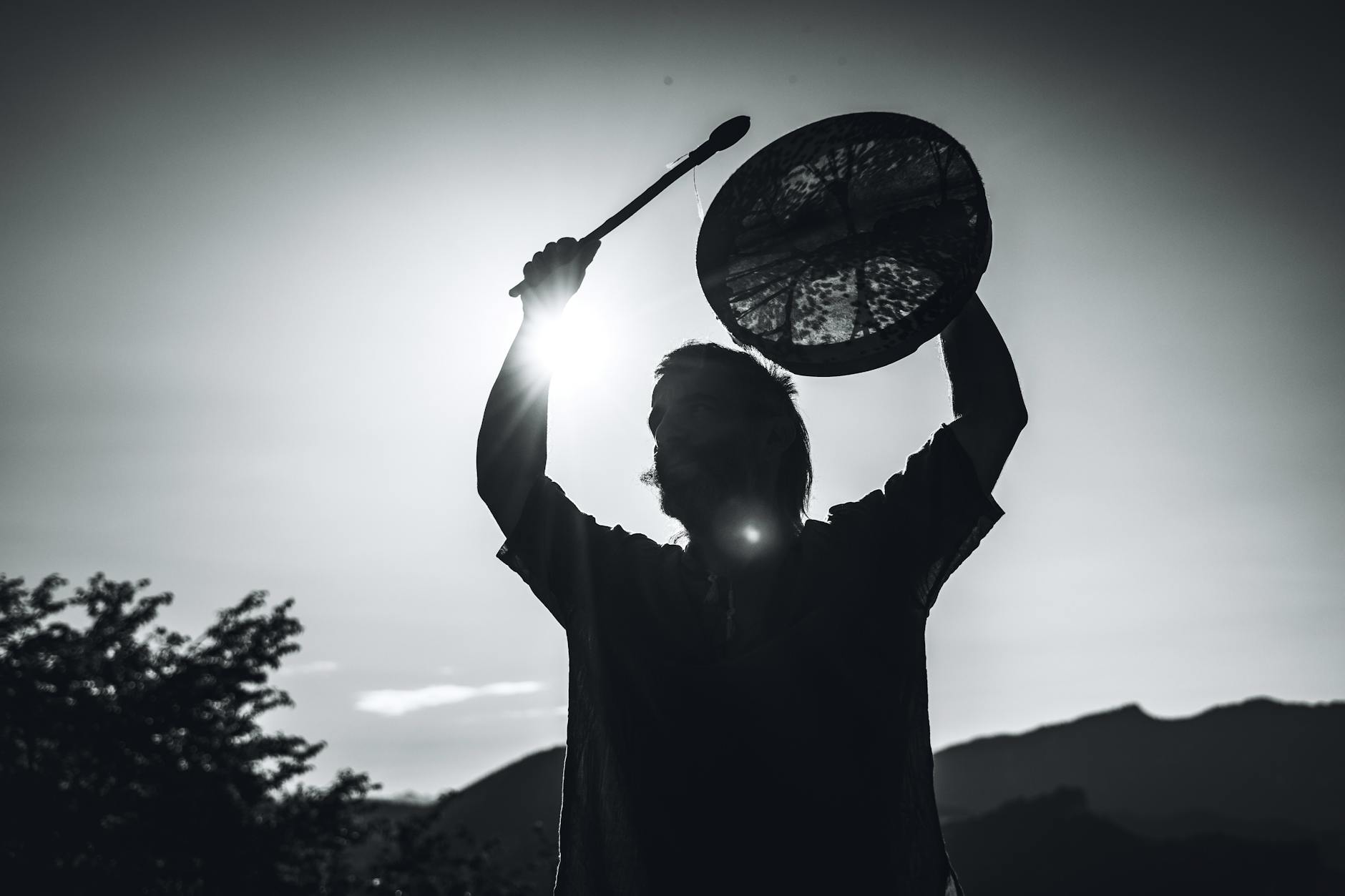
. The soul {ui/icif) of some ancestor is sent by the Supreme Being into the child in the mother's womb.
How this tradition expresses it
The Koryak tradition holds that the soul of an ancestor is sent by the Supreme Being into the child while in the womb.
Why this supports “Cyclic Pre-Existence”
Yukaghir Siberian belief in cyclical reincarnation: ancestor souls are transferred by the Supreme Being into children in the womb. This mechanism supports Cyclic Pre-Existence by showing souls are reused across generations, though it does not clarify whether souls pre-existed before the first cycle or are perpetually created anew.
Nuance
The duration of the life of the person who will reincarnate the soul is indicated by the length of the strap attached to the soul.
The auditor flagged this claim as ambiguous or weakly matching. See the scholarly note below for context.
Label is correct, but rationale should emphasize that this is ancestor soul reincarnation (a cyclic mechanism), not necessarily proof of pre-existence before the cycle's first iteration
South Asian
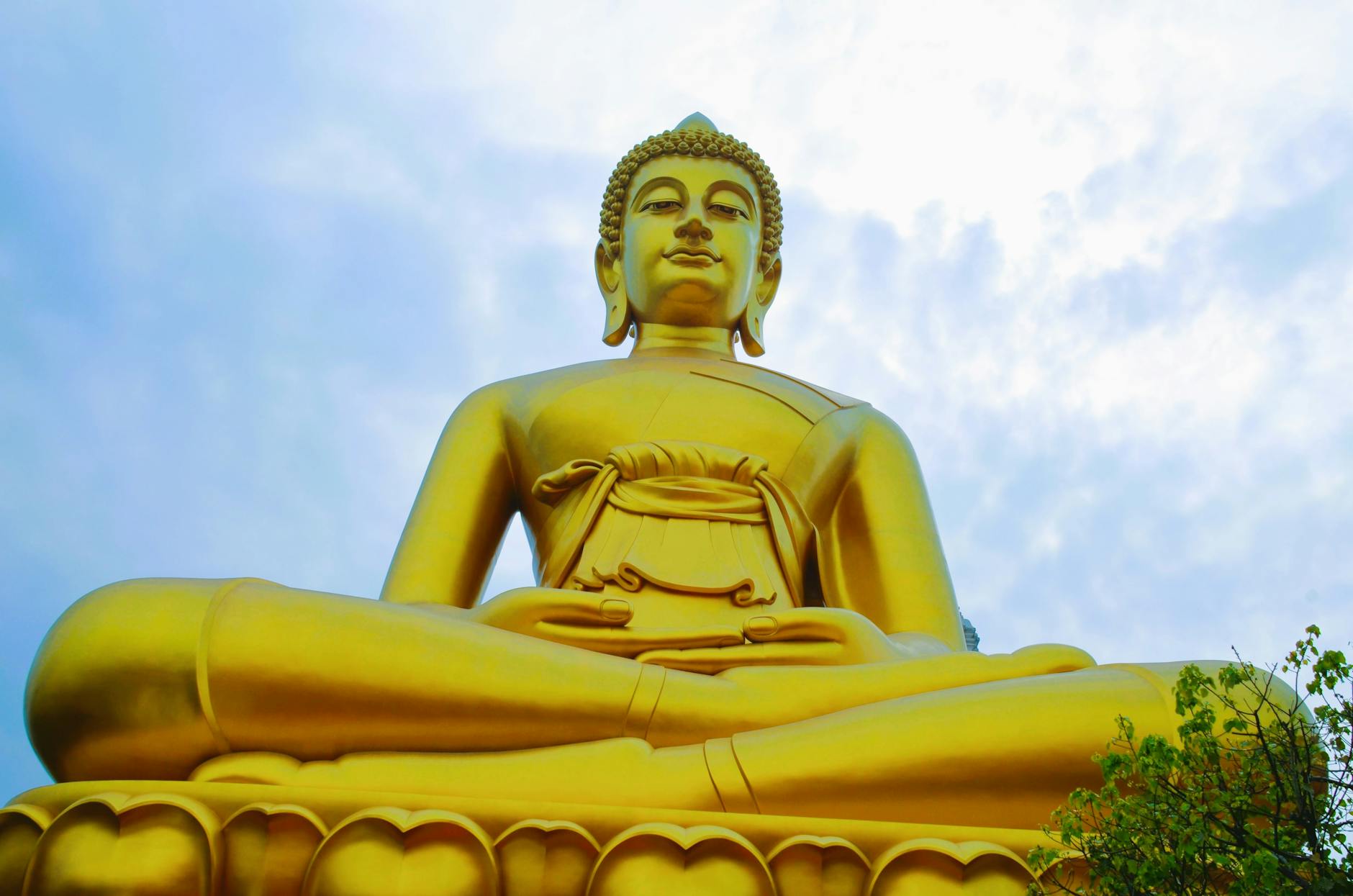
There is no breach (Uchchheda) of consciousness, but a continuity of transformation.
How this tradition expresses it
The text describes a continuous life-process where consciousness undergoes a series of transformations through successive births.
Why this supports “Cyclic Pre-Existence”
Buddhist doctrine of consciousness as a continuous stream that transforms through death and rebirth (rather than being created fresh each life) is the canonical articulation of cyclic existence.
Buddhist 'no breach of consciousness, but continuity of transformation' - direct continuity across deaths.
he state between death and rebirth—and, therefore, ‘ Intermediate’ or ‘Transitional (State}]’.
How this tradition expresses it
The state of being between death and rebirth is an intermediate or transitional period where consciousness moves through various bardo states.
Why this supports “Cyclic Pre-Existence”
Tibetan Buddhist bardo doctrine explicitly affirms a transitional consciousness between death and rebirth, presupposing that the soul-stream existed prior to its current incarnation.
Direct reference to bardo (intermediate state between death and rebirth).
Mendicants, due to not understanding and not penetrating four things, both you and I have wandered and transmigrated for such a very long time.
How this tradition expresses it
Human existence is characterized by a long period of wandering and transmigration through various rebirths due to a lack of understanding.
Why this supports “Cyclic Pre-Existence”
The Buddha's teaching that beings have transmigrated for 'such a very long time' due to ignorance is the foundational Theravada articulation of beginningless samsara - direct Cyclic Pre-Existence.
Direct: 'you and I have wandered and transmigrated for such a very long time.'
South Asian
To man's frame As there come infancy and youth and age, So come there raisings-up and layings-down Of other and of other life-abodes, Which the wise know, and fear not. This th
How this tradition expresses it
The soul undergoes a cycle of births and deaths, moving through various life-abodes as part of a natural process.
Why this supports “Cyclic Pre-Existence”
BG 2.13 establishes that the eternal atman moves through successive bodies across lifetimes, supporting Cyclic Pre-Existence: the doctrine that individual consciousness pre-exists in previous incarnations and undergoes repeated embodiment.
The auditor flagged this claim as ambiguous or weakly matching. See the scholarly note below for context.
The quote (BG 2.13) explicitly describes the atman moving through 'successive bodies across lifetimes'—this is the cyclical rebirth mechanism, not the timeless metaphysical status. The per-quote rationale itself uses the phrase 'successive bodies across lifetimes,' which is samsara/cyclical pre-existence.
Death is certain for those who are born, and birth is certain for the dead. This is inevitable and therefore a wise man should not grieve over it.
How this tradition expresses it
The text teaches that death and birth are part of an inevitable cycle where the dead are destined to be born again.
Why this supports “Cyclic Pre-Existence”
Bhagavad Gita 2.27 explicitly affirms the cycle of birth and death as inevitable for all beings, the canonical Hindu Cyclic Pre-Existence.
Direct: 'Death is certain for those who are born, and birth is certain for the dead.'
There is no way out, either human or divine; the being who has come under the sway of death must be born again here.
How this tradition expresses it
The text asserts that there is no escape from the cycle of death and rebirth for those under the sway of death.
Why this supports “Cyclic Pre-Existence”
This passage affirms the inevitability of rebirth within samsara (beings must be 'born again'), which presupposes prior embodiments and supports the doctrine that individual consciousness pre-exists in previous incarnations across the cycle of death and rebirth.
The auditor flagged this claim as ambiguous or weakly matching. See the scholarly note below for context.
Claim is correctly labeled, but its rationale is weak. The quote affirms that beings must be 'born again' within samsara, which supports cyclical pre-existence only if 'born again' implies prior existence—a reasonable inference, but the quote does not explicitly address whether consciousness existed *before* the current life. The rationale should acknowledge this inference.
South Asian
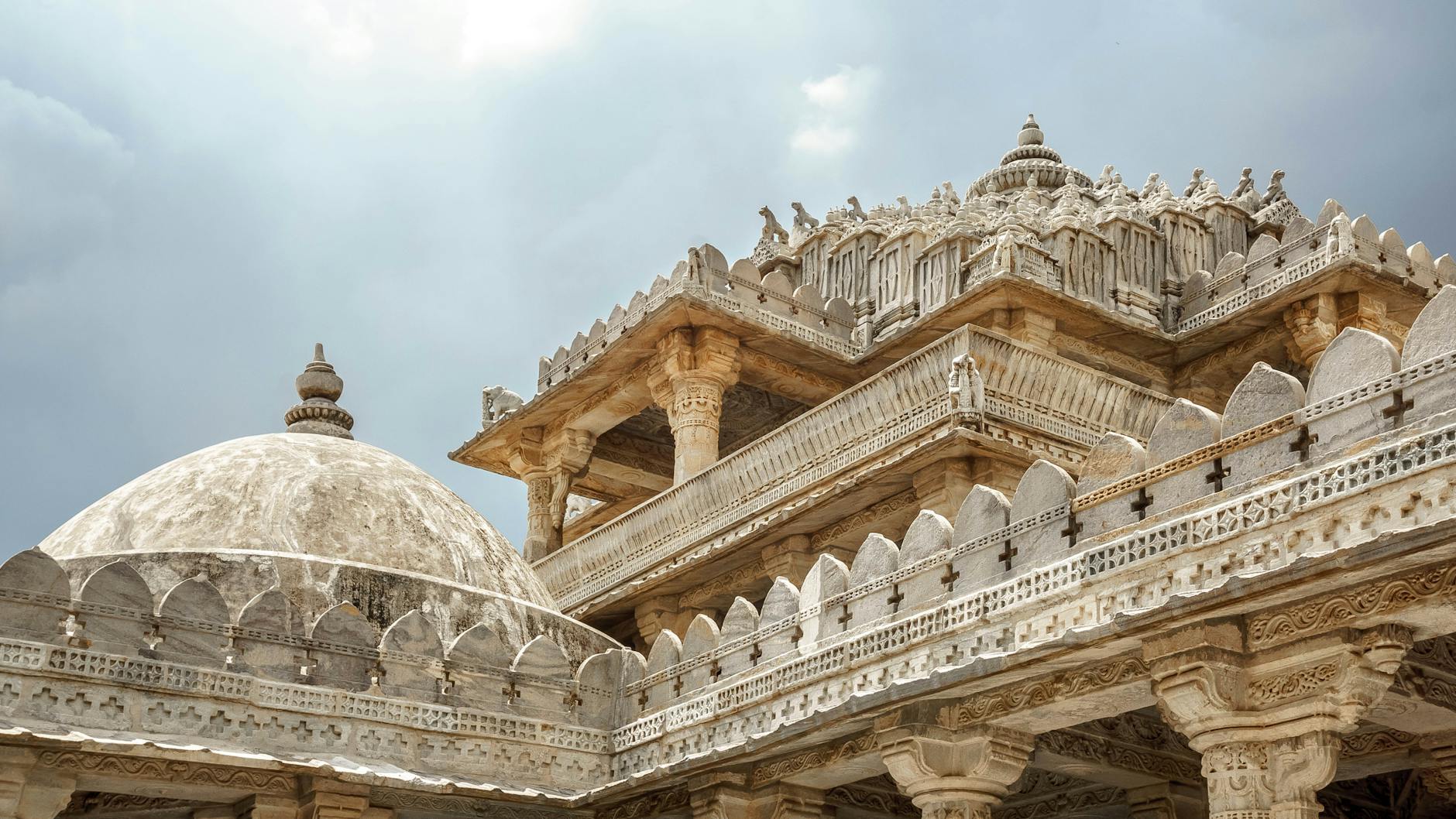
Beings, whatever their origin, who were sentient (in one existence) will become senseless ones (in another) and vice versa.
How this tradition expresses it
Beings undergo a continuous cycle of rebirth, moving between different forms of existence such as sentient and senseless bodies.
Why this supports “Cyclic Pre-Existence”
Jain doctrine of beings shifting between sentient and non-sentient existences across the karmic cycle - the soul persists through dramatic transformations.
Nuance
The text describes a constant flux where beings transition between various classes of living beings.
Direct existential cycling: 'sentient in one existence become senseless in another.'
Beings belong to the Circle of Births ; though they be (now) immovable beings, they will (some time) become movable ones, or though they be (now) movable beings, they will become immovable ones
How this tradition expresses it
Beings are part of a continuous cycle of rebirth where they transition between different forms of existence, such as movable and immovable beings.
Why this supports “Cyclic Pre-Existence”
Jain Sutrakritanga affirms the Circle of Births (samsara) as the universal condition - direct cyclic pre-existence framework.
Direct: 'Beings belong to the Circle of Births.'
South Asian
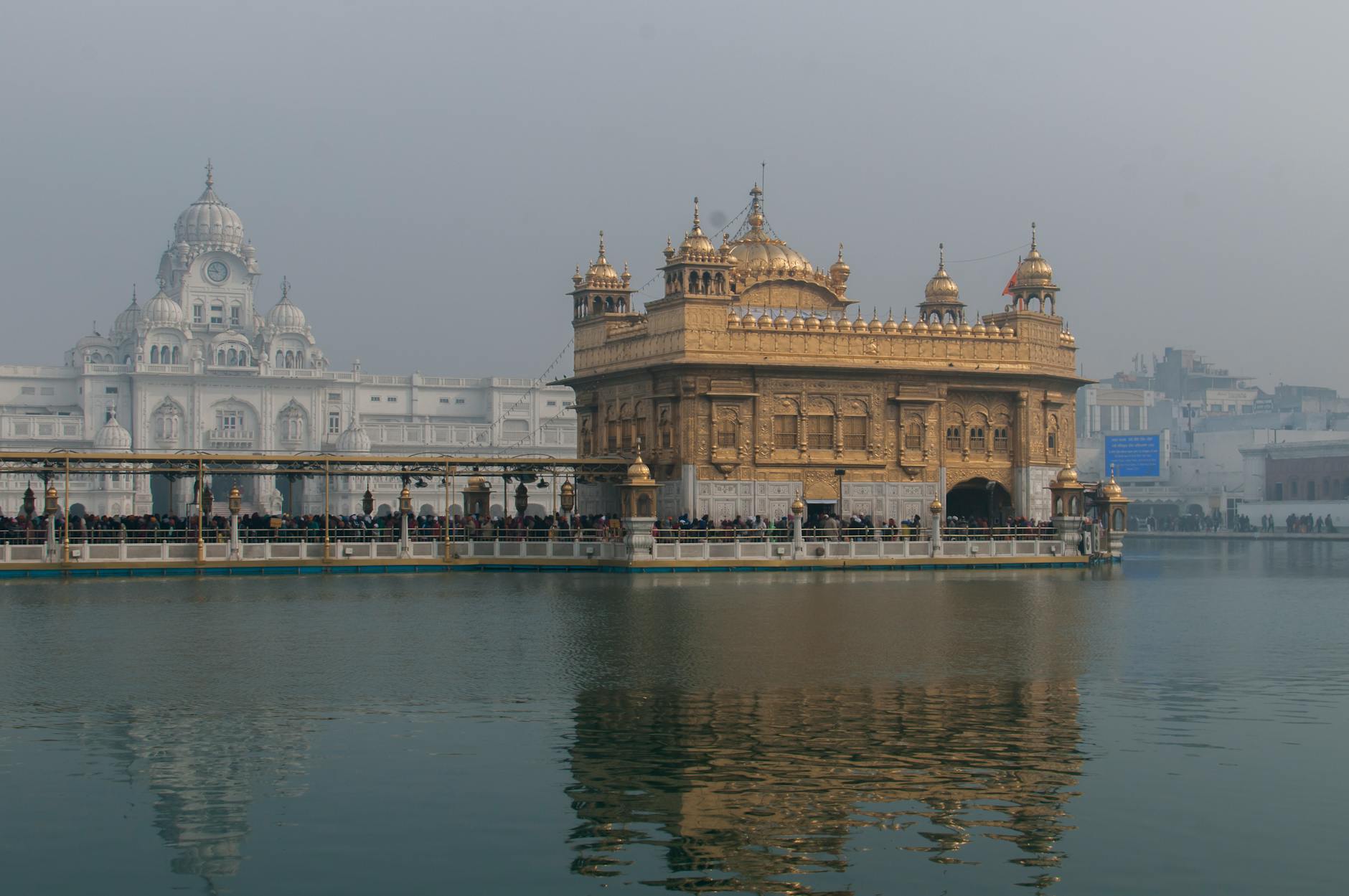
Its true conception is the annulment of the cycle of births and deaths, that is transmipration, and the self abiding ever in bliss of God-consciousness
How this tradition expresses it
The text describes the human condition as a cycle of births and deaths (transmigration) that one seeks to be liberated from.
Why this supports “Cyclic Pre-Existence”
Sikh doctrine that the goal is to annul the cycle of births and deaths presupposes the cycle as the default condition of unliberated souls.
Direct: 'annulment of the cycle of births and deaths.'
the first quarter of night. my Merchant-Friend. by Divine will into the womb wast thou cast: S
How this tradition expresses it
Human existence begins with being cast into the womb by Divine will.
Why this supports “Cyclic Pre-Existence”
This Sikh verse describes the soul being placed in the womb by Divine will - the act of incarnation rather than the pre-natal state.
The auditor flagged this claim as ambiguous or weakly matching. See the scholarly note below for context.
The quote describes Divine will casting the soul into the womb as part of the incarnation mechanism within an ongoing cycle. The rationale itself acknowledges this is about 'the act of incarnation rather than the pre-natal state.' This is evidence of cyclic rebirth mechanics, not pre-existence creation.
while in cistern of the womb wast thou fallen, head downwards, On God didst thou meditate.
How this tradition expresses it
The soul is described as having fallen into the physical womb from a previous state, experiencing a cycle of births.
Why this supports “Cyclic Pre-Existence”
The Sikh image of the soul meditating on God while in the womb implies the pre-existence of the conscious soul before bodily birth.
In-womb meditation reference - the soul present in the womb, prior to bodily birth.
Western Esoteric
That vesture of light therefore, that which I, I left in the Last mystery, until finished the time for me to put it on, and to begin for me to speak with the race of mankind
How this tradition expresses it
The speaker (Jesus) describes having a 'vesture of light' that was left in the 'Last mystery' or 'the Height' before coming into the world, implying a prior existence in a higher realm.
Why this supports “Cyclic Pre-Existence”
Pistis Sophia's vesture-of-light motif - the soul's celestial garment left behind in a higher mystery and to be reclaimed at the end - presupposes prior existence in the higher realms.
Nuance
The text suggests this pre-existent state is tied to a specific 'time' or 'arrangement of service' that must be fulfilled.
'The vesture of light I left in the Last mystery' - the soul's prior garment from before incarnation.
their souls instead of coming straight from the Treasure-house have suffered much from transmigration into different bodies.
How this tradition expresses it
Souls have undergone a process of transmigration into different bodies prior to their current state.
Why this supports “Cyclic Pre-Existence”
The Pistis Sophia explicitly teaches that some souls undergo transmigration through different bodies before liberation - direct cyclic pre-existence in the Sethian Gnostic tradition.
Direct Pistis Sophia text: souls 'have suffered much from transmigration into different bodies.'
Western Esoteric
after waiting an appointed time, which is to some a longer and to some a shorter time, they are sent back to be born again as animals.
How this tradition expresses it
Souls undergo a process of being sent back to be born again as animals after an appointed period of waiting in the afterlife.
Why this supports “Cyclic Pre-Existence”
The description of souls 'waiting an appointed time' and then being 'sent back to be born again as animals' explicitly depicts the cyclical mechanism of metempsychosis. While Plato holds the soul to be eternal, this particular passage describes the cyclic rebirth process itself, making Cyclic Pre-Existence the most precise label for what the quote directly asserts.
Nuance
The time spent waiting in the afterlife varies for different souls.
The auditor flagged this claim as ambiguous or weakly matching. See the scholarly note below for context.
LLM council synthesis (round 2)
The circle of nature is not complete unless the living come from the dead as well as pass to them.
How this tradition expresses it
The soul's existence is part of a natural cycle where the living come from the dead and vice versa, supported by the doctrine of the pre-existence of ideas.
Why this supports “Cyclic Pre-Existence”
The argument from opposites in the Phaedo—that the living come from the dead and the dead from the living—directly establishes a cyclical pattern of existence, supporting Cyclic Pre-Existence as the modal expression of the soul's pre-existence.
Nuance
The text suggests this is based on the philosophical assumption that all opposites are generated out of each other.
The auditor flagged this claim as ambiguous or weakly matching. See the scholarly note below for context.
LLM council synthesis (round 2)
acknowledging not only that the soul existed before birth, but also that the souls of some exist, and will continue to exist after death, and will be born and die again and again
How this tradition expresses it
The text suggests the soul may have existed before birth and undergoes a cycle of being born and dying repeatedly.
Why this supports “Cyclic Pre-Existence”
This passage explicitly describes souls existing before birth and being 'born and die again and again,' directly depicting a cyclical pattern of pre-existence and rebirth. While embedded in a dialectical context about proving full immortality, the content affirmed—repeated birth and death—maps to Cyclic Pre-Existence rather than simple eternal pre-existence.
Nuance
The text presents this as a possibility to be considered alongside other arguments.
The auditor flagged this claim as ambiguous or weakly matching. See the scholarly note below for context.
LLM council synthesis (round 2)
Western Esoteric
We believe in no _creation_, but in the periodical and consecutive appearances of the universe from the subjective on to the objective plane of being, at regular intervals of time, covering periods of immense duratio
How this tradition expresses it
The universe and life emerge through a periodic and consecutive process of emanation from the absolute unity, rather than through a single act of creation.
Why this supports “Cyclic Pre-Existence”
Theosophy's doctrine of periodic, consecutive universe-appearances provides the cosmic framework within which individual souls cycle through existence. This supports the cyclic structure of pre-existence, though it does not directly assert individual pre-existence.
Nuance
The process is described as the 'periodical and consecutive appearances of the universe from the subjective on to the objective plane of being'.
The auditor flagged this claim as ambiguous or weakly matching. See the scholarly note below for context.
Claim is correctly labeled; no change needed. It describes the cosmic cyclic framework that supports cyclic pre-existence.
the _human_ Spirit (or the individuality), the reincarnating Spiritual Ego, and Buddhi, the Spiritual soul, are pre-existent. Bu
How this tradition expresses it
The individualizing Spirit (Atma) and the spiritual soul (Buddhi) are pre-existent, having been originally formed from the Eternal Ocean of light.
Why this supports “Cyclic Pre-Existence”
This quote directly affirms the pre-existence of the reincarnating Spiritual Ego and Buddhi across multiple lives, which constitutes the core doctrine of Cyclic Pre-Existence in Theosophical teachings. The explicit mention of 'reincarnating' establishes the cyclic temporal structure.
Nuance
The Spirit exists as a distinct entity, while the soul exists as pre-existing breath/an unscient portion of an intelligent whole.
The auditor flagged this claim as ambiguous or weakly matching. See the scholarly note below for context.
Claim is correctly labeled; no change needed. It directly asserts pre-existence of the reincarnating Spiritual Ego, which is the core of cyclic pre-existence doctrine.
Research Dashboard
How can I help?
Ask about NDEs, research, or this page