Q3 · Surviving Death

Partial Survival

20of 74 traditions hold this positionPreliminary8 cultural clusters

What does “Partial survival” mean?

Some aspect survives (higher soul, consciousness stream) but not full personal identity

Many traditions describe a more complex picture: not the whole 'you' survives, but some aspect - a higher soul, a consciousness stream, an essential self - while other parts (personality, memory) may dissolve or be transformed. Tibetan Buddhism, Hermeticism, some Theosophical views all hold this position.

Examples across traditions

  • Tibetan Buddhism: stream of consciousness through bardo
  • Theosophy: higher Ego survives, lower personality fades
  • Hermeticism: the immortal Mind separating from the personal self

How this differs from neighboring positions

  • vs. Full Survival: Partial implies loss; full implies intact preservation
  • vs. Extinction: Partial still affirms some survival

Traditions articulating this position

Christianity

Abrahamic

Full tradition
And Isaac gave up the ghost, and died, and was gathered unto his people, being old and full of days
01:035:029

How this tradition expresses it

The text describes the departure of the soul from the body at death, specifically noting the cessation of life and the transition of the individual to a state of being 'gathered unto his people.'

Why this supports “Partial Survival

The idiom 'gathered unto his people' implies some form of post-mortem communal existence in Sheol, suggesting continuity of identity but in a diminished, shadowy state—fitting Partial Survival in the Hebrew Bible framework rather than full conscious survival.

Nuance

The text focuses on the physical death and the subsequent gathering of the deceased into their ancestral lineage.

The auditor flagged this claim as ambiguous or weakly matching. See the scholarly note below for context.

Scholarly note

LLM council synthesis

Explicit Teachinghigh confidenceAudit: Contested· 95%
Data provenance
Auditor
llm_council_v1
Audit confidence
95%
Audited
4/11/2026
it came to pass, as her soul was in departing, (for she died) that she called his name Benoni
01:035:018

How this tradition expresses it

The text indicates that the soul/life departs the body, as seen in the death of Rachel.

Why this supports “Partial Survival

The departure of the nephesh (soul/life-force) at Rachel's death implies something separable from the body persists, but the Hebrew Bible does not specify full conscious survival; this fits a partial survival reading within the Sheol framework.

Nuance

The text uses the metaphor of the soul departing to describe the moment of death.

The auditor flagged this claim as ambiguous or weakly matching. See the scholarly note below for context.

Scholarly note

LLM council synthesis

Explicit Teachinghigh confidenceAudit: Contested· 95%
Data provenance
Auditor
llm_council_v1
Audit confidence
95%
Audited
4/11/2026
thou takest away their breath, they die, and return to their dust
19:104:029

How this tradition expresses it

The text suggests a transition from life to death where the physical body returns to dust.

Why this supports “Partial Survival

Psalmic mortality.

Nuance

The text describes the cessation of breath and the return to dust as the end of physical life.

Scholarly note

Take their breath, return to dust

Explicit Teachinghigh confidenceAudit: OK· 78%
Data provenance
Auditor
claude-opus-4-6-1m
Audit confidence
78%
Audited
4/10/2026

Christianity (Swedenborgianism)

Abrahamic

Full tradition
nowledges [scientiae] are of no avail after death, but only that which man has imbibed in his understanding and life by means of knowledges [scientias] (n. 2480). St
Section [9]

How this tradition expresses it

While all knowledge remains after death, only what has been internalized into the understanding and life through use remains of value.

Why this supports “Partial Survival

Swedenborg: only inner state survives.

Nuance

Knowledge that is not internalized becomes quiescent after death.

Scholarly note

Knowledges of no avail after death

Explicit Teachinghigh confidenceAudit: Strong· 88%
Data provenance
Auditor
claude-opus-4-6-1m
Audit confidence
88%
Audited
4/10/2026

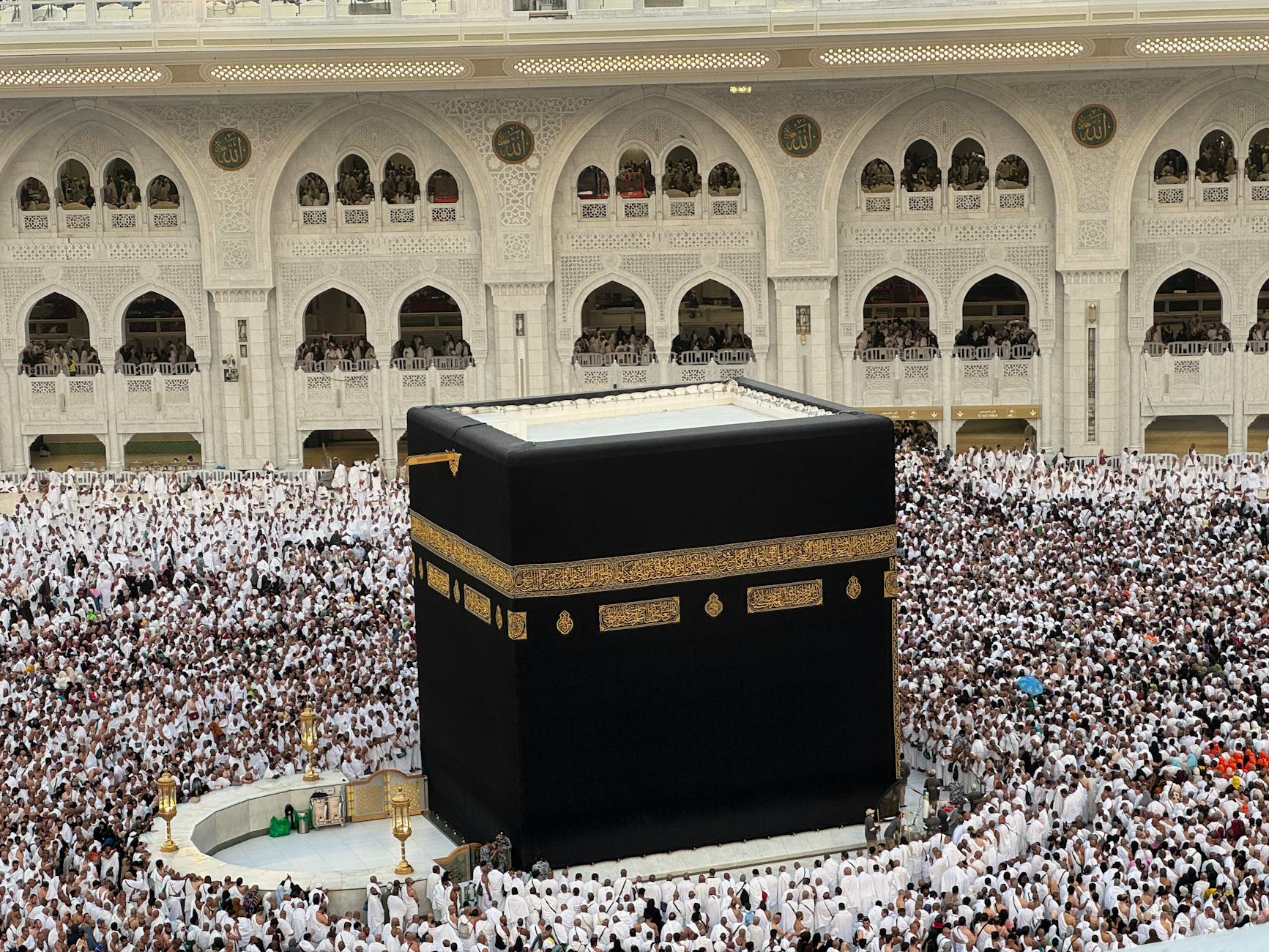
Islam

Abrahamic

Full tradition
d if thou didst behold when the angels caused the unbelievers to die: they strike their faces and their backs,o and say unto them, Taste ye the pain of burning:
Section: chunk 34/73

How this tradition expresses it

The text describes a state of being after death where individuals experience physical-like sensations (such as pain) and are aware of their situation.

Why this supports “Partial Survival

Quranic angelic death.

Nuance

The text describes the experience of the 'unbelievers' specifically during the transition or in the afterlife.

Scholarly note

Angels caused unbelievers to die

Explicit Teachinghigh confidenceAudit: OK· 78%
Data provenance
Auditor
claude-opus-4-6-1m
Audit confidence
78%
Audited
4/10/2026
When a human being is laid in his grave and his companions return and he even hears their footsteps, two angels come to him and make him sit and ask him
Hadith 1338

How this tradition expresses it

Consciousness survives death through a state of questioning and witnessing in the grave, where the soul is made to sit and view its destination.

Why this supports “Partial Survival

Islamic grave questioning.

Scholarly note

Grave interrogation by angels

Explicit Teachinghigh confidenceAudit: Strong· 85%
Data provenance
Auditor
claude-opus-4-6-1m
Audit confidence
85%
Audited
4/10/2026

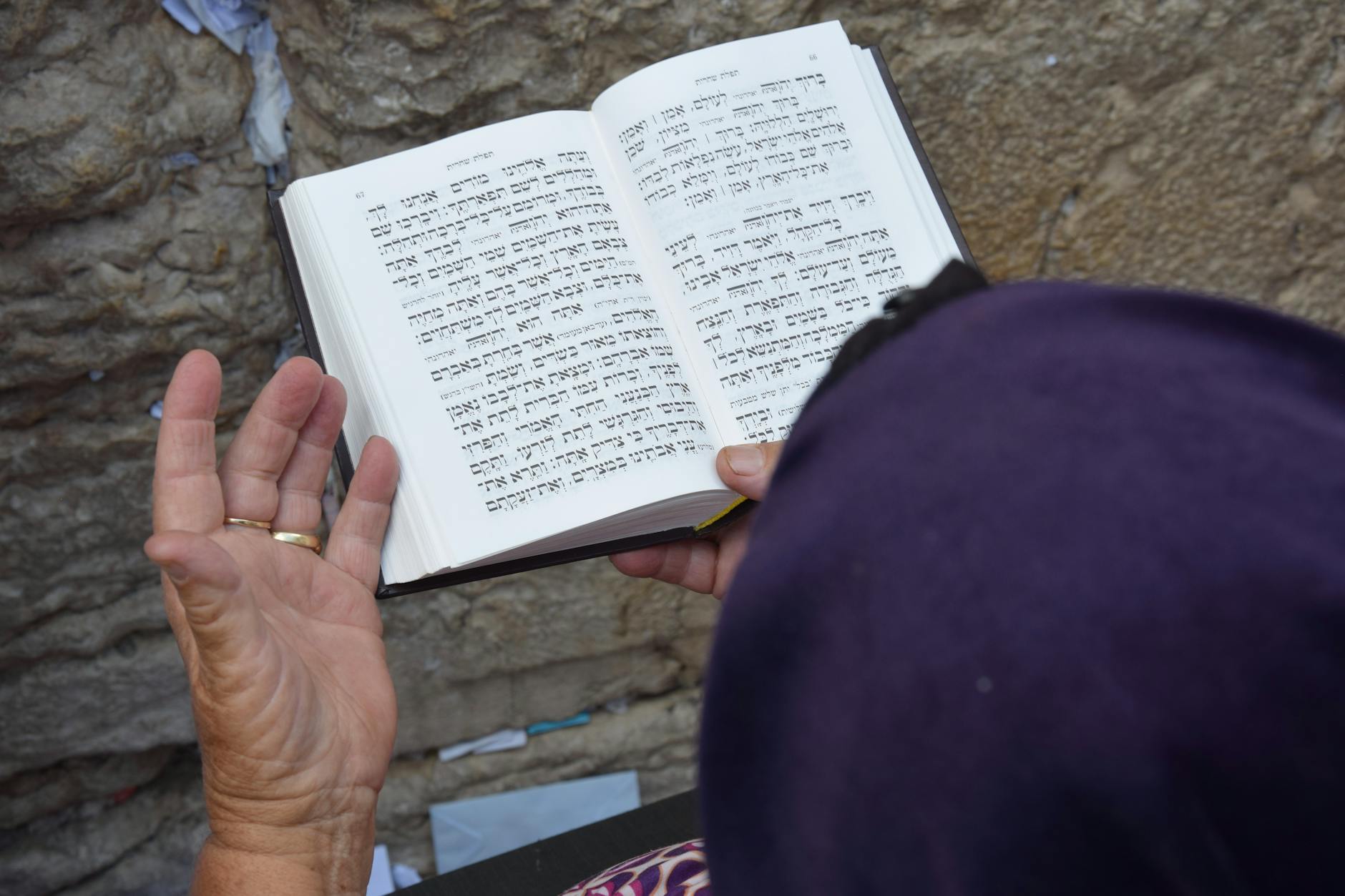
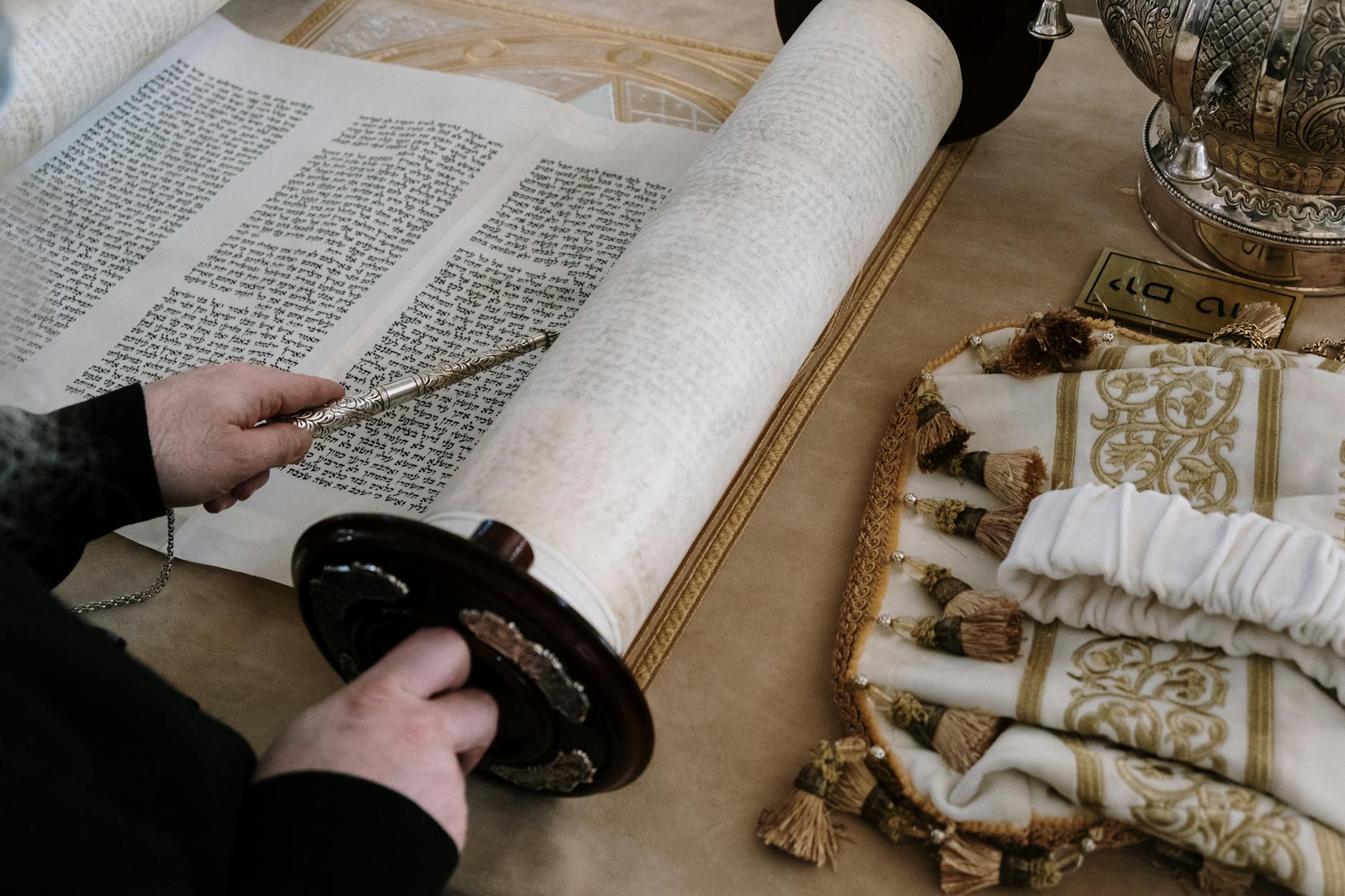
Judaism

Abrahamic

Full tradition
e. And the dust returns to the groundAs it was,And the lifebreath returns to GodWho bestowed it.
Ecclesiastes, chunk 2/2

How this tradition expresses it

The text suggests a return of the lifebreath to the Creator, though it also characterizes the future as nothingness.

Why this supports “Partial Survival

Direct Ecclesiastes 12:7 - spirit returns to God while body returns to dust. Partial survival framework.

Nuance

The text presents a tension between the return of lifebreath to God and the concept of nothingness.

The auditor flagged this claim as ambiguous or weakly matching. See the scholarly note below for context.

Scholarly note

Correct—spirit returns to God while body dissolves

Explicit Teachingmedium confidenceAudit: Contested· 80%
Data provenance
Auditor
comprehensive_cell_audit_v1
Audit confidence
80%
Audited
4/11/2026

Kabbalah

Abrahamic

Full tradition
As for him whose soul left him outside the precincts of the Holy Land, his body is defiled by that impure spirit, which remains in it until it returns to the dust.
Sifra de-Tzniuta

How this tradition expresses it

The survival of the soul is influenced by the physical circumstances of death and the spiritual state of the body left behind.

Why this supports “Partial Survival

Zoharic post-mortem state.

Nuance

The text notes that certain bodies may be subject to the 'impure spirit' depending on where they were left or how they lived.

Scholarly note

Body defiled, soul departed

Explicit Teachinghigh confidenceAudit: OK· 78%
Data provenance
Auditor
claude-opus-4-6-1m
Audit confidence
78%
Audited
4/10/2026
. Whilst these souls are thus ascending, other souls are descending in a similar manner to become crowns to the holy people below. So their activity proceeds, s
Sifra de-Tzniuta (chunk 3/12)

How this tradition expresses it

The text describes a dynamic process where some souls ascend to higher realms while others descend to earth, suggesting consciousness survives death through various states of being.

Why this supports “Partial Survival

Zoharic soul cycle.

Nuance

The movement of souls is described as a 'commotion' of ascending and descending between different paradises and the earthly realm.

Scholarly note

Souls ascending and descending

Direct Implicationhigh confidenceAudit: OK· 78%
Data provenance
Auditor
claude-opus-4-6-1m
Audit confidence
78%
Audited
4/10/2026
those who are “asleep” in Hebron (the Patriarchs); therefore the expression used of them is “expire” (gawa), as of one gone into a trance from which he can be recalled.
Sifra de-Tzniuta, chunk 7/12

How this tradition expresses it

Consciousness or the soul survives death, but its experience is contingent upon the physical state of the body (intact vs. decayed).

Why this supports “Partial Survival

Zoharic sleeping patriarchs.

Nuance

The text suggests that for some, death is like a sleep or a trance from which one can be awakened.

Scholarly note

Patriarchs asleep in Hebron

Direct Implicationhigh confidenceAudit: OK· 78%
Data provenance
Auditor
claude-opus-4-6-1m
Audit confidence
78%
Audited
4/10/2026

Mormonism/LDS

Abrahamic

Full tradition
ust that the souls of them who have been slain have "entered into the rest of their God. CH
Helaman 58:36

How this tradition expresses it

The text suggests that those who are slain in battle enter a state of rest with God, implying a continuation of existence after death.

Why this supports “Partial Survival

LDS spirit paradise.

Scholarly note

Souls of slain into rest

Explicit Teachinghigh confidenceAudit: OK· 78%
Data provenance
Auditor
claude-opus-4-6-1m
Audit confidence
78%
Audited
4/10/2026
I soon go to "rest in the bparadise of God, until my cspirit and body shall again dreunite, and I am brought forth triumphant through th
Mormon 1:34

How this tradition expresses it

The text describes a state where the spirit and body are temporarily separated until a future reunification.

Why this supports “Partial Survival

LDS spirit paradise.

Nuance

The separation is temporary, intended to last until the spirit and body are reunited.

Scholarly note

Rest in paradise until reunite

Explicit Teachinghigh confidenceAudit: Strong· 88%
Data provenance
Auditor
claude-opus-4-6-1m
Audit confidence
88%
Audited
4/10/2026
spirits of those who are righteous are re- ceived into state of ft.;
Alma 40:12-17

How this tradition expresses it

The text indicates that the spirit continues to exist and can experience states of happiness or punishment after the body is no longer active.

Why this supports “Partial Survival

LDS spirit paradise.

Scholarly note

Spirits of righteous in state of happiness

Explicit Teachinghigh confidenceAudit: Strong· 85%
Data provenance
Auditor
claude-opus-4-6-1m
Audit confidence
85%
Audited
4/10/2026

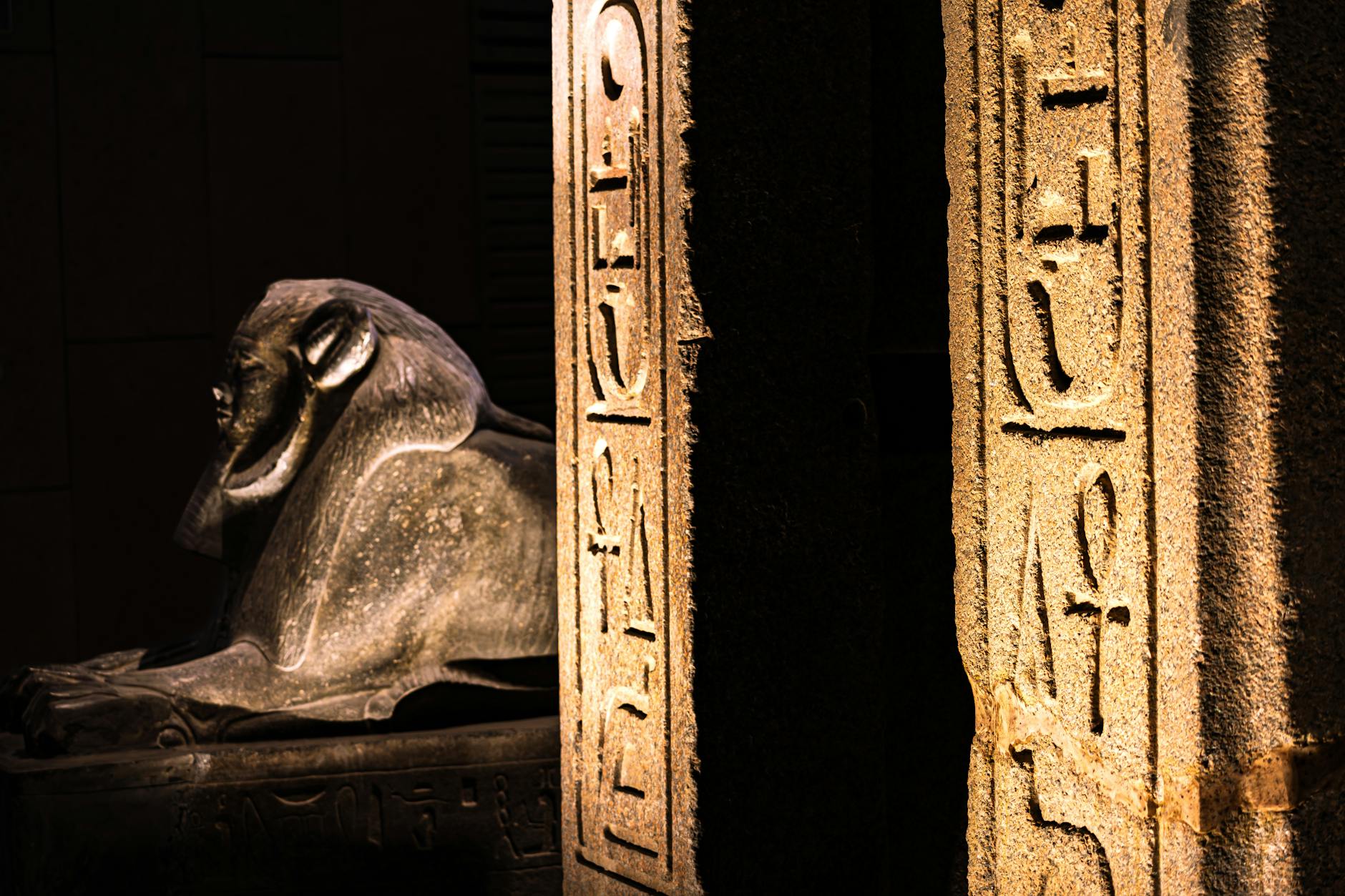
Ancient Egyptian

African/Egyptian/Mesoamerican

Full tradition
I shall not decay, nor rot, nor putrefy, nor become worms, nor see corruption. I shall have my being, I shall live, I shall flourish, I shall rise up in peace.
Chapter CLIV

How this tradition expresses it

The deceased achieves a state of eternal existence, avoiding physical decay and corruption through divine protection.

Why this supports “Partial Survival

Direct Egyptian incorruption affirmation.

The auditor flagged this claim as ambiguous or weakly matching. See the scholarly note below for context.

Scholarly note

Claim is correctly labeled; it represents the incorruption/bodily preservation strand. It should be retained as evidence of the Partial Survival alternative, not reclassified.

Explicit Teachinghigh confidenceAudit: Contested· 80%
Data provenance
Auditor
comprehensive_cell_audit_v1
Audit confidence
80%
Audited
4/11/2026

Indigenous Australian

Indigenous Australian

Full tradition
S. each one still inhabits the same spot in sjjirit form where, in the Alcheringa, he went down into the e
Section: chunk 21/42

How this tradition expresses it

Certain individuals, such as the Onincja, possess a spirit that remains in a specific location in the earth after death.

Why this supports “Partial Survival

Aboriginal localized spirit persistence.

Nuance

The survival is tied to a specific location where the individual went into the earth.

Scholarly note

Each inhabits same spot in spirit form

Explicit Teachinghigh confidenceAudit: OK· 78%
Data provenance
Auditor
claude-opus-4-6-1m
Audit confidence
78%
Audited
4/10/2026
URA. gorge, and there finall)- died, though his spirit remained in the Churinga, which he, like every other Alcheringa individual, carried about with hi
Chapter X, Section: The early Alcheringa

How this tradition expresses it

Consciousness or spirit may remain in physical objects (like a Churinga) after the death of the individual.

Why this supports “Partial Survival

Aboriginal spirit-object linkage.

Nuance

The text describes a specific instance of a spirit remaining in a ritual object.

Scholarly note

Spirit remained in churinga

Explicit Teachinghigh confidenceAudit: OK· 78%
Data provenance
Auditor
claude-opus-4-6-1m
Audit confidence
78%
Audited
4/10/2026
to the Ult/iana or spirit \\hich is supposed to spend part of the time until the final ceremony of mourning has been enacted in the grave, part watching over near rela
Chapter XIV, section on Earth burial

How this tradition expresses it

Consciousness survives death in the form of the Ultiana (spirit), which can interact with the living, observe relatives, or be disturbed by the mention of its name.

Why this supports “Partial Survival

Direct Aboriginal grave-spirit residence.

Nuance

The spirit's activity is subject to specific ritual constraints and the environment of the grave.

Scholarly note

Ultiana spends time in grave

Explicit Teachinghigh confidenceAudit: Strong· 85%
Data provenance
Auditor
claude-opus-4-6-1m
Audit confidence
85%
Audited
4/10/2026

Mandaeism

Iranian

Full tradition
When you are awake and alert and the Mana who dwells in them is awakened, so they will be in the The Court of Justice is not accountable
chunk 24/45

How this tradition expresses it

The text implies a distinction between the soul's survival and the physical state, mentioning the 'mana' (inner spirit/mind) that dwells within.

Why this supports “Partial Survival

Mandaean soul-Mana awakening.

Nuance

The text focuses on the 'mana' being awakened to avoid the power of the planets.

Scholarly note

Mana awakened

Direct Implicationmedium confidenceAudit: OK· 78%
Data provenance
Auditor
claude-opus-4-6-1m
Audit confidence
78%
Audited
4/10/2026

Siberian Shamanic

Siberian Shamanic

Full tradition
oul does not immediately quit the earth, but wanders aliout for some time, and it is possible for a very clever shaman to bring it back.
Section V: The Koryak

How this tradition expresses it

The Koryak believe that while the chief soul may desert the body, other soul components remain, and the soul may wander the earth for a time after death.

Why this supports “Partial Survival

The soul lingers on earth after death and can potentially be retrieved by a shaman, indicating post-mortem persistence of a soul-component in a diminished or displaced state. While there is a temporary dimension to this wandering, it primarily attests to the multi-soul framework where not all components share the same fate.

Nuance

The survival of the soul is subject to the fate of its various components (e.g., the chief soul deserting).

The auditor flagged this claim as ambiguous or weakly matching. See the scholarly note below for context.

Scholarly note

LLM council synthesis (round 2)

Explicit Teachinghigh confidenceAudit: Contested· 95%
Data provenance
Auditor
llm_council_v2
Audit confidence
95%
Audited
4/11/2026
When the soul of the deceased rises to the Supreme Being, the deceased himself and his other soul, or his shadow, descend underground to dwell with the Peninelau
Section III, Koryak

How this tradition expresses it

The Koryak believe the chief soul survives death by rising to the Supreme Being, while other parts of the soul descend to the underworld.

Why this supports “Partial Survival

The explicit bifurcation of the deceased—one soul ascending to the Supreme Being while another descends to the underworld—is the paradigmatic expression of partial survival: the unified person does not survive intact, but distinct soul-components persist along different trajectories.

Nuance

The survival process involves different parts of the soul moving to different realms.

The auditor flagged this claim as ambiguous or weakly matching. See the scholarly note below for context.

Scholarly note

LLM council synthesis (round 2)

Explicit Teachinghigh confidenceAudit: Contested· 95%
Data provenance
Auditor
llm_council_v2
Audit confidence
95%
Audited
4/11/2026
. The second part of the soul does not leave the earth, but changes at the death of the man into a boJcJioldoif. which continues to live in a dwelling on earth
Section: The Moxtiolic Tribes. The Buryat.

How this tradition expresses it

In Buryat tradition, the soul undergoes a process where one part is judged by Erlik-Nomon-Khan, another becomes a bolkholdoii, and a third is reborn.

Why this supports “Partial Survival

Direct Siberian soul-bifurcation.

Nuance

The text notes that the timing and method of reincarnation for the third part is not specified.

Scholarly note

Second part of soul becomes bolkholdoy

Explicit Teachinghigh confidenceAudit: Strong· 88%
Data provenance
Auditor
claude-opus-4-6-1m
Audit confidence
88%
Audited
4/10/2026

Buddhism

South Asian

Full tradition
Craving for continued existence has been cut off; the leash to existence is ended; now there’ll be no more future lives.
Section 21

How this tradition expresses it

The ultimate end for a realized being is the full extinguishment of the life force and the end of all future lives.

Why this supports “Partial Survival

Direct Buddhist EXTINCTION of the unliberated craving-driven existence. The arahant's existence-craving is cut off, ending the cycle.

The auditor flagged this claim as ambiguous or weakly matching. See the scholarly note below for context.

Scholarly note

Reclassified by comprehensive cell audit

Explicit Teachinghigh confidenceAudit: Contested· 80%
Data provenance
Auditor
comprehensive_cell_audit_v1
Audit confidence
80%
Audited
4/11/2026
And having done so, when their body breaks up, after death, they are reborn in a good place, a heavenly realm.
Section 30

How this tradition expresses it

The text suggests that through the merit of honoring the enlightened, individuals can be reborn in favorable states.

Why this supports “Partial Survival

Direct Buddhist good-rebirth doctrine.

The auditor flagged this claim as ambiguous or weakly matching. See the scholarly note below for context.

Scholarly note

Reclassified by comprehensive cell audit

Explicit Teachinghigh confidenceAudit: Contested· 80%
Data provenance
Auditor
comprehensive_cell_audit_v1
Audit confidence
80%
Audited
4/11/2026
It’s the craving that leads to future lives, mixed up with relishing and greed, taking pleasure wherever it lands.
Dhammacakkappavattana Sutta (SN 56.11)

How this tradition expresses it

The text implies a continuity of consciousness through rebirth until the cessation of craving is achieved.

Why this supports “Partial Survival

Direct Buddhist samsaric continuity.

The auditor flagged this claim as ambiguous or weakly matching. See the scholarly note below for context.

Scholarly note

Reclassified by comprehensive cell audit

Direct Implicationhigh confidenceAudit: Contested· 80%
Data provenance
Auditor
comprehensive_cell_audit_v1
Audit confidence
80%
Audited
4/11/2026

Gnosticism

Western Esoteric

Full tradition
-fold division of man’s incorporeal part comes from the belief of Pagan Egypt hardly needs demonstration when we see how closely the Spirit Counterfeit of our text corresponds to the _Ka_ or double, whil
Introduction, paragraph 1

How this tradition expresses it

The text suggests a distinction between the soul's fate and the body, involving a 'Spirit Counterfeit' or double that corresponds to the Egyptian Ka.

Why this supports “Partial Survival

The four-fold division of the incorporeal part (paralleling Egyptian Ka/Ba concepts) implies that not all soul-components share the same post-mortem fate; some aspects may reabsorb into the divine while others (like the 'Counterfeit Spirit') are discarded, supporting Partial Survival through differentiated soul-component destinies.

Nuance

The text notes this as a scholarly comparison to Egyptian belief.

The auditor flagged this claim as ambiguous or weakly matching. See the scholarly note below for context.

Scholarly note

LLM council synthesis

Direct Implicationmedium confidenceAudit: Contested· 95%
Data provenance
Auditor
llm_council_v1
Audit confidence
95%
Audited
4/11/2026

Greek Philosophy

Western Esoteric

Full tradition
if he cannot prove the soul's immortality, he who is about to die will always have reason to fear that when the body is disunited, the soul also may utterly perish.
greek_philosophy_15

How this tradition expresses it

The text explores the possibility that the soul might survive death, though it notes the risk of the soul perishing alongside the body.

Why this supports “Partial Survival

Phaedo passage presenting a rhetorical conditional: *if* the soul cannot be proved immortal, the dying man has reason to fear its perishing. This is Plato setting up the argumentative burden, not asserting Full Survival. The quote should anchor a discussion of how Platonic immortality is *asserted* but *proven difficult*, aligning better with Partial Survival or the contested nature of the doctrine.

Nuance

The text weighs the argument of the soul's strength against the possibility of its ultimate dissolution.

The auditor flagged this claim as ambiguous or weakly matching. See the scholarly note below for context.

Scholarly note

The quote is a conditional rhetorical statement setting up the argumentative burden ('if he cannot prove...'), not an assertion of survival. It belongs in the 'contested' or 'conditionally asserted' category, not Full Survival.

Direct Implicationhigh confidenceAudit: Contested· 80%
Data provenance
Auditor
comprehensive_cell_audit_v1
Audit confidence
80%
Audited
4/11/2026

Neoplatonism

Western Esoteric

Full tradition
By her higher part, she ever remains united to the intelligible world; as, by her lower part, she remains united to the sense-world.
Section 8

How this tradition expresses it

The soul's survival is tied to its dual nature; the higher part remains intact and connected to the intelligible world even during incarnation.

Why this supports “Partial Survival

This is the classic statement of the undescended soul doctrine: the soul's higher part remains eternally united to the intelligible world while its lower part engages with the sensible world. This directly supports Partial Survival, as it distinguishes the eternally surviving intellectual aspect from the embodied lower functions that cease at death.

Nuance

The lower part may be troubled or dominated by sensation, affecting consciousness.

The auditor flagged this claim as ambiguous or weakly matching. See the scholarly note below for context.

Scholarly note

LLM council synthesis (round 2)

Explicit Teachinghigh confidenceAudit: Contested· 95%
Data provenance
Auditor
llm_council_v2
Audit confidence
95%
Audited
4/11/2026
When separated from the body, it must, without any hesitation, be ranked with highest intellectual entities.
neoplatonism_448, Section 10

How this tradition expresses it

The soul is an immortal, divine entity that exists independently of the body, though parts of it may descend into lower forms of life.

Why this supports “Partial Survival

Plotinus states that when separated from the body, the soul must be ranked among the highest intellectual entities. This confirms that the rational, intellectual core of the soul survives and attains its proper elevated status in the intelligible realm after death, supporting Partial Survival insofar as it is the intellectual soul—not the composite embodied personality—that endures.

Nuance

The text implies a distinction between the soul's essence and its engagement with the body.

The auditor flagged this claim as ambiguous or weakly matching. See the scholarly note below for context.

Scholarly note

LLM council synthesis (round 2)

Explicit Teachinghigh confidenceAudit: Contested· 95%
Data provenance
Auditor
llm_council_v2
Audit confidence
95%
Audited
4/11/2026

Theosophy

Western Esoteric

Full tradition
the identity of the soul and spirit, of real, immortal man, as Theosophy teaches us, once proven and deep-rooted in our hearts, would lead us far on the road of real charity and brotherly goodwill.
Section: THE COMMON ORIGIN OF MAN

How this tradition expresses it

The soul and spirit constitute the 'real, immortal man' which exists independently of the physical body.

Why this supports “Partial Survival

The quote distinguishes 'real, immortal man' (soul-spirit) from the temporal personality, affirming that only the higher spiritual individuality survives death. The personality as such does not persist, making this selective survival of the higher principle—partial survival—rather than full survival or wholesale transformation.

Nuance

The text distinguishes between the 'physical envelope' and the 'identity of the soul and spirit'.

The auditor flagged this claim as ambiguous or weakly matching. See the scholarly note below for context.

Scholarly note

LLM council synthesis (round 2)

Explicit Teachinghigh confidenceAudit: Contested· 95%
Data provenance
Auditor
llm_council_v2
Audit confidence
95%
Audited
4/11/2026
The individualization of man after death depends on the spirit, not on his soul and body.
theosophy_510

How this tradition expresses it

The spiritual Ego survives death as a distinct entity, while the personal soul/personality may be annihilated or reabsorbed.

Why this supports “Partial Survival

The quote states that post-mortem individuality 'depends on the spirit, not on his soul and body,' indicating that only the spiritual principle persists while the lower aspects do not survive. This selective survival of the higher principle supports Partial Survival.

Nuance

The personal consciousness survives only through the Devachanic period before being reabsorbed.

The auditor flagged this claim as ambiguous or weakly matching. See the scholarly note below for context.

Scholarly note

LLM council synthesis (round 2)

Explicit Teachinghigh confidenceAudit: Contested· 95%
Data provenance
Auditor
llm_council_v2
Audit confidence
95%
Audited
4/11/2026
the _real_ “Ego” has lived them over and knows them all.
Section VIII

How this tradition expresses it

The Spiritual Ego (the individual) survives bodily death, while the physical personality and its specific memories (Skandhas) perish.

Why this supports “Partial Survival

The 'real Ego' that 'has lived them over and knows them all' refers to the reincarnating higher Ego, not the personal consciousness of any single life. The personal self does not retain this knowledge; only the transpersonal Ego does. This supports partial survival—continuity at the level of the higher individuality, not the personality.

Nuance

The survival is of the Ego/Individuality, not the personal 'I' or the physical brain-based memory.

The auditor flagged this claim as ambiguous or weakly matching. See the scholarly note below for context.

Scholarly note

LLM council synthesis (round 2)

Explicit Teachinghigh confidenceAudit: Contested· 95%
Data provenance
Auditor
llm_council_v2
Audit confidence
95%
Audited
4/11/2026

Chinese_Buddhist_Folk

Independent

Full tradition
李思貞觀二十年正月八日死五日還魂備說善惡之報帛遠講經高僧法祖名帛遠姓萬河內人聰敏有戒行善講眾經道俗歸敬後
passage_74200_75700, chunk_1336
View original(classical_chinese)

李思貞觀二十年正月八日死五日還魂備說善惡之報帛遠講經高僧法祖名帛遠姓萬河內人聰敏有戒行善講眾經道俗歸敬後

How this tradition expresses it

The text describes instances of 'returning soul' (huanhun), where individuals return to the living world after death to report on their experiences in the underworld.

Why this supports “Partial Survival

Li Si dies for five days, his consciousness traverses the underworld observing 'the rewards of good and evil,' and then returns to his body to report. This is a Chinese Buddhist near-death account demonstrating that consciousness persists after death and retains the capacity to perceive and remember. Partial Survival captures the idea that the surviving consciousness is enough to gather information and return, even if the original Chinese huanhun (還魂) framework treats the soul-return as exceptional rather than universal.

Scholarly note

The text describes a man dying for five days and his soul returning to report on the rewards of good and evil. This evidences that consciousness persists after death. The position Partial Survival is defensible but the case described looks more like Full Survival (the person could observe and report) or Temporary Survival.

Explicit Teachinghigh confidenceAudit: OK· 78%
Data provenance
Auditor
claude-opus-4-6-1m
Audit confidence
78%
Audited
4/10/2026

Other answers to this question

NoeticMap Guide

Research Dashboard

How can I help?

Ask about NDEs, research, or this page

Responses may not always be accurate