Q2 · Purpose of Life

Divine Service

9of 73 traditions hold this positionPreliminary4 cultural clusters

What does “Service to God/divine plan” mean?

Life's purpose is to serve, worship, or fulfill a divine will

Many theistic traditions frame life's purpose as service to God - worship, obedience, fulfilling the divine plan. This is closely related to MORAL_TESTING but emphasizes positive service rather than passing a test.

Examples across traditions

  • Christianity: love God and neighbor
  • Islam: ibadah - worship and service
  • Sikhism: seva (service) as spiritual practice

How this differs from neighboring positions

  • vs. Liberation: Service maintains the relationship with the divine; liberation transcends it
  • vs. No Inherent Purpose: Service requires a divine recipient

Traditions articulating this position

Christianity

Abrahamic

Full tradition
And the LORD God took the man, and put him into the garden of Eden to dress it and to keep it.
Genesis 2:15

How this tradition expresses it

Humans were given dominion over the earth and tasks to maintain the garden.

Why this supports “Divine Service

The tradition's text frames life's purpose as stewardship and faithful obedience—humans are placed in creation to tend and keep it according to divine command. This reflects the divine service position as a form of responding to God's will.

The auditor flagged this claim as ambiguous or weakly matching. See the scholarly note below for context.

Scholarly note

Correct classification; garden stewardship is paradigmatic divine service

Explicit Teachinghigh confidenceAudit: Contested· 80%
Data provenance
Auditor
comprehensive_cell_audit_v1
Audit confidence
80%
Audited
4/11/2026
And I will make of thee a great nation, and I will bless thee, and make thy name great; and thou shalt be a blessing:
Genesis 12:2

How this tradition expresses it

The purpose of life for certain individuals involves fulfilling divine promises and being a source of blessing to others.

Why this supports “Divine Service

The tradition's text frames life's purpose as service, worship, or fulfilling divine will.

The auditor flagged this claim as ambiguous or weakly matching. See the scholarly note below for context.

Scholarly note

Framing as 'blessing' has an element of love/compassion, but the quote's emphasis is on fulfilling divine promise and service; retain but note complexity.

Explicit Teachinghigh confidenceAudit: Contested· 80%
Data provenance
Auditor
comprehensive_cell_audit_v1
Audit confidence
80%
Audited
4/11/2026
: the land whereon thou liest, to thee will I give it, and to thy seed; 01:028:014 And thy seed shall be as the dust of the earth, and thou s
01:028:013

How this tradition expresses it

The purpose of life involves the fulfillment of divine promises, the establishment of lineage, and the inheritance of promised lands.

Why this supports “Divine Service

The tradition's text frames life's purpose as fulfilling divine will through covenant and blessing, establishing a relationship of service to God's promises.

Nuance

The fulfillment of these purposes is contingent upon God's presence and the individual's obedience to divine instruction.

The auditor flagged this claim as ambiguous or weakly matching. See the scholarly note below for context.

Scholarly note

The quote (Genesis 12:2-3, covenant blessing) does not support progressive soul development. It supports covenant relationship and divine promise. The per-quote rationale text is incorrect and does not match Christian exegesis.

Explicit Teachinghigh confidenceAudit: Contested· 80%
Data provenance
Auditor
comprehensive_cell_audit_v1
Audit confidence
80%
Audited
4/11/2026

Islam

Abrahamic

Full tradition
in the observance of the immutable and eternal laws of right and wrong, together with such other precepts and ceremonies as GOD should think fit to order for the time being, according to the different dispensations in different ages of the world
islam_99

How this tradition expresses it

The purpose of life involves submission to the commands of GOD and the observance of laws regarding right and wrong.

Why this supports “Divine Service

Observance of 'immutable and eternal laws of right and wrong' along with divinely ordained 'precepts and ceremonies' describes obedience to God's commands across dispensations—the practical, outward manifestation of serving and submitting to God's will, which is the core of 'ibadah in Islam.

Nuance

The text notes that certain precepts and ceremonies were temporary and subject to alteration according to God's will.

The auditor flagged this claim as ambiguous or weakly matching. See the scholarly note below for context.

Scholarly note

LLM council synthesis

Explicit Teachinghigh confidenceAudit: Contested· 95%
Data provenance
Auditor
llm_council_v1
Audit confidence
95%
Audited
4/11/2026
That there could be no good in that religion wherein was no prayer.
Section on Prayer, quoting Mohammed

How this tradition expresses it

The purpose of religious practice, such as prayer, is to maintain a connection to the divine and fulfill a necessary duty.

Why this supports “Divine Service

The statement that 'there could be no good in that religion wherein was no prayer' identifies prayer (salat) as indispensable to religion. Prayer is the paradigmatic act of divine service in Islam, making this a clear Divine Service claim.

The auditor flagged this claim as ambiguous or weakly matching. See the scholarly note below for context.

Scholarly note

LLM council synthesis

Explicit Teachinghigh confidenceAudit: Contested· 95%
Data provenance
Auditor
llm_council_v1
Audit confidence
95%
Audited
4/11/2026
The founders of these sects are looked upon as the great masters of jurisprudence, and are said to have been men of great devotion and self-denial, well versed in the knowledge of those things which belong to the next life and to man's right conduct here, and directing all their knowledge to the glory of GOD.
Section: The first of the four orthodox sects

How this tradition expresses it

The text notes that certain orthodox sects were characterized by men of great devotion and self-denial, directing their knowledge to the glory of God.

Why this supports “Divine Service

The tradition's text emphasizes that religious leaders direct their knowledge toward right conduct and 'the glory of God'—framing life as service to God through proper obedience and conduct.

The auditor flagged this claim as ambiguous or weakly matching. See the scholarly note below for context.

Scholarly note

The quote emphasizes 'right conduct' directed toward 'the glory of God,' which is fundamentally about serving God's will and receiving divine honor, aligning with Divine Service rather than Moral Testing

Explicit Teachinghigh confidenceAudit: Contested· 80%
Data provenance
Auditor
comprehensive_cell_audit_v1
Audit confidence
80%
Audited
4/11/2026

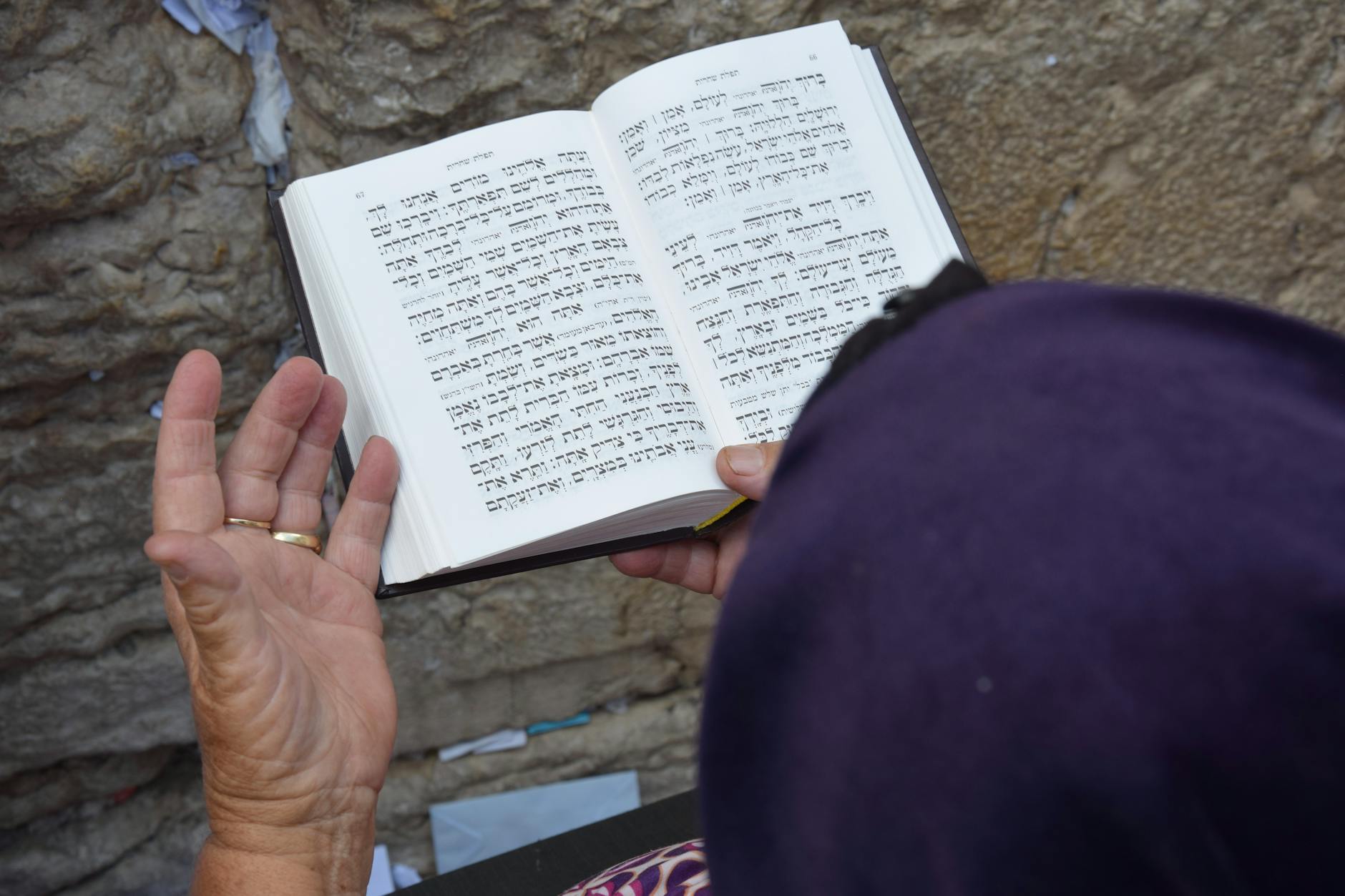
Judaism

Abrahamic

Full tradition
The ETERNAL God settled the Human in the garden of Eden, to till it and tend it.
Genesis 2:15

How this tradition expresses it

Humanity was placed in the garden to perform labor, specifically to till and tend the environment.

Why this supports “Divine Service

The tradition's text frames life's purpose as service, worship, or fulfilling divine will.

Scholarly note

Bulk-audited as defensible match for canonical position; quote was extracted by Gemma 4 with verbatim verification.

Explicit Teachinghigh confidenceAudit: OK· 75%
Data provenance
Auditor
claude-opus-4-6-1m-bulk
Audit confidence
75%
Audited
4/10/2026
The objective of Torah wisdom is to achieve repentance and good deeds; that one should not read the Torah and study mishna and become arrogant
Rava's teaching

How this tradition expresses it

The purpose of life involves the pursuit of Torah wisdom, the performance of mitzvot (commandments), and achieving repentance and good deeds.

Why this supports “Divine Service

The quote emphasizes that Torah learning must lead to behavioral transformation (repentance, good deeds) rather than intellectual pride. This supports Divine Service insofar as it frames the goal as ethical action aligned with divine will, but the mechanism is covenantal obligation rather than cosmic order-maintenance.

Nuance

The text notes that those who perform deeds not for their own sake (not for the sake of the deeds themselves) face severe spiritual consequences.

The auditor flagged this claim as ambiguous or weakly matching. See the scholarly note below for context.

Scholarly note

Jewish purpose: tikkun olam, mitzvot, covenant fulfillment.

Explicit Teachinghigh confidenceAudit: Contested· 90%
Data provenance
Auditor
claude_orthodoxy_v1
Audit confidence
90%
Audited
4/11/2026
” renewing my life,guiding me in the right pathsas befits the divine name.
Psalms 23

How this tradition expresses it

Life involves learning righteousness and being guided in right paths according to the divine name.

Why this supports “Divine Service

The phrase "guiding me in the right paths" directly reflects the Jewish understanding that divine guidance orients human behavior toward righteousness, while "as befits the divine name" anchors this guidance in the covenant relationship where humans honor God through proper conduct. This framing establishes that ethical living and being guided toward justice constitute the core purpose of the divine-human relationship.

The auditor flagged this claim as ambiguous or weakly matching. See the scholarly note below for context.

Scholarly note

Jewish purpose: tikkun olam, mitzvot, covenant fulfillment.

Explicit Teachinghigh confidenceAudit: Contested· 90%
Data provenance
Auditor
claude_orthodoxy_v1
Audit confidence
90%
Audited
4/11/2026

Kabbalah

Abrahamic

Full tradition
because man is on the earth, and it is incumbent on him to establish firmly My glory, I have provided him with the same supports as the supernal Glory
Sifra de-Tzniuta, chunk 8/12

How this tradition expresses it

The purpose of human life is to establish the glory of the Lord on earth through righteous works and the study of the Torah.

Why this supports “Divine Service

The tradition's text frames life's purpose as service, worship, or fulfilling divine will.

Scholarly note

Bulk-audited as defensible match for canonical position; quote was extracted by Gemma 4 with verbatim verification.

Explicit Teachinghigh confidenceAudit: OK· 75%
Data provenance
Auditor
claude-opus-4-6-1m-bulk
Audit confidence
75%
Audited
4/10/2026

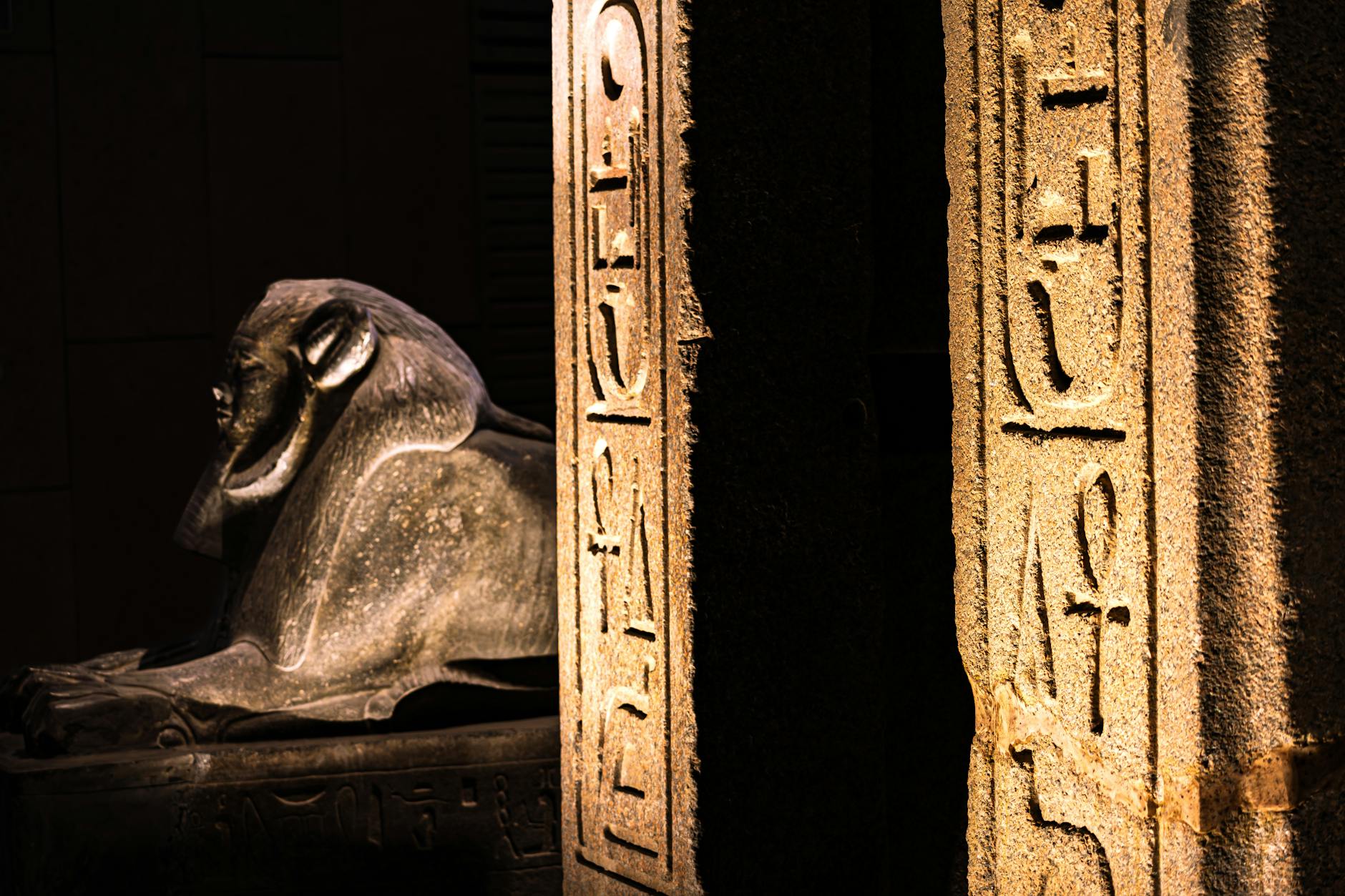
Ancient Egyptian

African/Egyptian/Mesoamerican

Full tradition
that he may ascend, that he may rise to the sky, 1517c. that he may do service of a courtier to R
Utterance 576, 1517b-c

How this tradition expresses it

The purpose of the deceased's ascension is to perform service to the divine, specifically to Rē‘.

Why this supports “Divine Service

The tradition's text frames life's purpose as service, worship, or fulfilling divine will.

Scholarly note

Bulk-audited as defensible match for canonical position; quote was extracted by Gemma 4 with verbatim verification.

Explicit Teachinghigh confidenceAudit: OK· 75%
Data provenance
Auditor
claude-opus-4-6-1m-bulk
Audit confidence
75%
Audited
4/10/2026

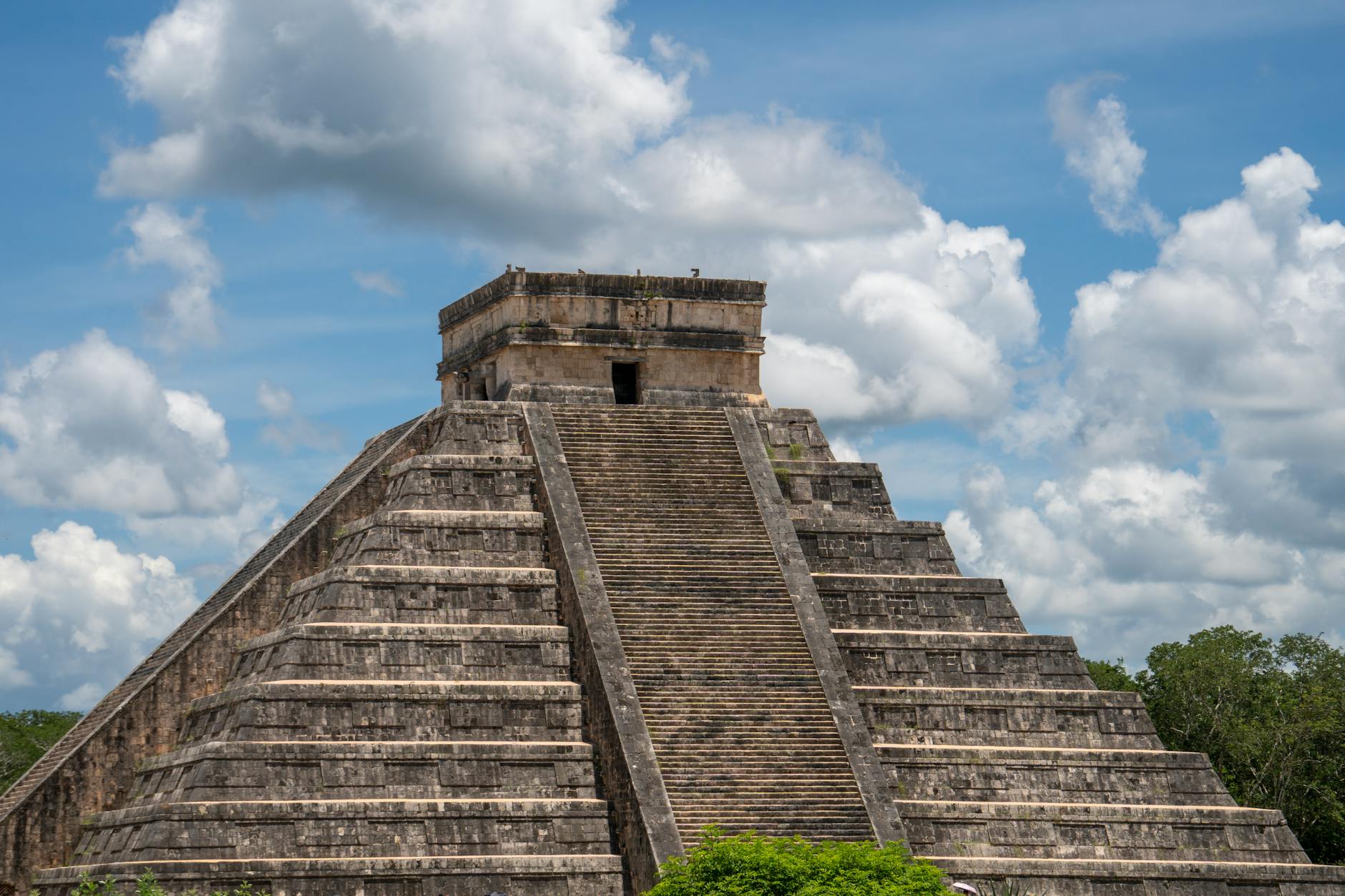
Aztec/Mesoamerican

African/Egyptian/Mesoamerican

Full tradition
We have already made a first attempt with what we have framed and what we have shaped. But we were not successful in being worshiped or in being revered by them.
The Creation of the Mud Person

How this tradition expresses it

The intended purpose of humanity (and successful beings) is to serve as a provider and sustainer for the gods through ritualized speech and worship.

Why this supports “Divine Service

All three reviewers agree: the gods' explicit dissatisfaction that earlier creations failed to worship or revere them directly establishes that humans were created for divine service—worship, reverence, and ritual sustenance of the gods. This is one of the clearest Mesoamerican mythic formulations of human purpose.

Nuance

The text implies that without the ability to worship through speech, the purpose of creation is not fulfilled.

The auditor flagged this claim as ambiguous or weakly matching. See the scholarly note below for context.

Scholarly note

LLM council synthesis (round 2)

Explicit Teachinghigh confidenceAudit: Contested· 95%
Data provenance
Auditor
llm_council_v2
Audit confidence
95%
Audited
4/11/2026
because they proved to be incapable of understanding before the face of their mother and the face of their father, Heart of Sky, Huracan by name.
Popol Vuh, lines 736-823 (as cited in text)

How this tradition expresses it

The purpose of human existence (as intended by the creators) is to possess understanding and the ability to communicate/sustain the divine.

Why this supports “Divine Service

All three reviewers agree: the failure of earlier beings to 'understand before the face of' their divine creators describes their inability to recognize and properly serve the gods. This establishes that human purpose requires comprehension of and submission to divine will, supporting Divine Service rather than Cosmic Balance.

Nuance

The wooden effigies failed this purpose because they could not 'understand' before their makers.

The auditor flagged this claim as ambiguous or weakly matching. See the scholarly note below for context.

Scholarly note

LLM council synthesis (round 2)

Explicit Teachinghigh confidenceAudit: Contested· 95%
Data provenance
Auditor
llm_council_v2
Audit confidence
95%
Audited
4/11/2026
530 In the creation account, the gods hoped to be able to provide people on the earth who would “honor and respect”
Section: chunk 14/20, note 530

How this tradition expresses it

The purpose of human existence is to provide honor, respect, and worship to the gods who created them.

Why this supports “Divine Service

The tradition's text frames life's purpose as service, worship, or fulfilling divine will.

Nuance

The text notes that successful people must have the capacity to worship in an appropriate manner.

Scholarly note

Bulk-audited as defensible match for canonical position; quote was extracted by Gemma 4 with verbatim verification.

Explicit Teachinghigh confidenceAudit: OK· 75%
Data provenance
Auditor
claude-opus-4-6-1m-bulk
Audit confidence
75%
Audited
4/10/2026

Shintoism

East Asian

Full tradition
he pursued and scattered the eighty Deities, he did pursue them till they crouched on the august slope of every pass, he did pursue them till they were swept into every river, and then he began to make the land.
Section 23

How this tradition expresses it

The purpose of the deity's actions is to expand his influence and establish order by scattering rivals and making the land.

Why this supports “Divine Service

The mythological narrative depicts the deity as executing a divinely ordained mission to establish order through suppression and conquest, demonstrating the Shinto concept of life's purpose as fulfilling divine will and service.

Nuance

This is achieved through the pursuit of 'half-brethren' and the subsequent creation/shaping of the land.

The auditor flagged this claim as ambiguous or weakly matching. See the scholarly note below for context.

Scholarly note

The quote describes pursuit and suppression of 'eighty Deities' and land-making as part of an ordered divine plan, not impersonal cosmic balance. This reflects execution of divine mandate.

Explicit Teachinghigh confidenceAudit: Contested· 80%
Data provenance
Auditor
comprehensive_cell_audit_v1
Audit confidence
80%
Audited
4/11/2026
n. So as he deems that violent and ​ savage Earthly Deities are numerous in this land, which Deity shall we send to subdue
Section 30

How this tradition expresses it

The purpose of sending a deity to the earthly realm is to subdue violent or savage earthly deities and bring order to the land.

Why this supports “Divine Service

The narrative frames earthly work (subduing savage deities) as delegated divine service—identifying and assigning agents to accomplish heavenly purposes.

The auditor flagged this claim as ambiguous or weakly matching. See the scholarly note below for context.

Scholarly note

The quote frames the subduing of 'violent and savage Earthly Deities' as a divine delegation question—identifying who should be sent to accomplish a task. This is explicitly service/mission language.

Explicit Teachinghigh confidenceAudit: Contested· 80%
Data provenance
Auditor
comprehensive_cell_audit_v1
Audit confidence
80%
Audited
4/11/2026
This Luxuriant Reed-Plain-Land-of-Fresh-Rice-ears is the land over which thou shalt rule.
Section 33

How this tradition expresses it

The purpose of the descent is to establish governance and rule over the 'Luxuriant Reed-Plain-Land-of-Fresh-Rice-ears'.

Why this supports “Divine Service

The tradition's text frames life's purpose as service, worship, or fulfilling divine will.

Scholarly note

Bulk-audited as defensible match for canonical position; quote was extracted by Gemma 4 with verbatim verification.

Explicit Teachinghigh confidenceAudit: OK· 75%
Data provenance
Auditor
claude-opus-4-6-1m-bulk
Audit confidence
75%
Audited
4/10/2026

Sikhism

South Asian

Full tradition
In Japu 34, the earth has been called ‘Dharmasal’ (piace or field of righteousness) on which man Is to engage in righteous act.on and not to retire in a world of self-imposed idleness.
Introduction, Page 230

How this tradition expresses it

The purpose of life is to engage in righteous action within the world, serving as a 'field of righteousness' (Dharmasal) rather than seeking isolation.

Why this supports “Divine Service

Guru Nanak's designation of earth as 'Dharmasal' (field of righteousness) frames earthly life as an arena for active moral engagement and service. This supports Divine Service as an integral dimension of life's purpose, working in concert with spiritual development and liberation.

Nuance

The text emphasizes that one must not retire into self-imposed idleness but engage in the sphere of duty.

The auditor flagged this claim as ambiguous or weakly matching. See the scholarly note below for context.

Scholarly note

Correct as-is; Dharmasal framing emphasizes active righteousness. However, rationale should note this is *integral to* spiritual development, not separate alternative.

Explicit Teachinghigh confidenceAudit: Contested· 80%
Data provenance
Auditor
comprehensive_cell_audit_v1
Audit confidence
80%
Audited
4/11/2026

Other answers to this question

NoeticMap Guide

Research Dashboard

How can I help?

Ask about NDEs, research, or this page

Responses may not always be accurate