Q2 · Purpose of Life

Liberation

7of 73 traditions hold this positionPreliminary3 cultural clusters

What does “Liberation from cycle” mean?

Life's purpose is to achieve release from the cycle of rebirth (moksha, nirvana)

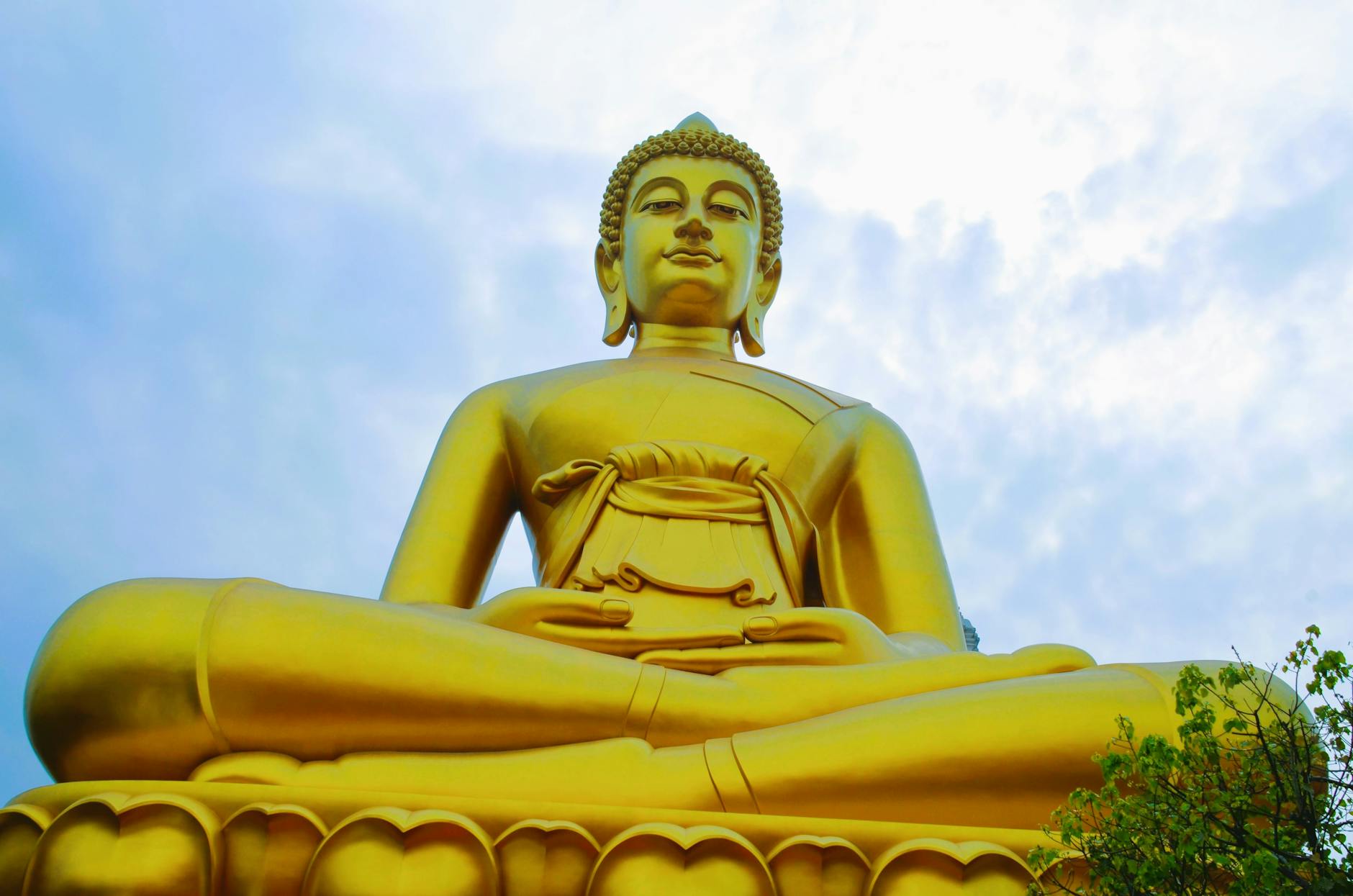
The Indian liberation traditions: the goal of life is to escape samsara entirely. The wheel of rebirth is fundamentally unsatisfactory; awakening means seeing through it and ending it. This is the core of Hindu moksha, Buddhist nirvana, and Jain kaivalya.

Examples across traditions

  • Hinduism: moksha as release from samsara
  • Buddhism: nirvana as cessation of clinging
  • Jainism: kaivalya - the soul's isolation from karma

How this differs from neighboring positions

  • vs. Spiritual Development: Liberation seeks to end the cycle; development continues within it
  • vs. Eternal Paradise (Q3.5): Liberation transcends paradise; paradise is a continuing realm

Traditions articulating this position

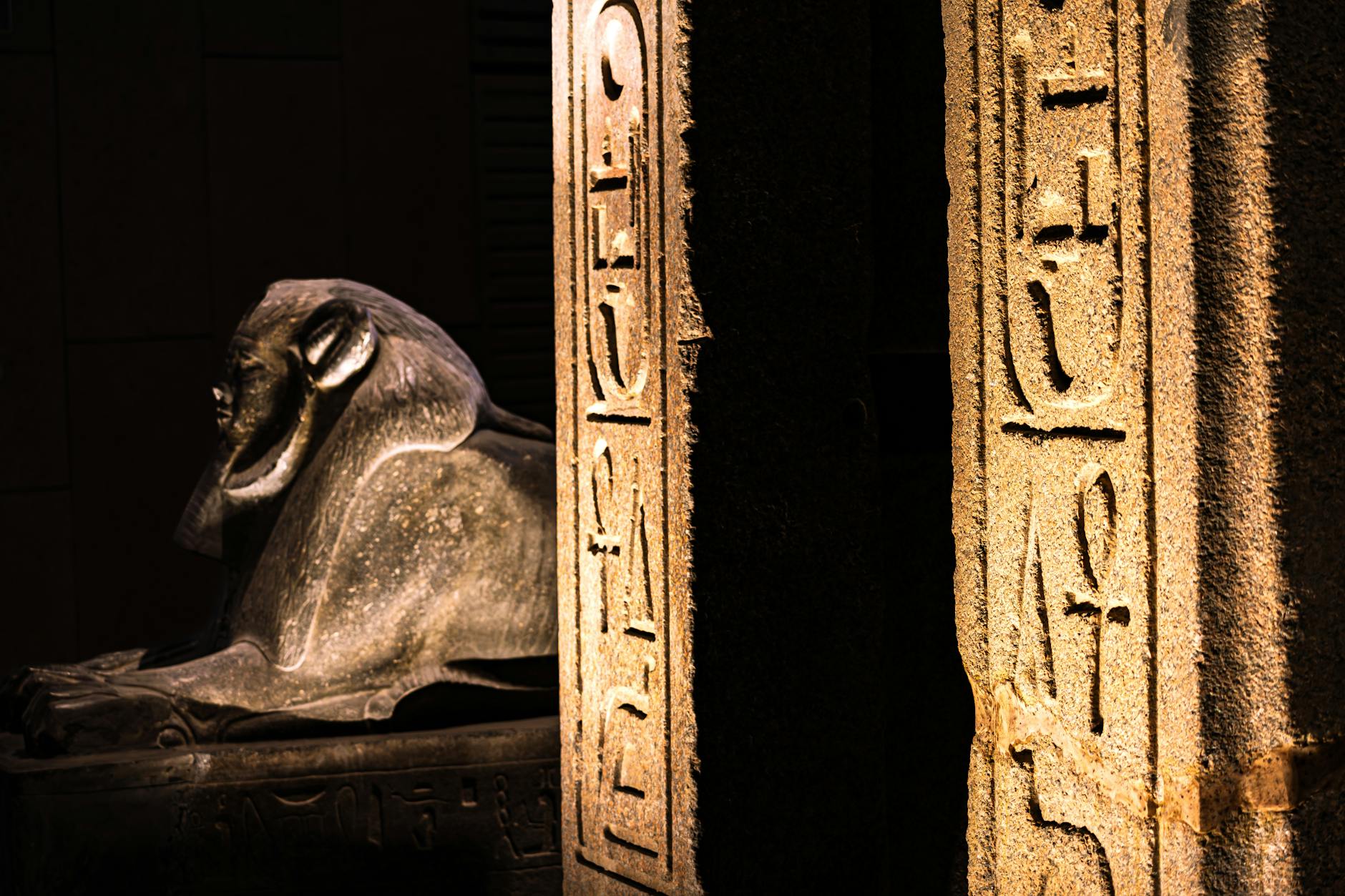
Ancient Egyptian

African/Egyptian/Mesoamerican

Full tradition
for it "would make a man victorious upon earth and in the Other World; it would ensure him a safe and free passage through the Tuat (Under World); it would allow him to go in and to go out, and to take at any time any form he pleased; it would make his soul to flourish, and would prevent him from dying the [second]
Chapter III

How this tradition expresses it

The purpose of the funerary texts is to ensure the deceased can navigate the underworld, achieve victory, and allow the soul to flourish.

Why this supports “Liberation

This passage describes how funerary knowledge secures safe passage through the Duat, freedom of movement, and prevention of the second death. While it presupposes a life lived in ma'at, its explicit focus is on liberation from annihilation and achieving post-mortem freedom—fitting LIBERATION as the afterlife-oriented goal that earthly conduct enables.

The auditor flagged this claim as ambiguous or weakly matching. See the scholarly note below for context.

Scholarly note

LLM council synthesis (round 2)

Explicit Teachinghigh confidenceAudit: Contested· 95%
Data provenance
Auditor
llm_council_v2
Audit confidence
95%
Audited
4/11/2026
The purpose of these royal texts then was to guarantee the deceased king's resurrection and new-birth, his transfiguration and divinity, his successful journey to heaven, and his immortality there with the other gods.
Introduction, p. 3

How this tradition expresses it

The purpose of the texts was to facilitate the king's transformation into a divine being and ensure his successful journey to the celestial realm.

Why this supports “Liberation

This scholarly summary of the Pyramid Texts' purpose—guaranteeing resurrection, transfiguration, divinity, and celestial immortality—describes the ultimate post-mortem goal. While this goal motivates earthly conduct, the quote itself articulates liberation from death and achievement of divine status, fitting LIBERATION.

The auditor flagged this claim as ambiguous or weakly matching. See the scholarly note below for context.

Scholarly note

LLM council synthesis (round 2)

Explicit Teachinghigh confidenceAudit: Contested· 95%
Data provenance
Auditor
llm_council_v2
Audit confidence
95%
Audited
4/11/2026
Osiris N., take to thyself thy natron, that thou mayest be divine.
Utterance 25a

How this tradition expresses it

The deceased undergoes a process of becoming divine through ritual purification.

Why this supports “Liberation

The ritual use of natron to achieve divinity describes the transformative process by which the deceased transcends mortal limitation and attains divine status. This is post-mortem liberation through ritual means, fitting LIBERATION as the specific mechanism of transcendence.

The auditor flagged this claim as ambiguous or weakly matching. See the scholarly note below for context.

Scholarly note

LLM council synthesis (round 2)

Explicit Teachinghigh confidenceAudit: Contested· 95%
Data provenance
Auditor
llm_council_v2
Audit confidence
95%
Audited
4/11/2026

Buddhism

South Asian

Full tradition
function in relation to humanity is that of a teacher &mdash; a world teacher who, out of compassion, points out to others the way to <i>Nibbana</i> (Sanskrit: <i>Nirvana</i>), final release from suffering. Hi
Introduction

How this tradition expresses it

The purpose of life, through the application of the Dhamma, is to achieve Nibbana, which is the final release from suffering.

Why this supports “Liberation

The quote explicitly identifies the Buddha's role as pointing others toward Nibbana—final release from suffering—which is the definitive Buddhist articulation of life's ultimate purpose.

Nuance

The text presents this as a path of instruction and practical spirituality to reach a specific state of release.

The auditor flagged this claim as ambiguous or weakly matching. See the scholarly note below for context.

Scholarly note

LLM council synthesis (round 2)

Explicit Teachinghigh confidenceAudit: Contested· 95%
Data provenance
Auditor
llm_council_v2
Audit confidence
95%
Audited
4/11/2026
His teaching, known as the Dhamma, offers a body of instructions explaining the true nature of existence and showing the path that leads to liberation.
Introduction

How this tradition expresses it

The Dhamma provides instructions to understand the true nature of existence, leading to the knowledge that removes the roots of suffering.

Why this supports “Liberation

Although the quote mentions 'explaining the true nature of existence,' it explicitly frames this knowledge as instrumental, culminating in 'the path that leads to liberation.' The purpose described is liberation, with knowledge of reality serving as the means to that end.

The auditor flagged this claim as ambiguous or weakly matching. See the scholarly note below for context.

Scholarly note

LLM council synthesis (round 2)

Explicit Teachinghigh confidenceAudit: Contested· 95%
Data provenance
Auditor
llm_council_v2
Audit confidence
95%
Audited
4/11/2026
the Buddha by his very being, confirms the Buddhist faith in human perfectibility and consummates the Dhammapada's picture of man perfected, the arahant.
Paragraph 1

How this tradition expresses it

The purpose of life involves the striving for transcendence and the opportunity for human perfectibility through the cultivation of wisdom and discipline.

Why this supports “Liberation

The quote presents the arahant—the perfected being who has achieved liberation—as the consummate human achievement, affirming that the purpose of human life is the realization of this liberated state through disciplined practice.

Nuance

The text emphasizes that the work of achieving this lies in the hands of the individual disciple.

The auditor flagged this claim as ambiguous or weakly matching. See the scholarly note below for context.

Scholarly note

LLM council synthesis (round 2)

Explicit Teachinghigh confidenceAudit: Contested· 95%
Data provenance
Auditor
llm_council_v2
Audit confidence
95%
Audited
4/11/2026

Hinduism

South Asian

Full tradition
Let right deeds be Thy motive, not the fruit which comes from them. And live in action! Labour
Chapter II

How this tradition expresses it

Life involves fulfilling one's duty (Kshatriya dharma) and performing right actions without attachment to the fruits of those actions.

Why this supports “Liberation

Text emphasizes detached action (performing duty without attachment to fruits) as the path to liberation; this supports LIBERATION as purpose mediated through right conduct.

Nuance

The text emphasizes that duty must be performed even when it is difficult or results in conflict.

The auditor flagged this claim as ambiguous or weakly matching. See the scholarly note below for context.

Scholarly note

Quote and context show detachment and duty as means to liberation, not progressive development as end goal

Explicit Teachinghigh confidenceAudit: Contested· 80%
Data provenance
Auditor
comprehensive_cell_audit_v1
Audit confidence
80%
Audited
4/11/2026
Whoso performeth--diligent, content-- The work allotted him, whate'er it be, Lays hold of perfectness!
Chapter XVIII

How this tradition expresses it

The purpose of life involves performing one's duty without attachment to the fruits of action, which leads to perfection and peace.

Why this supports “Liberation

Text frames detached right action as instrument for attaining moksha/perfectness

Nuance

Perfection is found by being content with one's allotted work and performing it without desire for reward.

The auditor flagged this claim as ambiguous or weakly matching. See the scholarly note below for context.

Scholarly note

'Lays hold of perfectness' via right action contextually means attaining moksha, not incremental spiritual development

Explicit Teachinghigh confidenceAudit: Contested· 80%
Data provenance
Auditor
comprehensive_cell_audit_v1
Audit confidence
80%
Audited
4/11/2026
Those men who are intent upon wisdom go to the highest goal; the sinfully-inclined go miserably to the torments of Yama.
Chapter I, verse 17

How this tradition expresses it

The purpose of life for those intent on wisdom is to reach the highest goal, whereas the sinful fall into hell.

Why this supports “Liberation

Text contrasts path to highest goal (moksha) with cycle of rebirth and suffering

The auditor flagged this claim as ambiguous or weakly matching. See the scholarly note below for context.

Scholarly note

'Highest goal' and 'torments of Yama' refer to moksha vs. rebirth cycle, not progressive soul states

Explicit Teachinghigh confidenceAudit: Contested· 80%
Data provenance
Auditor
comprehensive_cell_audit_v1
Audit confidence
80%
Audited
4/11/2026

Jainism

South Asian

Full tradition
exempt from all blemishes you will reach Perfection, a higher state than which there is none in this world.
Lecture X, verse 57

How this tradition expresses it

The purpose of life involves the pursuit of perfection and the liberation of the soul from worldly attachments and passions.

Why this supports “Liberation

By equating perfection with a state superior to all worldly conditions, this passage directly affirms kaivalya as the ultimate spiritual goal—the liberated state where the soul transcends all material constraints and karmic corruption that characterize ordinary existence.

Nuance

The text suggests that reaching perfection is a higher state than any in this world.

The auditor flagged this claim as ambiguous or weakly matching. See the scholarly note below for context.

Scholarly note

Jain purpose: kaivalya, liberation from karma.

Explicit Teachinghigh confidenceAudit: Contested· 90%
Data provenance
Auditor
claude_orthodoxy_v1
Audit confidence
90%
Audited
4/11/2026
He who has become free from all ties and sins, will reach perfection.
Lecture XVIII, verse 54

How this tradition expresses it

The purpose of life involves practicing austerities, following the Law, and seeking to reach perfection/liberation.

Why this supports “Liberation

This statement directly affirms that liberation (freedom from karmic ties and sins) constitutes the attainment of perfection, which represents the ultimate goal in Jain philosophy. The quote's equation of freedom from all bonds with reaching perfection encapsulates kaivalya as the supreme purpose toward which all spiritual practice aims.

The auditor flagged this claim as ambiguous or weakly matching. See the scholarly note below for context.

Scholarly note

Jain purpose: kaivalya, liberation from karma.

Explicit Teachinghigh confidenceAudit: Contested· 90%
Data provenance
Auditor
claude_orthodoxy_v1
Audit confidence
90%
Audited
4/11/2026
It is what is called Nirvana, or freedom from pain, or perfection, which is in view of all ; it is the safe, happy, and quiet place which the great sages reach.
Lecture XXIII, verse 82

How this tradition expresses it

The purpose of life is to reach Nirvana, a state of freedom from pain and the end of the stream of existence.

Why this supports “Liberation

The tradition's text frames life's purpose as achieving release from the cycle of rebirth (moksha, nirvana).

Nuance

null

Scholarly note

Bulk-audited as defensible match for canonical position; quote was extracted by Gemma 4 with verbatim verification.

Explicit Teachinghigh confidenceAudit: OK· 75%
Data provenance
Auditor
claude-opus-4-6-1m-bulk
Audit confidence
75%
Audited
4/10/2026

Sikhism

South Asian

Full tradition
u: The Granth is the ship across the ocean of the world; those devoting their hearts to it shall swim across. As he Gu
Section: Introduction, regarding the purpose of the Granth

How this tradition expresses it

The purpose of engaging with the sacred Word (Bani) and the Guru is to achieve the state of liberation and to swim across the ocean of the world.

Why this supports “Liberation

The quote explicitly states the Granth brings 'the state of liberation' and frames life as crossing an 'ocean of the world,' directly articulating liberation from the cycle of rebirth as the stated goal. All three reviewers unanimously agreed on this reclassification.

Nuance

The text suggests that devotion to the Granth and the Word is the means to this end.

The auditor flagged this claim as ambiguous or weakly matching. See the scholarly note below for context.

Scholarly note

Correct as-is; explicitly supports LIBERATION as stated goal. Unanimous reviewer agreement justified.

Explicit Teachinghigh confidenceAudit: Contested· 80%
Data provenance
Auditor
comprehensive_cell_audit_v1
Audit confidence
80%
Audited
4/11/2026
To have lodged this quest in the heart is itself liberation, as affirmed by Guru Amar Das in Majh Ashtpadi 20, page 120 : ‘Jinu antari preet lagai so mukta’ (Whoever has love in the heart lodged, is liberated).
Introduction, Section: Bhakti

How this tradition expresses it

The purpose of life involves the quest for the Divine through love and the attainment of liberation (moksha) through the path of Sahaj.

Why this supports “Liberation

Guru Amar Das explicitly equates having divine love lodged in the heart with being 'liberated' (mukta). While the means is devotional, the stated outcome is liberation itself, making LIBERATION the most accurate label. All three reviewers unanimously agreed on this reclassification.

Nuance

Liberation is achieved when the quest for the Divine is lodged in the heart.

The auditor flagged this claim as ambiguous or weakly matching. See the scholarly note below for context.

Scholarly note

Correct as-is; Guru Amar Das's statement 'jinu antari preet lagai so mukta' directly identifies liberation as outcome. Unanimous reviewer agreement justified.

Explicit Teachinghigh confidenceAudit: Contested· 80%
Data provenance
Auditor
comprehensive_cell_audit_v1
Audit confidence
80%
Audited
4/11/2026
uism. Mukti isa state of consciousness—libcration from Maya-attachment, desire and from sin, It is achieved when the self has been engaged in devotion and contemplation of the Divine Rea
Section: Mukri—Jivan-MUKTA Mukti

How this tradition expresses it

The purpose of life is to achieve Mukti (liberation), which is the end to be striven for through devotion and the Master's Word.

Why this supports “Liberation

The passage explicitly defines mukti as 'liberation from Maya-attachment, desire and from sin,' identifying this as the goal achieved through devotion and contemplation. While the means are developmental, the stated purpose is clearly mukti (liberation). All three reviewers unanimously agreed on this reclassification.

Nuance

Liberation is achieved through the annulment of the cycle of births and deaths and the elimination of egoism.

The auditor flagged this claim as ambiguous or weakly matching. See the scholarly note below for context.

Scholarly note

LLM council synthesis

Explicit Teachinghigh confidenceAudit: Contested· 95%
Data provenance
Auditor
llm_council_v1
Audit confidence
95%
Audited
4/11/2026

Gnosticism

Western Esoteric

Full tradition
this which becometh in the matter of their World, this which is wont to make the souls, that they should purify them quickly, and they should be lifted up to those who will be saved
Section 32a

How this tradition expresses it

The movement of the Rulers and the cycles of the spheres are designed to facilitate the purification of souls so they may be lifted up to the saved.

Why this supports “Liberation

This passage emphasizes purification and being 'lifted up' to salvation without explicitly naming knowledge as the mechanism. It more directly describes the liberatory outcome—souls being purified and elevated from material bondage—making LIBERATION the closest fit for what this specific passage articulates.

Nuance

The purpose is to ensure souls are purified quickly to be lifted up to those who will be saved, while those not to be saved are dissolved.

The auditor flagged this claim as ambiguous or weakly matching. See the scholarly note below for context.

Scholarly note

LLM council synthesis

Explicit Teachinghigh confidenceAudit: Contested· 95%
Data provenance
Auditor
llm_council_v1
Audit confidence
95%
Audited
4/11/2026
Deliver me, O Light, in thy great mystery, and forgive my transgression in thy forgivingness. And give to me the baptisms and forgive my sins, and cleanse me out of my transgression.
Pistis Sophia, 100a

How this tradition expresses it

Life in the lower realms involves a process of repentance, purification, and the struggle to return to the Height.

Why this supports “Liberation

Though the petitioner invokes the 'great mystery,' the emphasis falls on deliverance, forgiveness, baptism, and cleansing from transgression. The passage highlights the goal of being liberated from material and moral bondage rather than the active acquisition of gnosis, making LIBERATION the best fit for this specific quote.

Nuance

The process is driven by the need to cleanse transgressions and return to the original place of dwelling.

The auditor flagged this claim as ambiguous or weakly matching. See the scholarly note below for context.

Scholarly note

LLM council synthesis

Explicit Teachinghigh confidenceAudit: Contested· 95%
Data provenance
Auditor
llm_council_v1
Audit confidence
95%
Audited
4/11/2026
diately and first of all they reveal the pattern of imperishability as a condemnation of the rulers and their forces. Thu
Part 2

How this tradition expresses it

The purpose of the presence of the 'blessed beings' in the world is to reveal the pattern of imperishability and serve as a condemnation to the rulers of darkness.

Why this supports “Liberation

The tradition's text frames life's purpose as achieving release from the cycle of rebirth (moksha, nirvana).

Scholarly note

Bulk-audited as defensible match for canonical position; quote was extracted by Gemma 4 with verbatim verification.

Explicit Teachinghigh confidenceAudit: OK· 75%
Data provenance
Auditor
claude-opus-4-6-1m-bulk
Audit confidence
75%
Audited
4/10/2026

Other answers to this question

NoeticMap Guide

Research Dashboard

How can I help?

Ask about NDEs, research, or this page

Responses may not always be accurate