Q1 · Why Embodied

Karmic Necessity

6of 53 traditions hold this positionPreliminary3 cultural clusters

What does “Karmic necessity” mean?

Incarnation is driven by accumulated karma that must be worked through

The Indian view: souls take new bodies because of karma - the accumulated weight of past actions that requires further experience to be resolved. This is not punishment but cause-and-effect. Incarnation is necessary because karma cannot be cleared in any other way; it must be worked through experientially. This is central to Hinduism, Jainism, Sikhism, and Buddhism (in slightly different formulations).

Examples across traditions

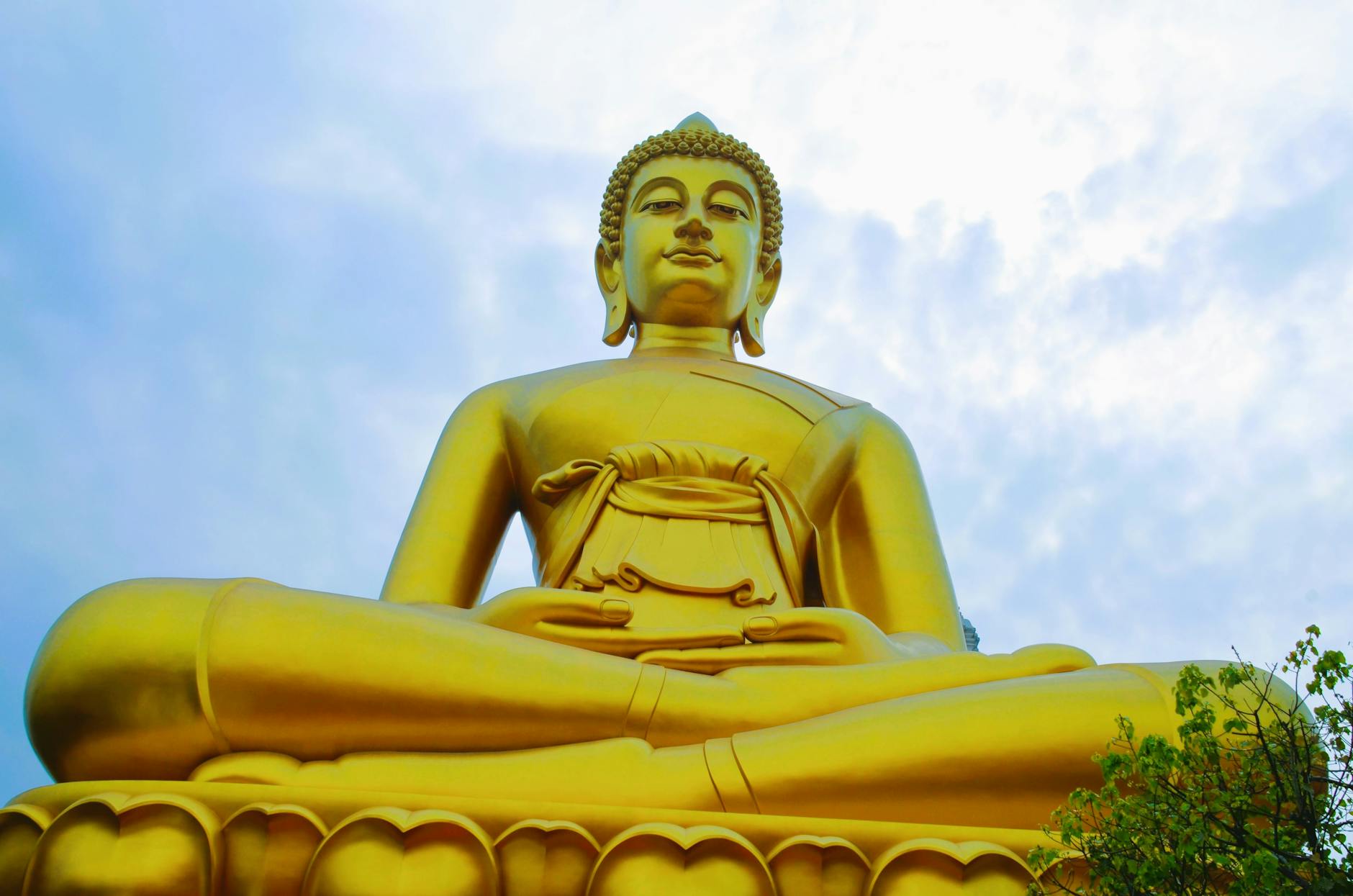
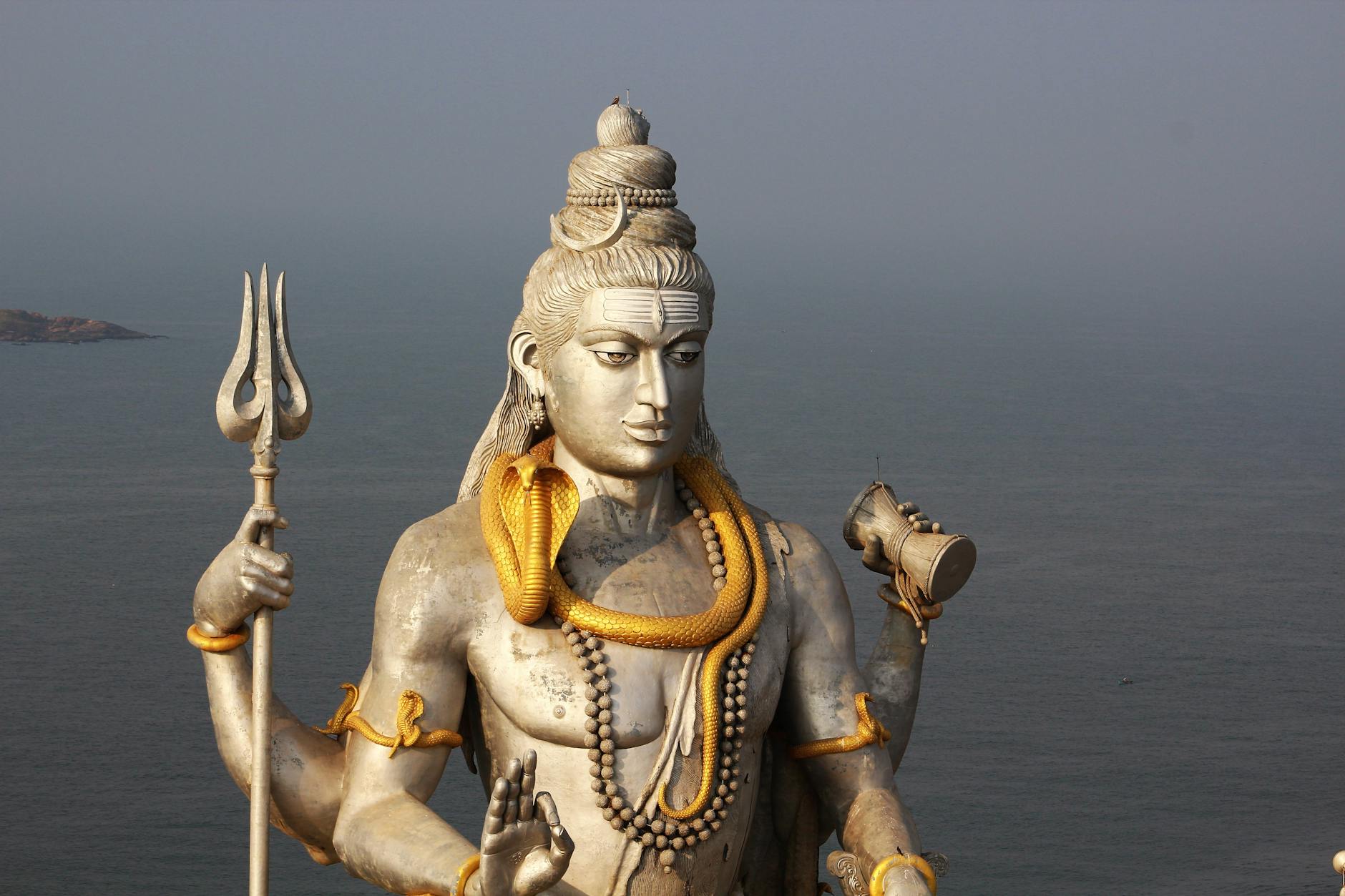
  • Hinduism: karma binds the soul to samsara
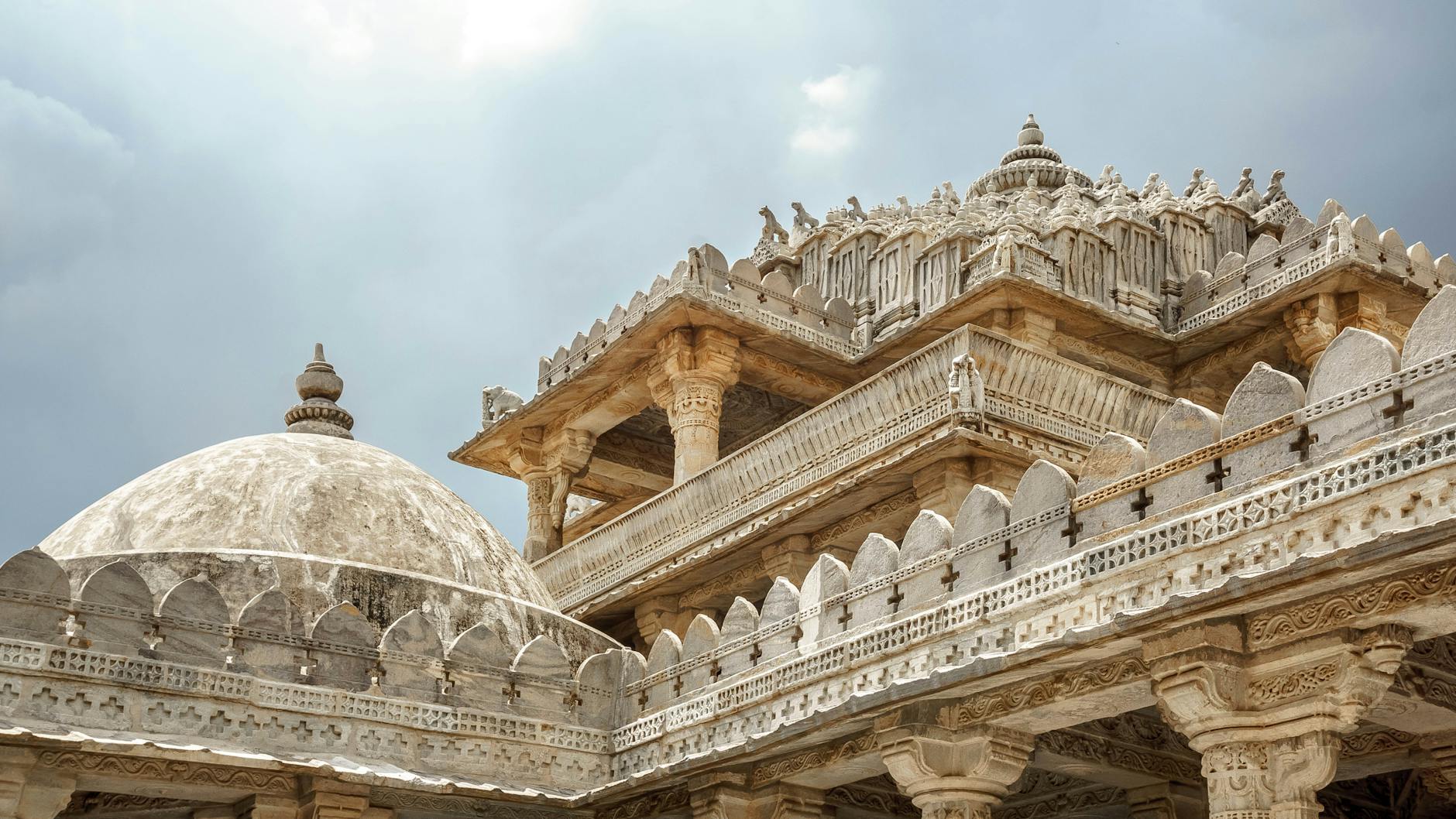
  • Jainism: karma as material accretions on the soul
  • Buddhism: tanha (craving) drives rebirth
  • Theosophy: karma forces the Causal Body to incarnate

How this differs from neighboring positions

  • vs. Voluntary Choice: Karmic necessity is compulsion; voluntary choice is freedom
  • vs. Divine Assignment: Karma is impersonal cause-and-effect; divine assignment is intentional

Traditions articulating this position

Spiritism

Modern Empirical

Full tradition
we have zz ourselves our “hell” and our ‘‘ heaven,” and that we find our ‘‘ purgatory” in ¢he state of incarnation, 1n our successtve corporeal or physical lives.
Section 16

How this tradition expresses it

The state of incarnation (the physical life) is understood as a form of 'purgatory' for the spirit.

Why this supports “Karmic Necessity

Spiritism teaches that the moral consequences of deeds are experienced as states of incarnation - hell, heaven, and purgatory are karmic conditions of life.

Nuance

The text identifies the state of incarnation as the specific context for this purgatory.

Scholarly note

Spiritism: hell, heaven, purgatory experienced through successive incarnations - karmic state.

Explicit Teachinghigh confidenceAudit: Strong· 88%
Data provenance
Auditor
claude-opus-4-6-1m
Audit confidence
88%
Audited
4/10/2026

Buddhism

South Asian

Full tradition
They also teach a series of successive existences therein until morality, devotion, and knowledge produce that high form of detach- ment which is the cause of Liberation from the cycle of birth and death called ‘The Wandering’ (or Sangsara
Foreword, p. xxix

How this tradition expresses it

Life is characterized by a series of successive existences driven by morality, devotion, and knowledge until liberation is achieved.

Why this supports “Karmic Necessity

Buddhist doctrine of successive existences accumulating morality, devotion, and knowledge until liberation - the karmic mechanism that drives incarnation.

Scholarly note

Successive existences for moral development - karmic framework.

Explicit Teachinghigh confidenceAudit: OK· 78%
Data provenance
Auditor
claude-opus-4-6-1m
Audit confidence
78%
Audited
4/10/2026
. The law which deter- mines that a being shall incarnate is the same as that which provides the means and conditions by, and under, which the incarnation is to take pla
Workings of Karma, p. xliii

How this tradition expresses it

The process of birth and the conditions of incarnation are determined by the law of Karma.

Why this supports “Karmic Necessity

Buddhist karma doctrine: the same karmic law that necessitates incarnation also provides its conditions. Direct Karmic Necessity.

Scholarly note

Direct: 'the law which determines that a being shall incarnate is the same as that which provides the means.'

Explicit Teachinghigh confidenceAudit: Strong· 92%
Data provenance
Auditor
claude-opus-4-6-1m
Audit confidence
92%
Audited
4/10/2026
That this cause is a yearning or thirsting after sensation, after the unstable sangsaric existence ;
Section: The Fundamental Teachings Summarized

How this tradition expresses it

Life is driven by a 'yearning or thirsting after sensation' and the 'innate or karmic propensities of desire' for grosser sensations.

Why this supports “Karmic Necessity

Buddhist tanha (craving) doctrine: thirst for sensory existence is the cause of continued samsaric incarnation. Direct karmic mechanism.

Scholarly note

Direct: 'cause is a yearning or thirsting after sensation, after the unstable sangsaric existence.'

Explicit Teachinghigh confidenceAudit: Strong· 92%
Data provenance
Auditor
claude-opus-4-6-1m
Audit confidence
92%
Audited
4/10/2026

Hinduism

South Asian

Full tradition
The work of Brahmans, Kshatriyas, Vaisyas, And Sudras, O thou Slayer of thy Foes! Is fixed by reason of the Qualities Planted in each:
Chapter XVIII

How this tradition expresses it

Human existence is defined by the performance of natural duties (dharma) assigned by one's own nature and the qualities (Gunas) inherent in them.

Why this supports “Karmic Necessity

The Bhagavad Gita's teaching that caste duties are fixed by gunas and prior karma frames the conditions of incarnation as karmically determined.

Nuance

One must perform their natural duty even if it is subject to blame, as no one can stand wholly aloof from action while in the body.

Scholarly note

Hindu varnashrama: caste-work fixed by qualities/karma. Implies karmic necessity of role.

Explicit Teachinghigh confidenceAudit: OK· 78%
Data provenance
Auditor
claude-opus-4-6-1m
Audit confidence
78%
Audited
4/10/2026
Having experienced the good or the bad actions, in accordance with his former earning,--then, as the result of his 1 actions, some disease arises.
Chapter I, verse 19

How this tradition expresses it

The circumstances of life and the suffering experienced are the direct result of one's own past actions and earnings.

Why this supports “Karmic Necessity

Hindu doctrine that one experiences good and bad in accordance with prior actions - the karmic mechanism driving each new incarnation.

Scholarly note

Direct: 'as the result of his actions...' specific karmic causation of next life.

Explicit Teachinghigh confidenceAudit: Strong· 90%
Data provenance
Auditor
claude-opus-4-6-1m
Audit confidence
90%
Audited
4/10/2026

Jainism

South Asian

Full tradition
ll living beings owe their present form of exis tence to their own Karman ; timid, wicked, suffering latent misery, they err about (in the Circle of Births), subject to birth, old age, and death
BOOK I, LECTURE 2, CHAPTER 3, Verse 17

How this tradition expresses it

Existence in the current form is determined by the individual's own past actions (Karman).

Why this supports “Karmic Necessity

Jain doctrine: beings owe their current form of existence to their own karma. Direct, comprehensive Karmic Necessity.

Scholarly note

Direct: 'all living beings owe their present form of existence to their own Karman.'

Explicit Teachinghigh confidenceAudit: Strong· 94%
Data provenance
Auditor
claude-opus-4-6-1m
Audit confidence
94%
Audited
4/10/2026
a man and a woman combine in cohabitation in a cunnus, which was produced by their Karman, and there they deposit their humours.
Section 20

How this tradition expresses it

The circumstances of birth and the specific nature of a being's life are determined by the accumulation of Karman.

Why this supports “Karmic Necessity

Jain account of conception as karmically produced cohabitation evidences the karmic mechanism at the moment of incarnation.

Nuance

The text notes that birth is contingent on various factors like semen, blood, and other circumstances as dictated by Karman.

Scholarly note

Karmic framework of conception described.

Explicit Teachinghigh confidenceAudit: OK· 78%
Data provenance
Auditor
claude-opus-4-6-1m
Audit confidence
78%
Audited
4/10/2026
When the remembrance of his former birth came upon the illustrious M^gaputra, he remembered his previous birth and his having been then a Sra.ma.na.
Lecture XIX, verse 7

How this tradition expresses it

The text suggests that the current state of life is a result of previous existence and that one must deal with the consequences of past actions.

Why this supports “Karmic Necessity

Mrgaputra's karmic memory demonstrates that karma persists across multiple embodied lives and shapes consciousness within the cycle. This supports Karmic Necessity as the determinant of rebirth and form within an ongoing cycle, but does not address why embodied life was first entered.

The auditor flagged this claim as ambiguous or weakly matching. See the scholarly note below for context.

Scholarly note

Keep label but revise rationale: The claim demonstrates karmic continuity across incarnations (a prerequisite for Karmic Necessity) but the quote itself is testimonial/biographical, not a philosophical statement about why embodied entry occurs. Rationale should honestly note this is indirect/contextual evidence rather than direct causal claim.

Direct Implicationhigh confidenceAudit: Contested· 80%
Data provenance
Auditor
comprehensive_cell_audit_v1
Audit confidence
80%
Audited
4/11/2026

Sikhism

South Asian

Full tradition
In transmigration is man whirled, Acting as directed by his tendencies of former deeds.
SRI RAGA (9.7)

How this tradition expresses it

Human existence and the actions taken within it are governed by Divine Ordinance and the consequences of one's own deeds.

Why this supports “Karmic Necessity

Sikh teaching: transmigration is driven by tendencies (samskaras) from former deeds - direct karmic necessity.

Nuance

The text notes that while actions are directed by tendencies of former deeds, ultimately things happen as the Lord wills.

Scholarly note

Direct: 'man whirled, acting as directed by his tendencies of former deeds.'

Explicit Teachinghigh confidenceAudit: Strong· 92%
Data provenance
Auditor
claude-opus-4-6-1m
Audit confidence
92%
Audited
4/10/2026
The egoist for ever in the womb and into eyele of births is fallen.
sikhism_654, Section 6

How this tradition expresses it

The state of being in the womb and the subsequent life is characterized by the consequences of past actions and the struggle of the ego.

Why this supports “Karmic Necessity

Sikh teaching that egoism (haumai) keeps one trapped in the cycle of births - karmic mechanism rooted in egoic attachment.

Scholarly note

Egoist trapped in womb and birth cycle.

Explicit Teachinghigh confidenceAudit: Strong· 88%
Data provenance
Auditor
claude-opus-4-6-1m
Audit confidence
88%
Audited
4/10/2026
Over innumerable lives have We wandered, In eating and drinking. frivolous activities! invoived.
sikhism_672, Sloka

How this tradition expresses it

Humanity exists in a state of wandering through various lives due to previous actions and the cycle of birth and death.

Why this supports “Karmic Necessity

Sikh testimony of innumerable lives spent in worldly attachments - the karmic continuity that drives further births.

Scholarly note

Direct: 'innumerable lives... involved in eating drinking frivolous activities.'

Explicit Teachinghigh confidenceAudit: Strong· 88%
Data provenance
Auditor
claude-opus-4-6-1m
Audit confidence
88%
Audited
4/10/2026

Theosophy

Western Esoteric

Full tradition
It is that Ego, that “Causal Body,” which overshadows every personality Karma forces it to incarnate into; and this Ego which is held responsible for all the sins committed
Section VIII

How this tradition expresses it

The Ego is forced to incarnate into various personalities to fulfill its role, and it is the Ego that is held responsible for the sins committed through every new body.

Why this supports “Karmic Necessity

Theosophy explicitly teaches that karma forces the Causal Body (Higher Ego) to incarnate into each new personality. Direct karmic necessity.

Nuance

The personality is an evanescent mask for the true Individual.

Scholarly note

Direct Theosophy: 'Karma forces it to incarnate.'

Explicit Teachinghigh confidenceAudit: Strong· 92%
Data provenance
Auditor
claude-opus-4-6-1m
Audit confidence
92%
Audited
4/10/2026
ence. It passes from the one plane, or stratum, or condition of nature to the other under the guidance of its Karmic affinities; living in incarnations the life which its Karma has pre-ord
Theosophy: The Key to Theosophy, Section: chunk 9/16

How this tradition expresses it

The soul passes through alternate periods of physical and spiritual existence guided by its own karmic affinities and pre-ordained destiny.

Why this supports “Karmic Necessity

Theosophical teaching that the soul moves between planes guided by karmic affinities - direct mechanism of karmic necessity.

Nuance

Progress is modified by the limitations of circumstances and the development of fresh karma through the use or abuse of opportunities.

Scholarly note

Direct: 'under the guidance of its Karmic affinities.'

Explicit Teachinghigh confidenceAudit: Strong· 92%
Data provenance
Auditor
claude-opus-4-6-1m
Audit confidence
92%
Audited
4/10/2026
It is Karma, or our old acts, that draws us back into earthly life.
theosophy_515

How this tradition expresses it

The impulse for rebirth is driven by the necessity to resolve the consequences of past actions and desires.

Why this supports “Karmic Necessity

Theosophy's most direct articulation: karma (old acts) draws the soul back into earthly life - paradigmatic Karmic Necessity.

Nuance

The spirit's abode changes according to its Karma.

Scholarly note

Direct: 'It is Karma, or our old acts, that draws us back into earthly life.'

Explicit Teachinghigh confidenceAudit: Strong· 94%
Data provenance
Auditor
claude-opus-4-6-1m
Audit confidence
94%
Audited
4/10/2026

Other answers to this question

NoeticMap Guide

Research Dashboard

How can I help?

Ask about NDEs, research, or this page

Responses may not always be accurate