Q1 · Why Embodied

Voluntary Choice

4of 53 traditions hold this positionPreliminary3 cultural clusters

What does “Voluntary choice” mean?

The soul freely chose to incarnate, often with awareness of the life plan

Spiritism, Theosophy, and modern channeled traditions teach that souls actively choose their incarnations - selecting parents, life circumstances, and trials with full awareness of what they will face (forgetting only after birth). This is the most agentive view of incarnation: not compulsion, not assignment, but informed free choice for the soul's own benefit.

Examples across traditions

  • Spiritism: spirit chooses next existence and trials
  • Theosophy: between-lives planning
  • Mahayana Buddhism: bodhisattva vow to incarnate voluntarily

How this differs from neighboring positions

  • vs. Karmic Necessity: Choice and necessity are direct opposites - one freedom, one compulsion
  • vs. Divine Assignment: Voluntary choice is the soul's; assignment comes from God

Traditions articulating this position

Gnosticism

Western Esoteric

Full tradition
I came down unto the Chaos, [100^b] I transgressed before thee, that thy precept should be comple
Pistis Sophia, 100a

How this tradition expresses it

The descent into Chaos and the subsequent afflictions serve to complete the 'precept' or the 'First Mystery'.

Why this supports “Voluntary Choice

Pistis Sophia frames descent as obedient fulfillment of divine precept—the soul transgresses *in order to complete* the divine plan. This models Voluntary Choice by divine agents, but within a Divine Assignment framework (the higher power sends them with a mission they willingly accept). The rationale should clarify that this is not passive fall, but chosen cooperation with divine salvific design.

Nuance

The suffering is tied to the completion of divine processes and the fulfillment of the First Mystery.

The auditor flagged this claim as ambiguous or weakly matching. See the scholarly note below for context.

Scholarly note

Describes voluntary transgression ('I transgressed...that thy precept should be completed'), not passive fall. Reframe as obedient, chosen descent.

Explicit Teachinghigh confidenceAudit: Contested· 80%
Data provenance
Auditor
comprehensive_cell_audit_v1
Audit confidence
80%
Audited
4/11/2026

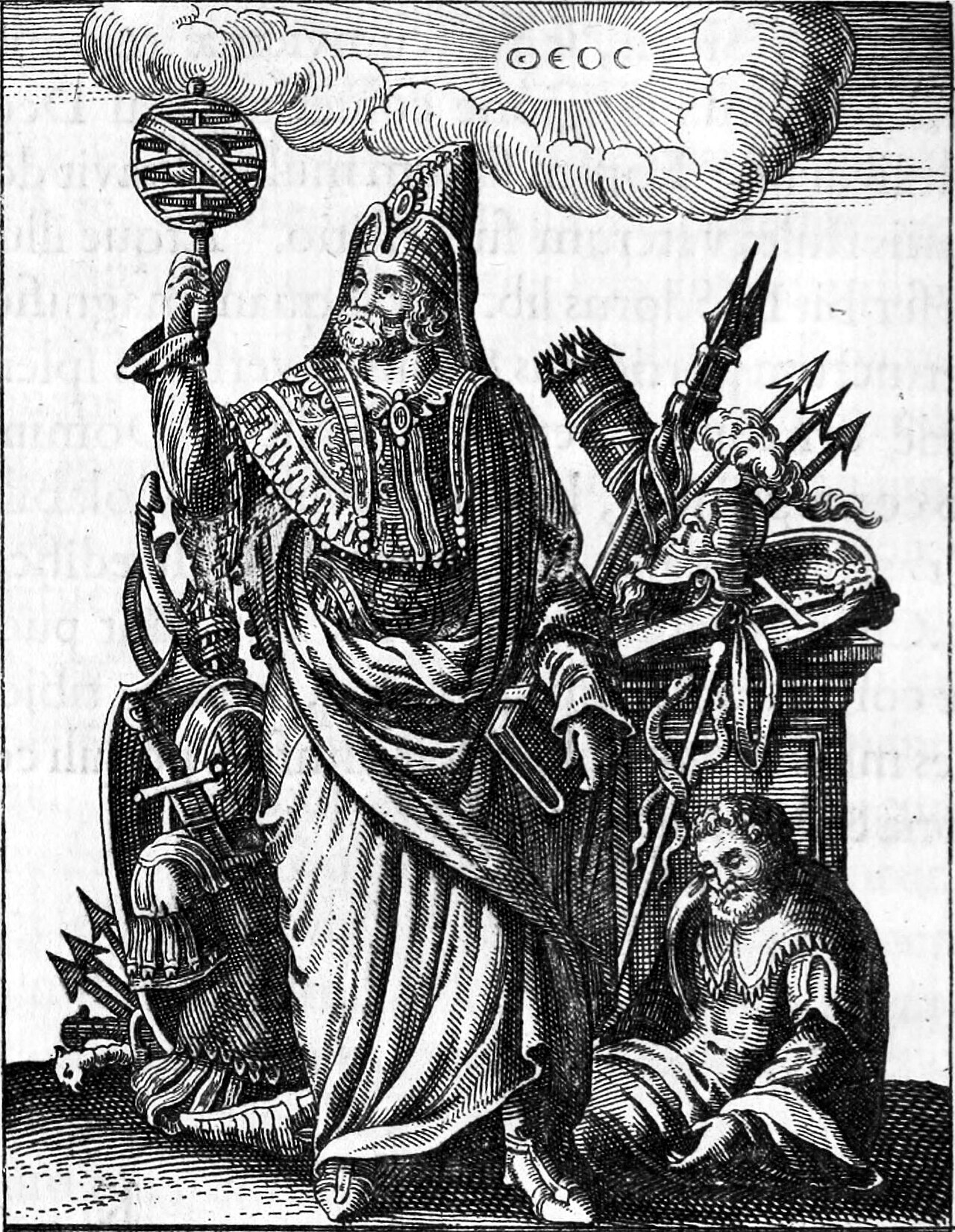
Hermeticism

Western Esoteric

Full tradition
. And feeing in the Water a ihape, a fhape like unto himfelf, in himfelf he loved it, and would coha- bit with it 5 and immediately upon the refolution, enfued the Operation, and brought forth the
The second Book of Hermes, 24

How this tradition expresses it

The descent of the 'substantial man' into the material world was driven by an impulse of love and a desire to cohabit with the reflection in the water.

Why this supports “Voluntary Choice

The Hermetic Poimandres myth describes the Anthropos seeing his reflection in the cosmic waters and becoming enamored with it, then voluntarily choosing to inhabit material form. This represents Voluntary Choice: embodiment is motivated by the soul's own desire and attraction to the material image, not imposed as punishment by higher powers.

Nuance

This act is described as an 'Error of Love' that leads to mortality.

The auditor flagged this claim as ambiguous or weakly matching. See the scholarly note below for context.

Scholarly note

The Poimandres passage describes the Anthropos's willing descent and union with matter prompted by desire/love, not coercion or punishment by divine decree. The narrative shows agency and attraction, not a fall.

Explicit Teachinghigh confidenceAudit: Contested· 80%
Data provenance
Auditor
comprehensive_cell_audit_v1
Audit confidence
80%
Audited
4/11/2026

Neoplatonism

Western Esoteric

Full tradition
Wishing to ornament matter on the model of the Ideas she contemplated in Intelligence, in haste to exhibit her fruitfulness, and to manifest the germs she bears within her (as said Plato, i
Enneads, Section 13

How this tradition expresses it

The soul descends into a body due to its own inclination to manifest the germs of its own fruitfulness and to administer a portion of the world.

Why this supports “Voluntary Choice

The soul's 'wishing to ornament matter' and desire 'to exhibit her fruitfulness' present descent as self-motivated creative activity. The soul separates from the universal Soul by its own autonomous impulse, not by external compulsion. This is the locus classicus for the constructive reading of tolma as voluntary, purposive descent.

Nuance

The soul's intelligence remains impassible and stays outside the body even during descent.

The auditor flagged this claim as ambiguous or weakly matching. See the scholarly note below for context.

Scholarly note

LLM council synthesis (round 2)

Explicit Teachinghigh confidenceAudit: Contested· 95%
Data provenance
Auditor
llm_council_v2
Audit confidence
95%
Audited
4/11/2026
Being a lower divinity, she descends here below by a voluntary inclination, for the purpose of developing her power, and to adorn what is below her.
Section 5, 'Prompt Flight Here Below'

How this tradition expresses it

The descent of the soul into a body can be seen as a result of a voluntary inclination to develop power and administer the lower realm.

Why this supports “Voluntary Choice

The explicit phrase 'voluntary inclination' and the stated purpose 'to develop her power and to adorn what is below her' directly encode the constructive Plotinian reading: the soul descends by its own agency for a creative, world-adorning purpose. This is the clearest textual support for Voluntary Choice in the Plotinian corpus.

Nuance

The text also allows for the possibility that descent is a result of necessity or divine punishment.

The auditor flagged this claim as ambiguous or weakly matching. See the scholarly note below for context.

Scholarly note

LLM council synthesis (round 2)

Explicit Teachinghigh confidenceAudit: Contested· 95%
Data provenance
Auditor
llm_council_v2
Audit confidence
95%
Audited
4/11/2026

Chinese_Buddhist_Folk

Independent

Full tradition
此諸菩薩。或時示現無量化身雲。或現其身獨一無侶。所謂或現沙門身。或現婆羅門身。或現苦行身。或現充盛身。或現醫王身。或現商主身。或現淨命身。或現伎樂身。或現奉事諸天身。或現工巧技術身。往詣一切村營城邑。王都聚落諸眾生所。隨其所應。以種種形相。種種威儀。種種音聲。種種言論。種種住處。於一切世間。猶如帝網行菩薩行。
Section: passage_216600_218100
View original(classical_chinese)

此諸菩薩。或時示現無量化身雲。或現其身獨一無侶。所謂或現沙門身。或現婆羅門身。或現苦行身。或現充盛身。或現醫王身。或現商主身。或現淨命身。或現伎樂身。或現奉事諸天身。或現工巧技術身。往詣一切村營城邑。王都聚落諸眾生所。隨其所應。以種種形相。種種威儀。種種音聲。種種言論。種種住處。於一切世間。猶如帝網行菩薩行。

How this tradition expresses it

Bodhisattvas manifest in various forms and locations to mature and benefit all sentient beings through wisdom and skillful means.

Why this supports “Voluntary Choice

Mahayana bodhisattvas freely choose to enter embodied existence in many forms specifically to teach and liberate sentient beings. The text emphasizes their voluntary skillful manifestation across all walks of life - this is the bodhisattva vow in action, which fits Voluntary Choice more precisely than Spiritual Growth. The growth is for the beings being taught, not for the bodhisattvas themselves.

Scholarly note

The passage describes bodhisattvas manifesting in various forms (śramaṇa, brahmin, ascetic, healer, merchant, musician, craftsman) to reach all beings. The link to Spiritual Growth is that bodhisattvas come to mature beings, which is a form of soul development. However, this is about why advanced bodhisattvas incarnate, not why ordinary beings enter embodied life - the question Q1.3 actually asks. A better-fitting Q1.3 position might be Voluntary Choice (the bodhisattva vow) or Divine Assignment.

Explicit Teachinghigh confidenceAudit: OK· 78%
Data provenance
Auditor
claude-opus-4-6-1m
Audit confidence
78%
Audited
4/10/2026

NDE Research Corroboration

Modern Near-Death Experience research provides empirical phenomena relevant to the “Voluntary Choice” position. Each feature below is supported by peer-reviewed research and is described with the rationale for why it links to this position.

Choice to Return

30% of NDErs report this(~30% in NDE accounts including a clear decision moment)

moderate

The experiencer is offered a choice to return to their body or stay in the other realm, often connected to unfinished tasks or family responsibilities.

Why this corroborates “Voluntary Choice

The fact that NDErs report active choice about returning to embodied life provides phenomenological support for the broader claim that incarnation involves voluntary choice by the soul - that we are agents, not passive subjects, of our embodiment.

Research citations (1)
  • Long 2014: Voluntary return decisions

Other answers to this question

NoeticMap Guide

Research Dashboard

How can I help?

Ask about NDEs, research, or this page

Responses may not always be accurate