Q3 · Long-Term Destiny

One Life Only

11of 44 traditions hold this positionPreliminary6 cultural clusters

What does “One life only” mean?

Each soul incarnates exactly once; no rebirth

The orthodox Abrahamic view: each soul lives exactly one earthly life. There is no rebirth. After death comes judgment, then the final state. This is the standard Christian, Islamic, and Jewish position.

Examples across traditions

  • Christianity: appointed unto men once to die
  • Islam: single life followed by judgment and resurrection
  • Judaism: single life with focus on this world

How this differs from neighboring positions

  • vs. Cyclical Rebirth: Direct opposites
  • vs. Resurrection: Both deny rebirth, but resurrection adds bodily return at end times

Traditions articulating this position

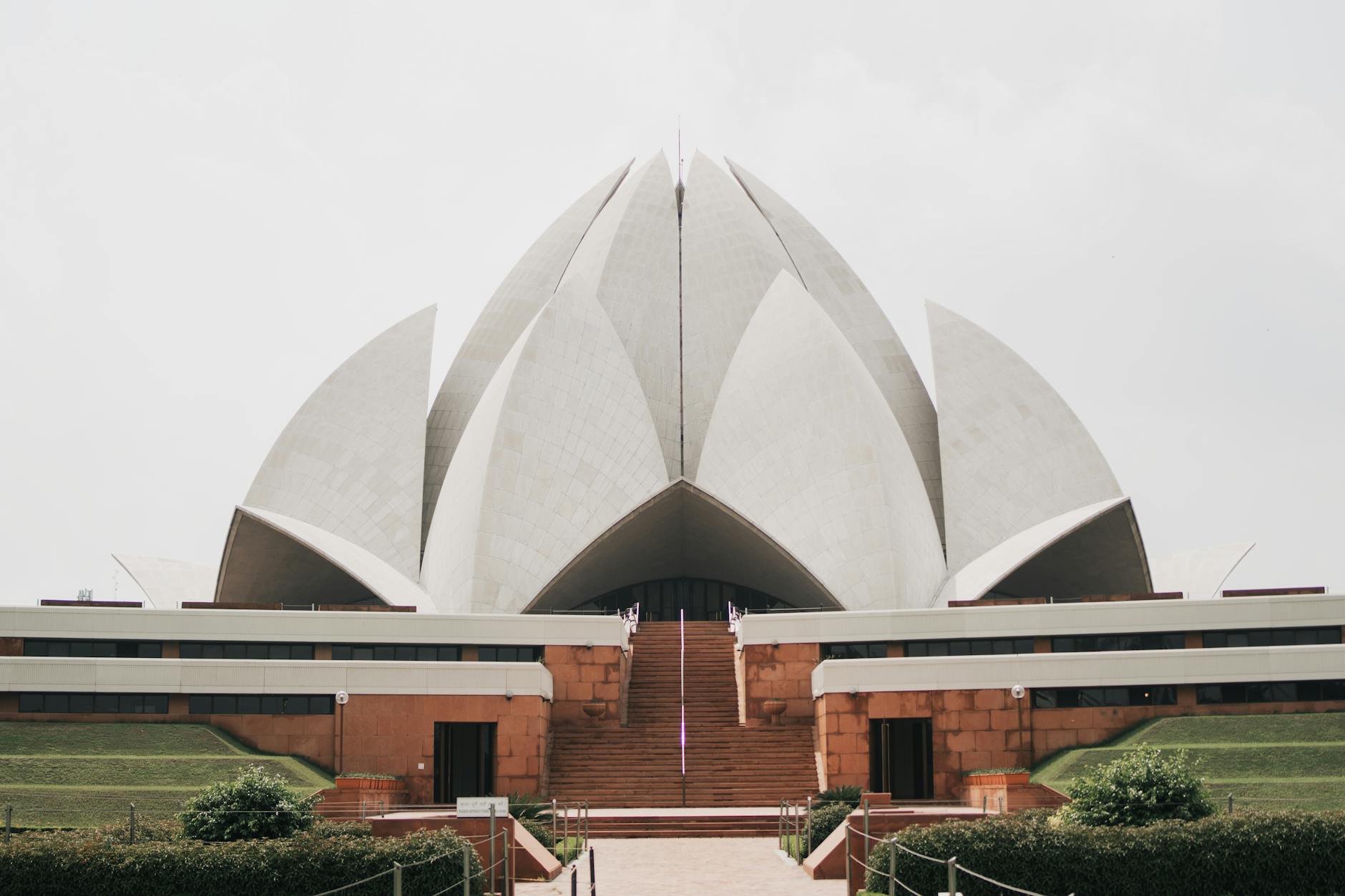
Baha'i

Abrahamic

Full tradition
In like manner, in every subsequent Revelation, the return of the former Revelation is a fact, the truth of which is firmly established.
Section: chunk 6/9

How this tradition expresses it

The text teaches the 'return' of the souls of the Prophets and their companions in subsequent dispensations, where the same spiritual qualities are manifested in new bodies.

Why this supports “One Life Only

This quote describes the Bahá'í doctrine of 'return' as it applies to successive divine Revelations—the recurrence of spiritual qualities and prophetic themes across dispensations. Bahá'u'lláh explicitly distinguishes this from individual soul reincarnation; the 'return' of a former Revelation means the reappearance of its spiritual attributes in a new Manifestation, not the rebirth of individual souls. In orthodox Bahá'í teaching, this passage reinforces the One Life Only position for individual humans by clarifying that 'return' operates at the level of divine qualities and prophetic stations, not personal souls.

Nuance

The text uses the metaphor of the rose to explain that while the form changes, the essence remains the same.

The auditor flagged this claim as ambiguous or weakly matching. See the scholarly note below for context.

Scholarly note

LLM council synthesis (round 2)

Explicit Teachinghigh confidenceAudit: Contested· 95%
Data provenance
Auditor
llm_council_v2
Audit confidence
95%
Audited
4/11/2026

Christianity

Abrahamic

Full tradition
He shall return no more to his house, neither shall his place know him any more.
18:007:010

How this tradition expresses it

The text suggests a singular life followed by death and the return to dust, without mention of reincarnation.

Why this supports “One Life Only

Job 7:10 emphasizes finality of death ('return no more'), representing a strand of biblical thought that coexists with—and historically is often interpreted as subordinate to—the central resurrection doctrine of NT, but reflects a legitimate alternative scriptural emphasis within the Christian canon.

Nuance

The text focuses on the finality of the grave for the individual.

The auditor flagged this claim as ambiguous or weakly matching. See the scholarly note below for context.

Scholarly note

Reclassification not needed; claim is correctly labeled. However, it should be explicitly recognized as a SECONDARY or MINORITY scriptural position that tension exists within the canon.

Direct Implicationhigh confidenceAudit: Contested· 80%
Data provenance
Auditor
comprehensive_cell_audit_v1
Audit confidence
80%
Audited
4/11/2026

Christianity (Swedenborgianism)

Abrahamic

Full tradition
te after death is according to his life in the world
Section 470

How this tradition expresses it

The text focuses on the transition from earthly life to an eternal state based on the life lived in the world.

Why this supports “One Life Only

Swedenborg's direct one-life-only doctrine - the one earthly life determines eternal state.

Nuance

The text does not mention reincarnation; it emphasizes that the life after death is the continuation of the life lived in the world.

Scholarly note

Direct: 'Man after death is such as his life had been'

Explicit Teachinghigh confidenceAudit: Strong· 92%
Data provenance
Auditor
claude-opus-4-6-1m
Audit confidence
92%
Audited
4/10/2026
it is impossible to believe that heaven and hell are from the human race when it is believed that no man can go there until the end of the world.
n. 312

How this tradition expresses it

The text rejects the idea of a single life followed by a final judgment, asserting instead that the inhabitants of heaven and hell are the result of human lives.

Why this supports “One Life Only

This passage is actually Swedenborg's argument against the resurrection-only doctrine, not for cyclical rebirth. Misclassified.

Nuance

The text addresses this as a correction to the erroneous belief that no one enters heaven or hell until the final judgment.

The auditor flagged this claim as misclassified. See the scholarly note below for context.

Scholarly note

This is Swedenborg ARGUING AGAINST rebirth - it says it's impossible to believe heaven/hell are populated by the human race if you think no one can go there until resurrection

Direct Implicationhigh confidenceAudit: Reclassify· 90%
Data provenance
Auditor
claude-opus-4-6-1m
Audit confidence
90%
Audited
4/10/2026
For everyone passing out of this world enters the other in the same state of life
Section 330

How this tradition expresses it

The text does not mention reincarnation into new earthly bodies, but describes the transition of the spirit into the afterlife.

Why this supports “One Life Only

Swedenborg's teaching that each person passes into the next world in the state acquired in this life is the textbook One Life Only doctrine - the same single life carries over directly.

The auditor flagged this claim as misclassified. See the scholarly note below for context.

Scholarly note

Each enters next world in same state - this is One Life Only not cyclical rebirth

Direct Implicationhigh confidenceAudit: Reclassify· 92%
Data provenance
Auditor
claude-opus-4-6-1m
Audit confidence
92%
Audited
4/10/2026

Judaism

Abrahamic

Full tradition
As they came out of their mother’s womb, so must they depart at last, naked as they came. They can take nothing of their wealth to carry with them.
Ecclesiastes 3:20

How this tradition expresses it

The text describes a singular cycle of life from dust to dust, with no mention of reincarnation, but rather a singular existence followed by death.

Why this supports “One Life Only

Ecclesiastes 5:15 reflects an earlier wisdom-literature perspective emphasizing the one-life span from birth to death. This view exists in biblical tradition but is superseded by later Rabbinic consensus affirming resurrection. Represents internal Jewish plurality rather than mainstream position.

Nuance

null

The auditor flagged this claim as ambiguous or weakly matching. See the scholarly note below for context.

Scholarly note

Claim is correctly labeled and rationed—Ecclesiastes 5:15 does teach a single life span. However, this claim now needs to be repositioned as supporting an ALTERNATIVE position (acknowledged dissent or pre-Talmudic view), not as primary evidence. The scholarly note should acknowledge that biblical wisdom literature and rabbinic sources are in tension on this point.

Direct Implicationhigh confidenceAudit: Contested· 80%
Data provenance
Auditor
comprehensive_cell_audit_v1
Audit confidence
80%
Audited
4/11/2026

Mormonism/LDS

Abrahamic

Full tradition
men are free to not be acted upon save by punishment at last d.
2 Ne. 2:26

How this tradition expresses it

The text focuses on a single mortal life followed by a state of being between death and resurrection, rather than cyclical rebirth.

Why this supports “One Life Only

2 Nephi: agency and final punishment, fits the one-life framework but not directly.

Nuance

The text addresses the 'temporal body' and the 'spirit' in the context of a single life and subsequent judgment.

The auditor flagged this claim as ambiguous or weakly matching. See the scholarly note below for context.

Scholarly note

Free will and final punishment

Direct Implicationmedium confidenceAudit: Weak match· 70%
Data provenance
Auditor
claude-opus-4-6-1m
Audit confidence
70%
Audited
4/10/2026

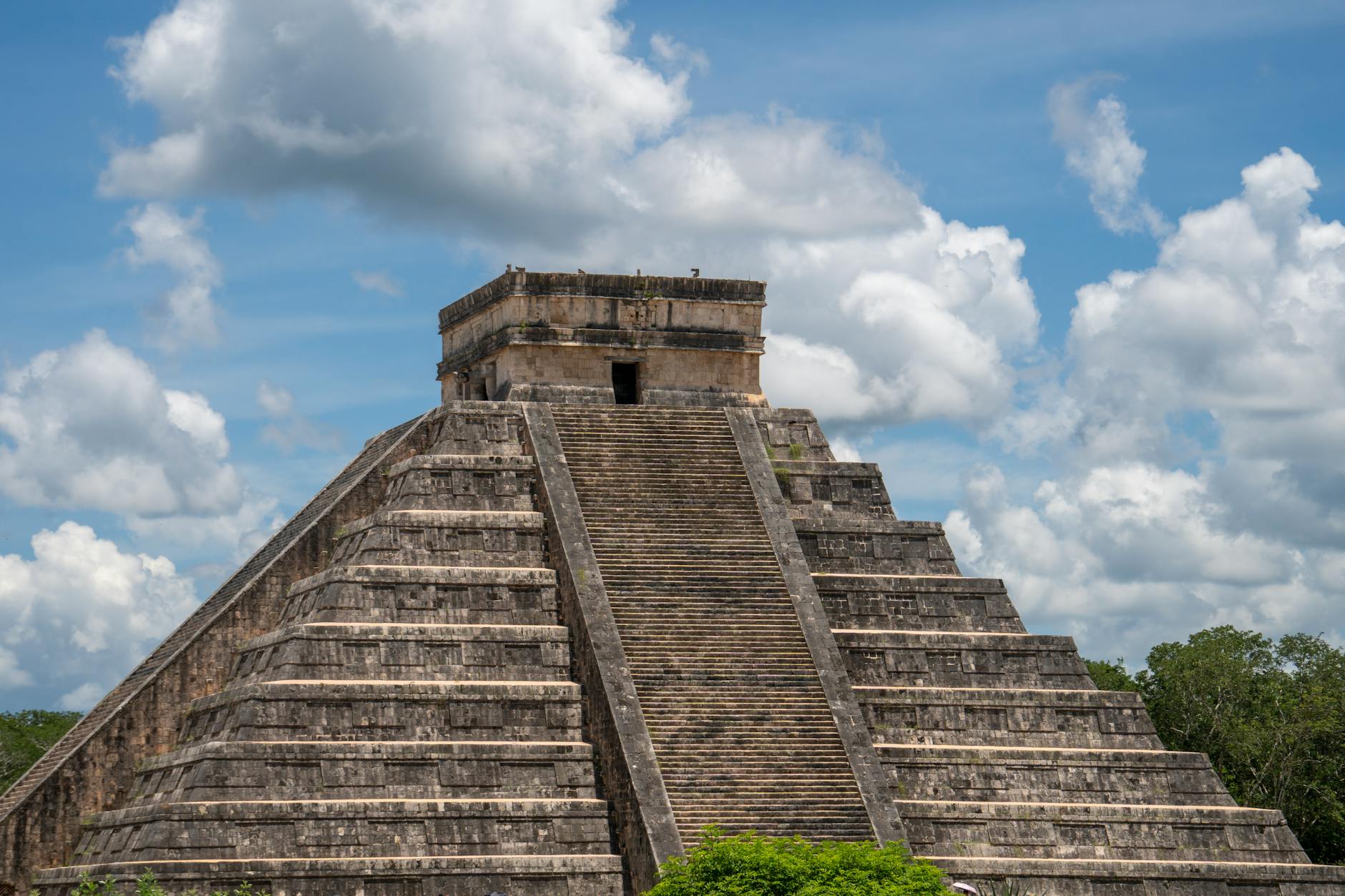
Aztec/Mesoamerican

African/Egyptian/Mesoamerican

Full tradition

Indigenous Australian

Indigenous Australian

Full tradition
S. each one still inhabits the same spot in sjjirit form where, in the Alcheringa, he went down into the earth, but he never undergoes reincarnat
Section: chunk 21/42

How this tradition expresses it

Certain spirits, specifically the Onincja, inhabit a specific spot in spirit form and do not undergo reincarnation.

Why this supports “One Life Only

Aboriginal: some traditions hold the spirit remains in its spot rather than being reborn.

Scholarly note

Each spirit inhabits one spot, never reborn

Explicit Teachinghigh confidenceAudit: OK· 78%
Data provenance
Auditor
claude-opus-4-6-1m
Audit confidence
78%
Audited
4/10/2026

Other answers to this question

NoeticMap Guide

Research Dashboard

How can I help?

Ask about NDEs, research, or this page

Responses may not always be accurate