Q2 · Body Relationship

Illusory Body

7of 53 traditions hold this positionPreliminary3 cultural clusters

What does “Body is illusory” mean?

The physical body is maya/illusion; only consciousness is real

Advaita Vedanta and some Buddhist schools teach that the physical body, like all of conditioned reality, is ultimately unreal - maya, illusion, dream. Only consciousness has reality. The body is not an evil or a temple; it is a phantom.

Examples across traditions

  • Hinduism (Advaita): body as part of maya
  • Buddhism: body as dependently arisen and empty of inherent existence
  • Taoism: Zhuangzi's great dream

How this differs from neighboring positions

  • vs. Temple: Illusion dismisses the body; temple sanctifies it
  • vs. Integrated Unity: Illusion denies the body's reality; unity affirms it

Traditions articulating this position

Taoism

East Asian

Full tradition
By and by comes the Great Awakening, and then we find out that this life is really a great dream.
Section: chunk 3/21

How this tradition expresses it

The physical world and the individual's existence are compared to a dream, suggesting the material reality is not the ultimate truth.

Why this supports “Illusory Body

Zhuangzi's famous Great Awakening - life as dream, body as dream-form. Paradigmatic Illusory Body.

Nuance

The text posits that the 'Great Awakening' reveals this life to be a dream.

The auditor flagged this claim as ambiguous or weakly matching. See the scholarly note below for context.

Scholarly note

Retain as Illusory Body; add to alternatives in primary position mapping since extractor supports this reading

Direct Implicationhigh confidenceAudit: Contested· 80%
Data provenance
Auditor
comprehensive_cell_audit_v1
Audit confidence
80%
Audited
4/11/2026
Its body is like a dry branch; its heart like dead ashes. Thus, good and evil fortune find no lodgment therein; and there where good and evil fortune are not, how can the troubles of mortality be?
Section: chunk 14/21

How this tradition expresses it

The physical body and the troubles of mortality are seen as transient states that can be transcended through spiritual repose.

Why this supports “Illusory Body

Zhuangzi on the sage with body and mind beyond dual perception.

Nuance

The text suggests that when the heart is in repose, the troubles of mortality cannot find lodgment.

Scholarly note

Body as dry branch, heart as dead ashes

Direct Implicationmedium confidenceAudit: OK· 78%
Data provenance
Auditor
claude-opus-4-6-1m
Audit confidence
78%
Audited
4/10/2026

Buddhism

South Asian

Full tradition
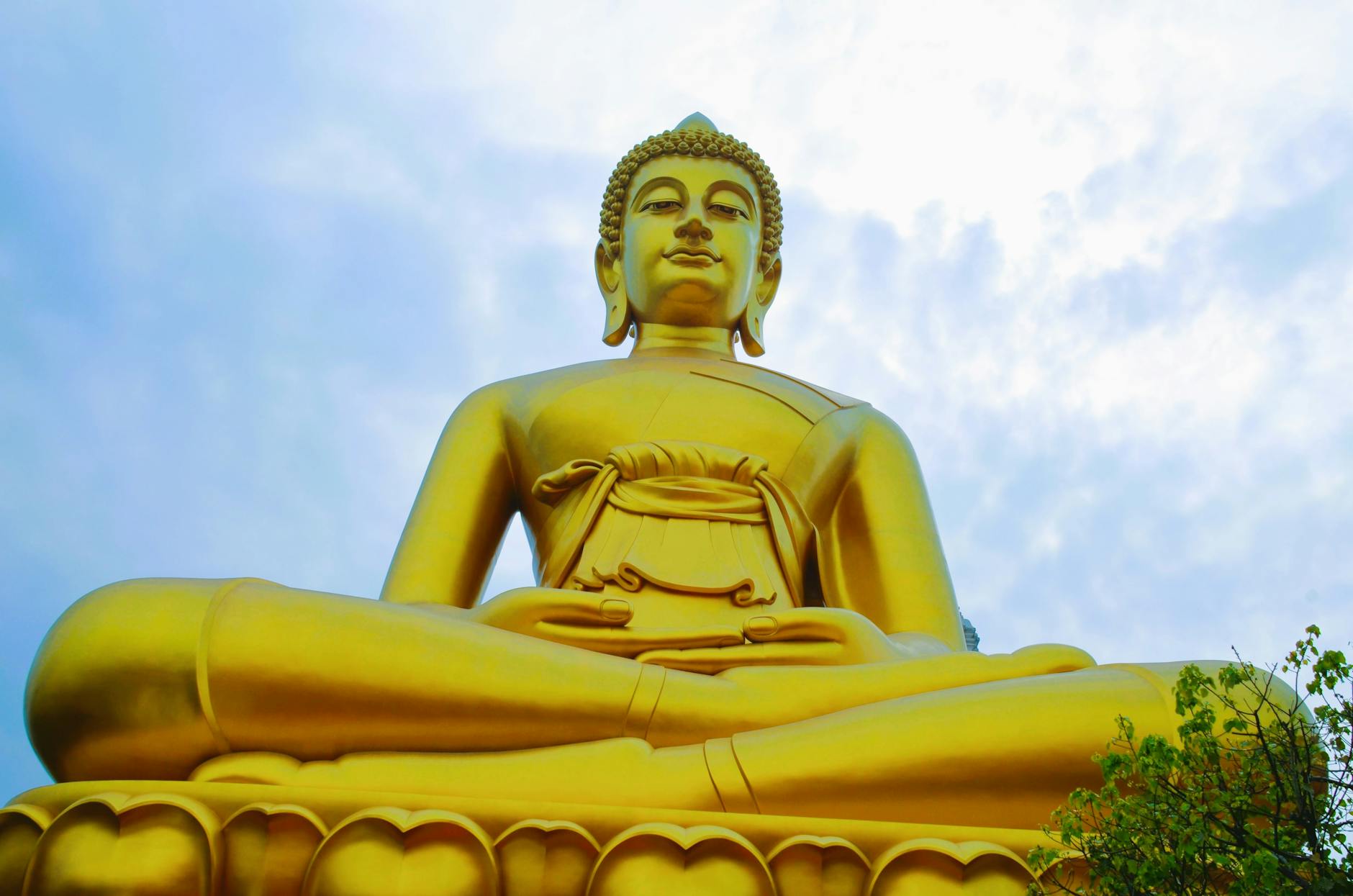
daya). ‘But as the beings of this class do not know that the Body of Transformation is merely the shadow [or reflection] of their own evolving-consciousness (pravritti-vijndna), they imagine that it comes from some external so
Section IV, Introduction

How this tradition expresses it

The Body of Transformation is understood by common beings as a corporeal reality, but it is actually merely a reflection of evolving consciousness.

Why this supports “Illusory Body

The text explicitly describes the Body of Transformation as 'merely the shadow/reflection of their own evolving-consciousness,' identifying the perceived body as a mind-projected, non-substantial appearance. This directly supports Illusory Body: embodied form is a consciousness-dependent illusion without independent ontological status.

The auditor flagged this claim as ambiguous or weakly matching. See the scholarly note below for context.

Scholarly note

LLM council synthesis (round 2)

Explicit Teachinghigh confidenceAudit: Contested· 95%
Data provenance
Auditor
llm_council_v2
Audit confidence
95%
Audited
4/11/2026
This body, [born] of desire, is a thought-form hallucination in the Intermediate State, and it is called desire-body.
page 157

How this tradition expresses it

In the Bardo, the consciousness-principle inhabits a 'desire-body' or 'radiant body' which is a thought-form hallucination but possesses sense-faculties and supernormal powers.

Why this supports “Illusory Body

The text explicitly identifies the bardo body as a 'thought-form hallucination' born of desire. This is a paradigmatic statement of the Illusory Body position: the body is a mind-created appearance without independent substance, directly reflecting Buddhist teaching on the insubstantiality of form.

Nuance

This body is not made of gross matter and is described as a 'thought-form hallucination in the Intermediate State'.

The auditor flagged this claim as ambiguous or weakly matching. See the scholarly note below for context.

Scholarly note

LLM council synthesis (round 2)

Explicit Teachinghigh confidenceAudit: Contested· 95%
Data provenance
Auditor
llm_council_v2
Audit confidence
95%
Audited
4/11/2026
The hour hath come to part with this body composed of flesh and blood; May I know the body to be impermanent and illusory.
Section: Prayer for Right-Knowledge

How this tradition expresses it

The physical body is viewed as an impermanent and illusory vessel that is eventually left behind during the transition of death.

Why this supports “Illusory Body

The practitioner is instructed to 'know the body to be impermanent and illusory,' directly characterizing physical form as a transient, non-substantial appearance. This is a clear doctrinal statement supporting Illusory Body: the body lacks inherent reality and is to be recognized as such.

Nuance

The transition involves parting from the 'body composed of flesh and blood'.

The auditor flagged this claim as ambiguous or weakly matching. See the scholarly note below for context.

Scholarly note

LLM council synthesis (round 2)

Explicit Teachinghigh confidenceAudit: Contested· 95%
Data provenance
Auditor
llm_council_v2
Audit confidence
95%
Audited
4/11/2026

Hinduism

South Asian

Full tradition
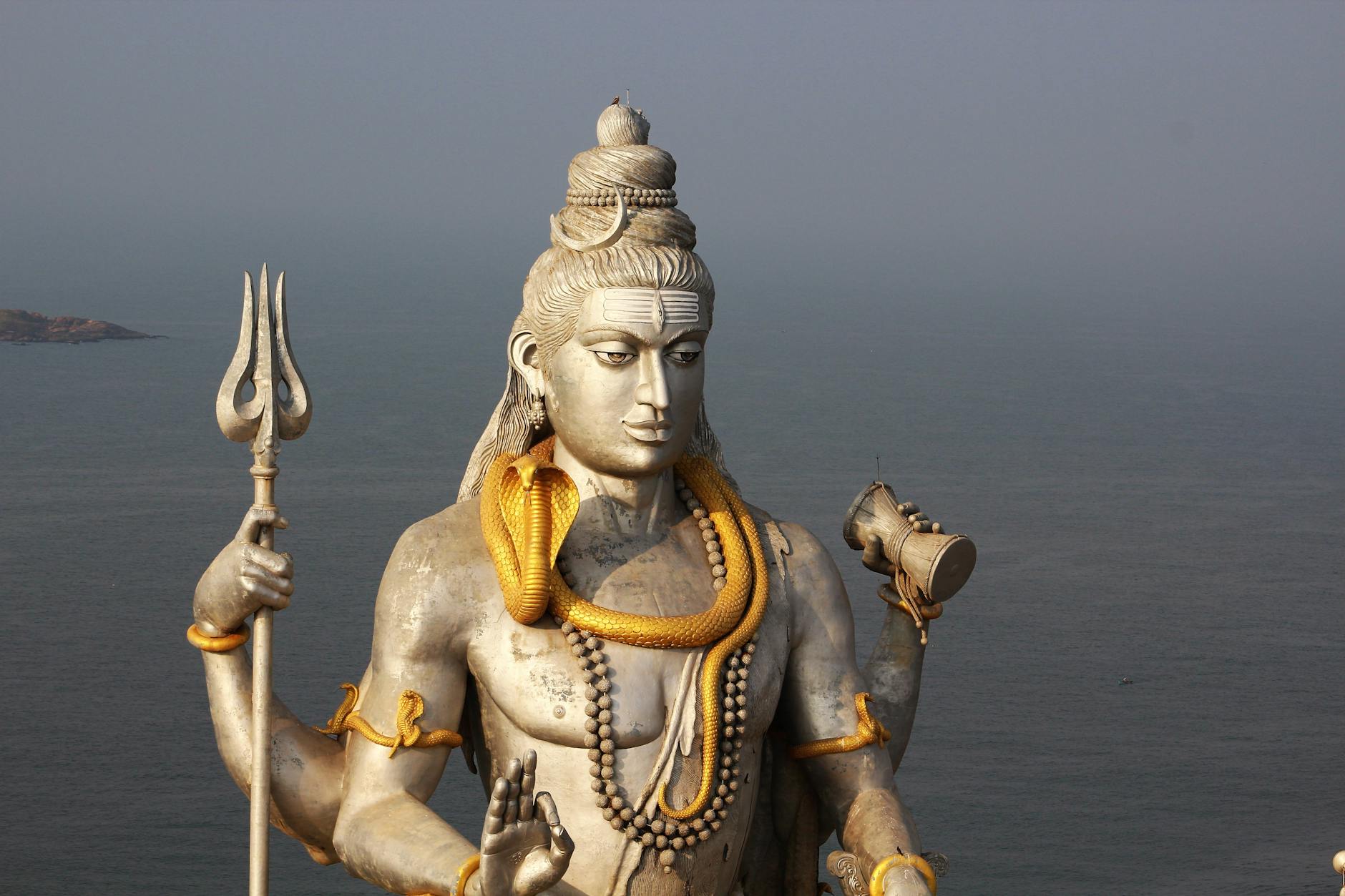
the body is only a dream, what then of other persons’?
Chapter XI, verse 9-11

How this tradition expresses it

The physical body is described as a transient, dream-like entity rather than a permanent reality.

Why this supports “Illusory Body

Hindu Advaita teaching that the body is dream-like - direct Illusory Body framework.

The auditor flagged this claim as ambiguous or weakly matching. See the scholarly note below for context.

Scholarly note

Claim is correctly labeled Illusory Body in the label field but was being treated as supporting VEHICLE primary position. This claim should count as evidence for an alternative position.

Explicit Teachinghigh confidenceAudit: Contested· 80%
Data provenance
Auditor
comprehensive_cell_audit_v1
Audit confidence
80%
Audited
4/11/2026

Sikhism

South Asian

Full tradition
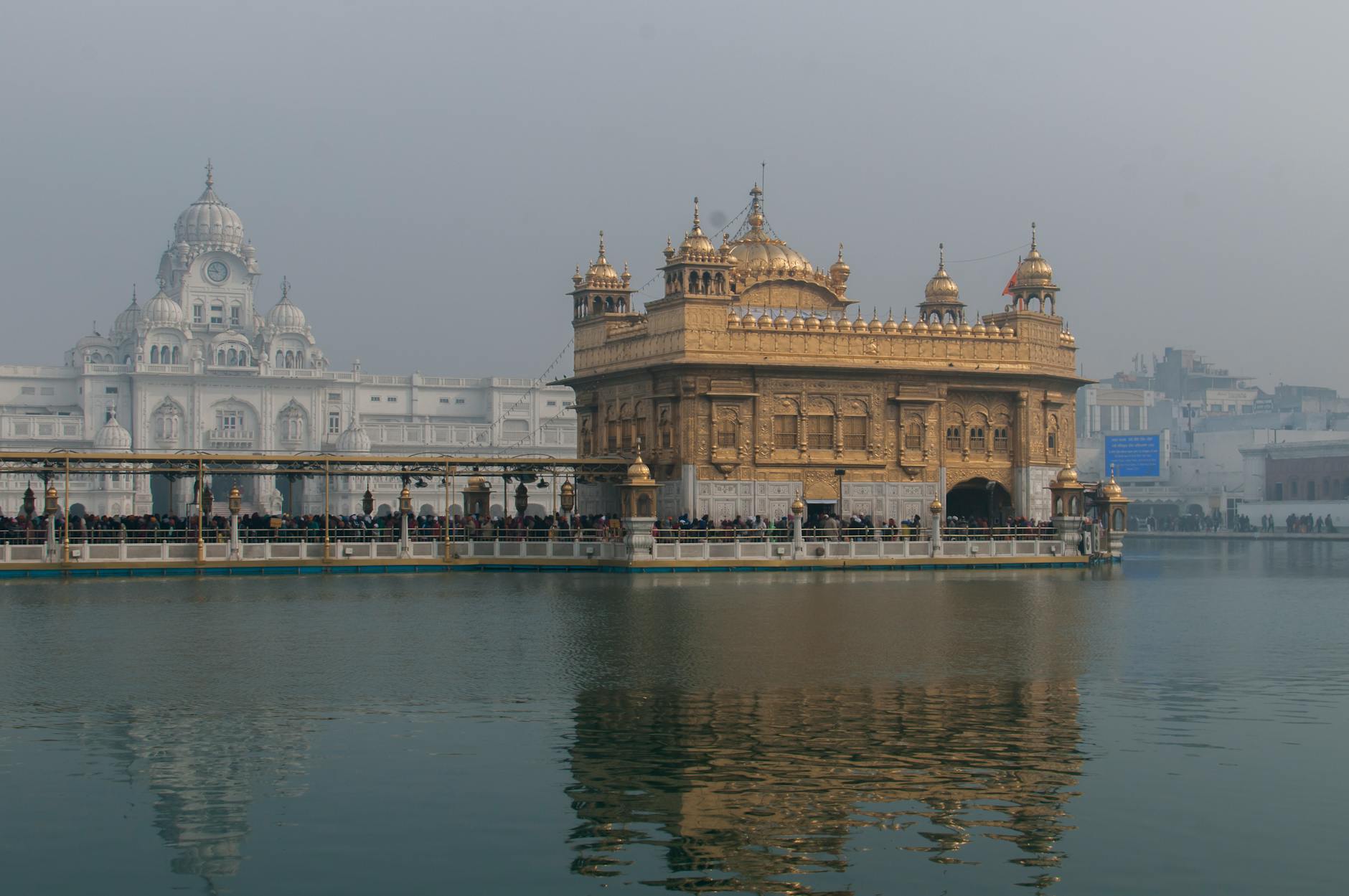
hat merit lies in man’s physique and wealth ? These keep Ising on earth, not going beyond.
Composition of the Venerable Kabir (Quintets), verse 15

How this tradition expresses it

The physical body and its wealth are transient and ultimately meaningless compared to the eternal reality of God.

Why this supports “Illusory Body

Sikh teaching that body and worldly things have no merit - bodily existence as transient/unreal.

Nuance

The body is subject to destruction (fire, earth, etc.), whereas the realization of the self is the true goal.

Scholarly note

Body and wealth lying on earth

Explicit Teachinghigh confidenceAudit: OK· 78%
Data provenance
Auditor
claude-opus-4-6-1m
Audit confidence
78%
Audited
4/10/2026
Be realization of the body's perishable nature? the belly-danee— In such. joy with measured steps dance.
Section (2), verse 3

How this tradition expresses it

The physical body is perishable and subject to decay, serving as a temporary vessel.

Why this supports “Illusory Body

Sikh teaching of body as perishable.

Scholarly note

Realization of body's perishable nature

Explicit Teachinghigh confidenceAudit: OK· 78%
Data provenance
Auditor
claude-opus-4-6-1m
Audit confidence
78%
Audited
4/10/2026
This created world is a mighty picture : Leaving aside the picture, the Painter contemplate.
Chaccha rachit chitra hai bhari (12)

How this tradition expresses it

The physical body and the material world are seen as a 'picture' or a 'mirage' that can distract from the ultimate reality of the Creator.

Why this supports “Illusory Body

Sikh teaching of the world as a 'picture' - illusory framing.

Nuance

The text emphasizes looking past the 'picture' to the 'Painter'.

Scholarly note

Created world is mighty picture

Direct Implicationhigh confidenceAudit: OK· 78%
Data provenance
Auditor
claude-opus-4-6-1m
Audit confidence
78%
Audited
4/10/2026

Gnosticism

Western Esoteric

Full tradition
. Yaldabaoth modeled his creation On the pattern of the original realms above him So that it might be just like the indestructible realms. [
The Fashioning of This World

How this tradition expresses it

The material world and its rulers are modeled on higher realms but are fundamentally flawed, 'misshapen,' and born of ignorance.

Why this supports “Illusory Body

Apocryphon of John: the material world as imitation/counterfeit of true reality.

Scholarly note

Yaldabaoth modeled creation on higher patterns

Direct Implicationhigh confidenceAudit: OK· 78%
Data provenance
Auditor
claude-opus-4-6-1m
Audit confidence
78%
Audited
4/10/2026
Indeed, I am amazed at how this great wealth has made its home in this poverty.
Verse 29

How this tradition expresses it

The relationship between spirit and body is one of profound disparity, where the body is often seen as a source of poverty or emptiness.

Why this supports “Illusory Body

Gospel of Truth's image of treasure in poverty - loose connection to body as illusory container.

The auditor flagged this claim as ambiguous or weakly matching. See the scholarly note below for context.

Scholarly note

Wealth in poverty - body imagery indirect

Direct Implicationmedium confidenceAudit: Weak match· 70%
Data provenance
Auditor
claude-opus-4-6-1m
Audit confidence
70%
Audited
4/10/2026

Orphism

Western Esoteric

Full tradition
ossess real being; and is like the image of a lofty tree seen in a rapid torrent, which has the appearance of a tree without the real
Page 33

How this tradition expresses it

The corporeal world is described as having an appearance of reality without possessing real being, likened to an image in a stream.

Why this supports “Illusory Body

The comparison of the corporeal world to a reflected image in a torrent—having 'the appearance of a tree without the reality'—directly supports an Illusory Body framework where material existence is ontologically derivative and lacking true substance.

Nuance

The text notes the corporeal world is in a continual state of flowing and formation, preventing it from possessing real being.

The auditor flagged this claim as ambiguous or weakly matching. See the scholarly note below for context.

Scholarly note

LLM council synthesis (round 2)

Explicit Teachinghigh confidenceAudit: Contested· 95%
Data provenance
Auditor
llm_council_v2
Audit confidence
95%
Audited
4/11/2026

Other answers to this question

NoeticMap Guide

Research Dashboard

How can I help?

Ask about NDEs, research, or this page

Responses may not always be accurate