Q2 · Body Relationship

Temple

2of 53 traditions hold this positionInsufficient data1 cultural clusters

What does “Body as sacred temple” mean?

The body is sacred, a dwelling place for the divine

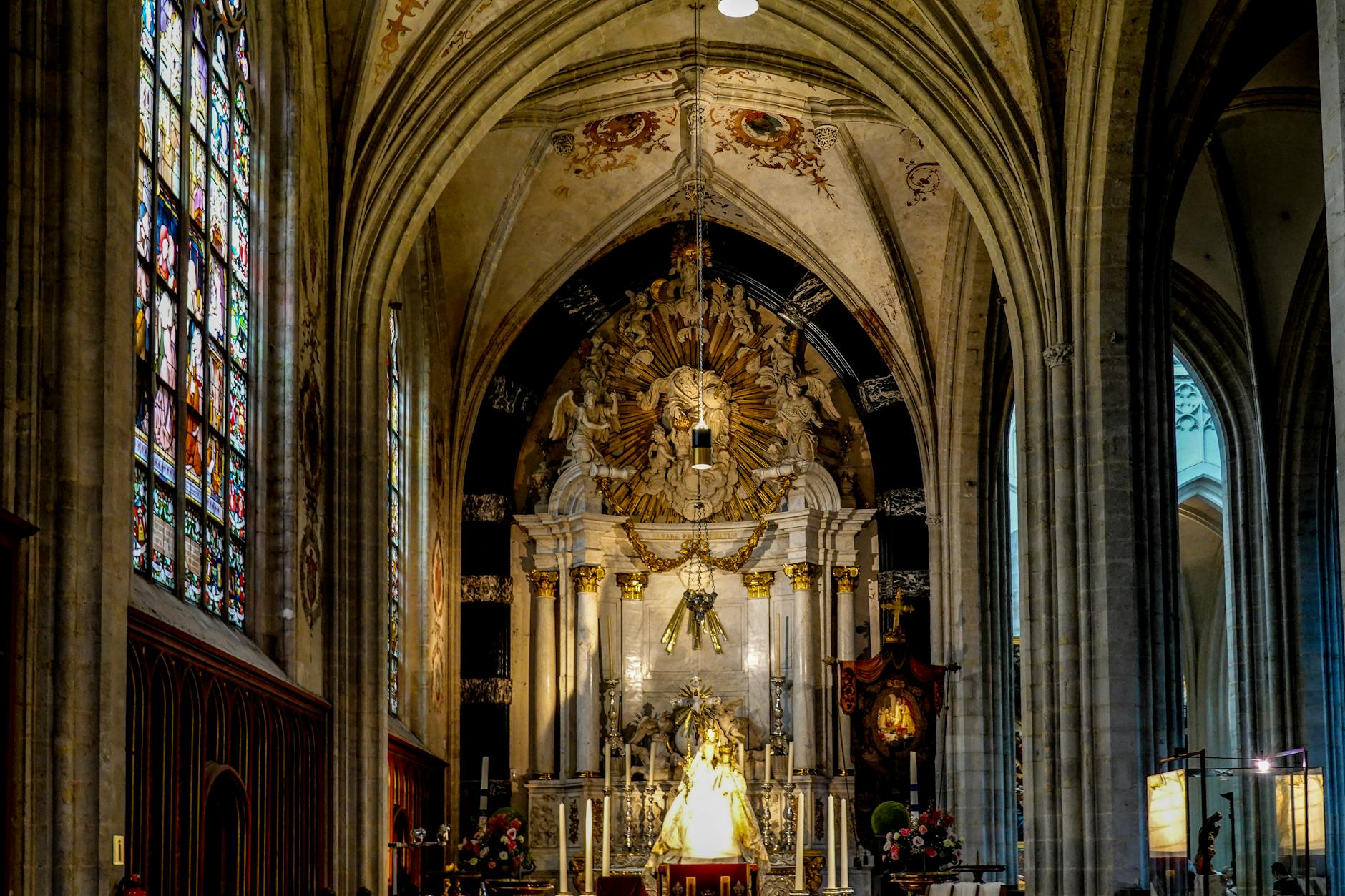
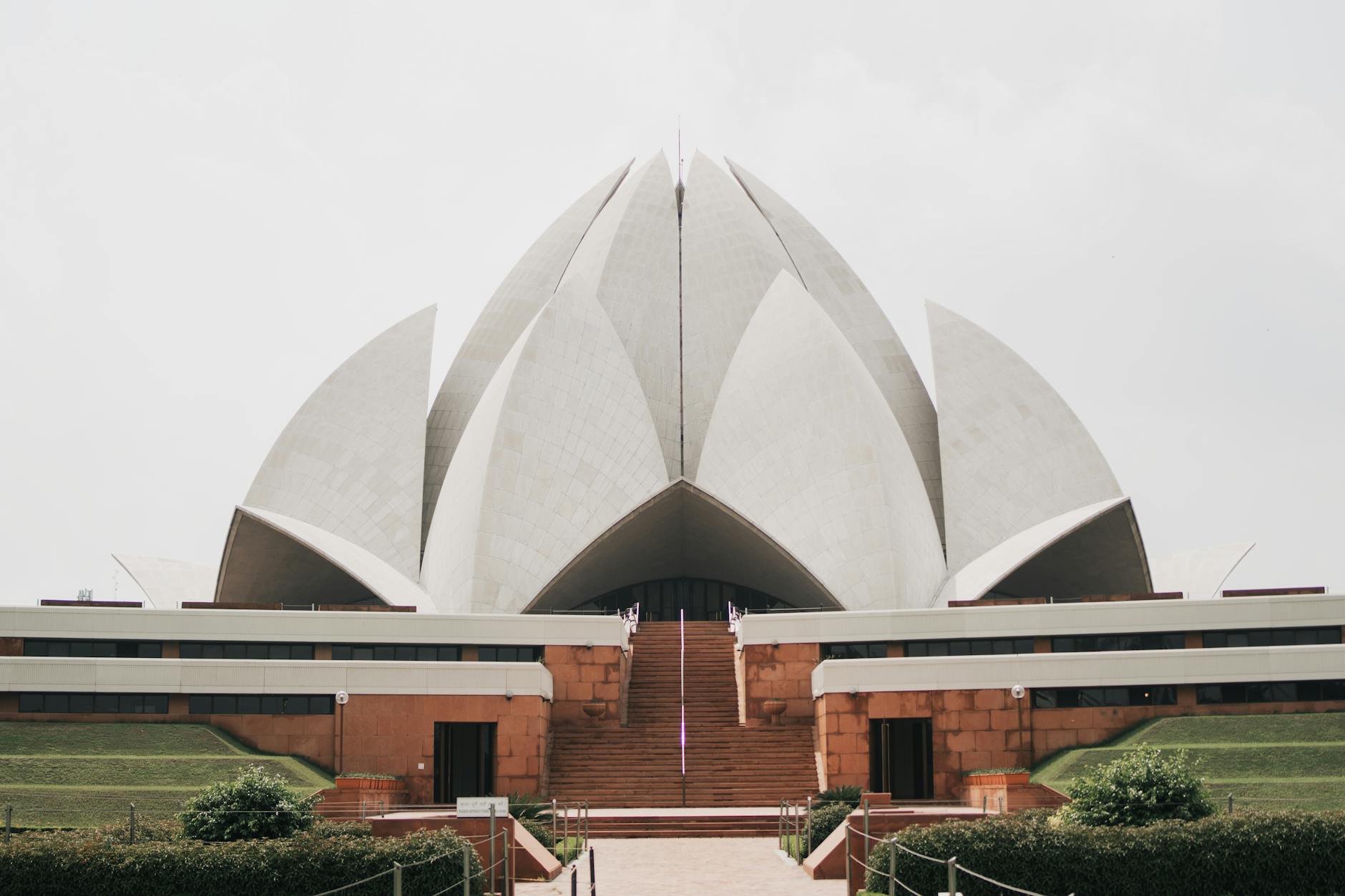
Christian theology of the body as temple of the Holy Spirit (1 Cor 6:19), and similar Baha'i and Hindu tantric teachings: the body is not an obstacle but a sanctuary. To honor and care for the body is part of honoring God.

Examples across traditions

  • Christianity: your body is the temple of the Holy Spirit
  • Baha'i: human temple as bearer of divine names

How this differs from neighboring positions

  • vs. Prisoner: Direct opposites - sacred vs degraded
  • vs. Illusory Body: Temple takes the body seriously; illusion dismisses it

Traditions articulating this position

Baha'i

Abrahamic

Full tradition
the divine Beauty will be made manifest from the heaven of the will of God, and will appear in the form of the human temple.
Kitab-i-Iqan, Section: chunk 3/9

How this tradition expresses it

The human body serves as a temporary vessel or 'temple' for the divine spirit, though it is subject to earthly limitations.

Why this supports “Temple

Baha'i: divine manifestation appears in and inhabits the human temple—body as sacred consecrated form.

Nuance

The text notes that while the spirit is eternal/divine, it manifests through the 'human temple'.

The auditor flagged this claim as ambiguous or weakly matching. See the scholarly note below for context.

Scholarly note

Quote explicitly states 'human temple'; metaphor is sacred receptacle, not instrumental vehicle.

Explicit Teachinghigh confidenceAudit: Contested· 80%
Data provenance
Auditor
comprehensive_cell_audit_v1
Audit confidence
80%
Audited
4/11/2026
those luminous Gems of Holiness to appear out of the realm of the spirit, in the noble form of the human temple, and be made manifest unto all men
baha'i_808

How this tradition expresses it

The human form serves as a 'temple' or 'mirror' through which the light of the divine can be manifested and communicated to the world.

Why this supports “Temple

Baha'i: divine manifested in human temple - body as sacred receptacle.

Nuance

The physical form is a vessel for the spiritual reality of the soul and the attributes of God.

Scholarly note

Luminous Gems in human temple

Direct Implicationhigh confidenceAudit: Strong· 88%
Data provenance
Auditor
claude-opus-4-6-1m
Audit confidence
88%
Audited
4/10/2026
Upon the reality of man, however, He hath focused the radiance of all of His names and attributes, and made it a mirror of His own Self.
Section XXVIII

How this tradition expresses it

The human reality is a mirror intended to reflect the divine attributes, though it is subject to the limitations of the physical world.

Why this supports “Temple

Baha'i: human body/form serves as a mirror and sacred receptacle for divine attributes.

Nuance

The spiritual reality is the true essence, while the physical is the material aspect.

The auditor flagged this claim as ambiguous or weakly matching. See the scholarly note below for context.

Scholarly note

Quote describes body as 'mirror' of divine Self—a sacred container reflecting the divine, not a transient instrument.

Direct Implicationhigh confidenceAudit: Contested· 80%
Data provenance
Auditor
comprehensive_cell_audit_v1
Audit confidence
80%
Audited
4/11/2026

Christianity

Abrahamic

Full tradition
know ye not that your body is the temple of the Holy Ghost which is in you, which ye have of God, and ye are not your own?
1 Corinthians 6:19

How this tradition expresses it

The human body is described as the temple of the Holy Ghost, belonging to God rather than the individual.

Why this supports “Temple

1 Cor 6:19 - canonical Christian TEMPLE position. Direct verbatim match.

Scholarly note

Direct: 'body is the temple of the Holy Ghost'

Explicit Teachinghigh confidenceAudit: Strong· 96%
Data provenance
Auditor
claude-opus-4-6-1m
Audit confidence
96%
Audited
4/10/2026
For we that are in this tabernacle do groan, being burdened: not for that we would be unclothed, but clothed upon, that mortality might be swallowed up of life.
47:005:004

How this tradition expresses it

The physical body is described as a temporary tabernacle or earthly house that the soul inhabits, which is subject to dissolution.

Why this supports “Temple

2 Cor 5:1–5 employs 'tabernacle' (sacred tent/dwelling) language for the body, emphasizing its temporary earthly state. However, the passage promises eschatological *transformation* and glorification of the body, not its abandonment. This supports TEMPLE (body as sacred dwelling for Spirit) and ultimately Integrated Unity (body-person transformation, not dualistic escape). The groaning reflects burdens of mortality and sin, not proof of essential separation.

Nuance

The text suggests the body is a temporary dwelling to be replaced by an eternal one.

The auditor flagged this claim as ambiguous or weakly matching. See the scholarly note below for context.

Scholarly note

2 Cor 5:1–5 uses 'tabernacle' (sacred dwelling) language and emphasizes eschatological *transformation* (not abandonment) of the body—compatible with sacred indwelling (TEMPLE) and ultimate integration, not dualistic VEHICLE. The 'groaning' reflects tension with sin and mortality, not proof of instrumental dualism.

Direct Implicationhigh confidenceAudit: Contested· 80%
Data provenance
Auditor
comprehensive_cell_audit_v1
Audit confidence
80%
Audited
4/11/2026

Other answers to this question

NoeticMap Guide

Research Dashboard

How can I help?

Ask about NDEs, research, or this page

Responses may not always be accurate